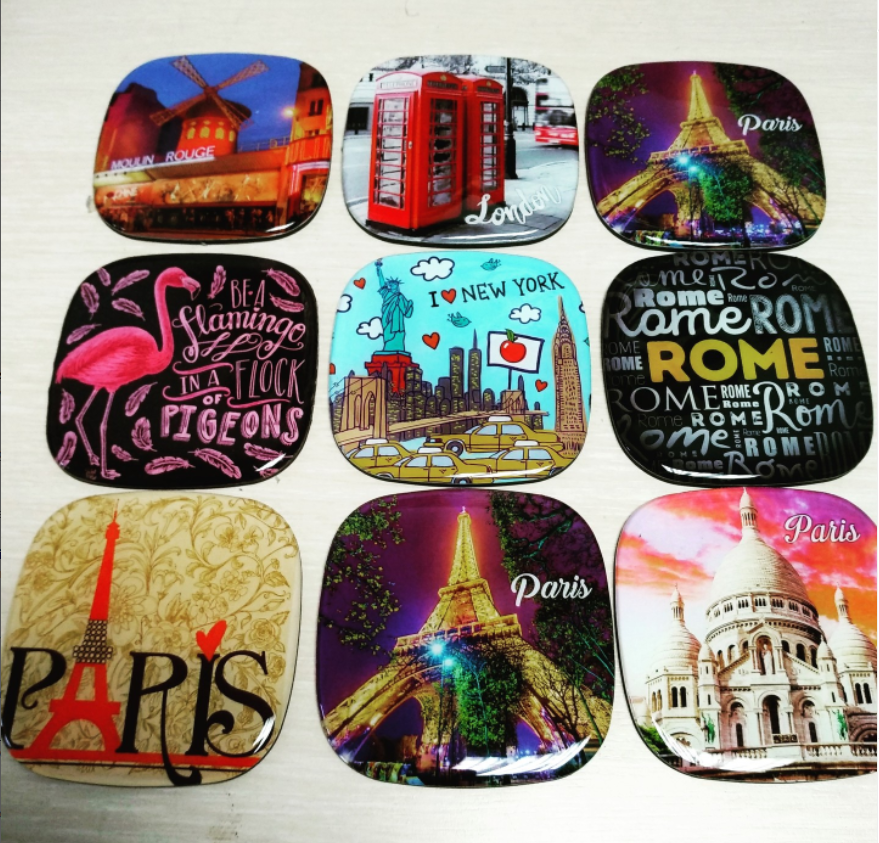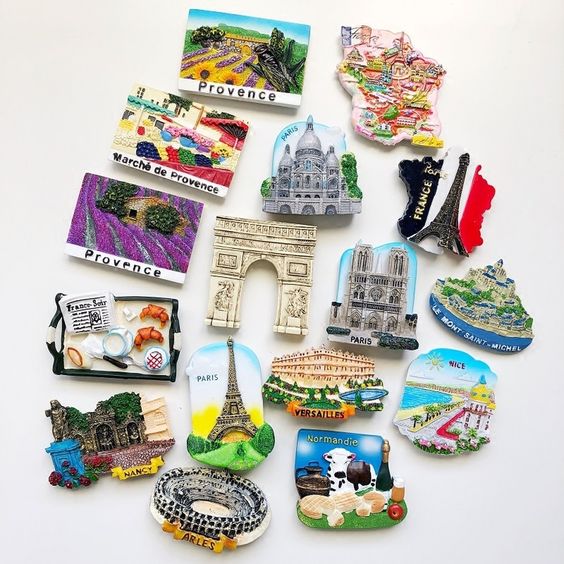
Tourism souvenirs are far more than simple keepsakes.
For travelers, they represent memories, experiences, and emotional connections to a destination. For gift shops, museums, aquariums, national parks, and tourism attractions, souvenirs are an important source of revenue and a powerful branding tool.
Yet despite their popularity, many souvenir programs fail to achieve their full sales potential.
The reason is surprisingly simple.
Many souvenirs are designed from the perspective of the seller rather than the traveler.
Successful souvenir products are not created by asking, “What do we want to sell?”
They are created by asking, “What do visitors want to remember?”
This guide explores the principles of successful tourist souvenir design, common mistakes buyers make, and practical strategies used by leading souvenir retailers worldwide to develop products that increase customer engagement, improve retail performance, and strengthen destination branding.
Why Souvenir Design Matters More Than Ever
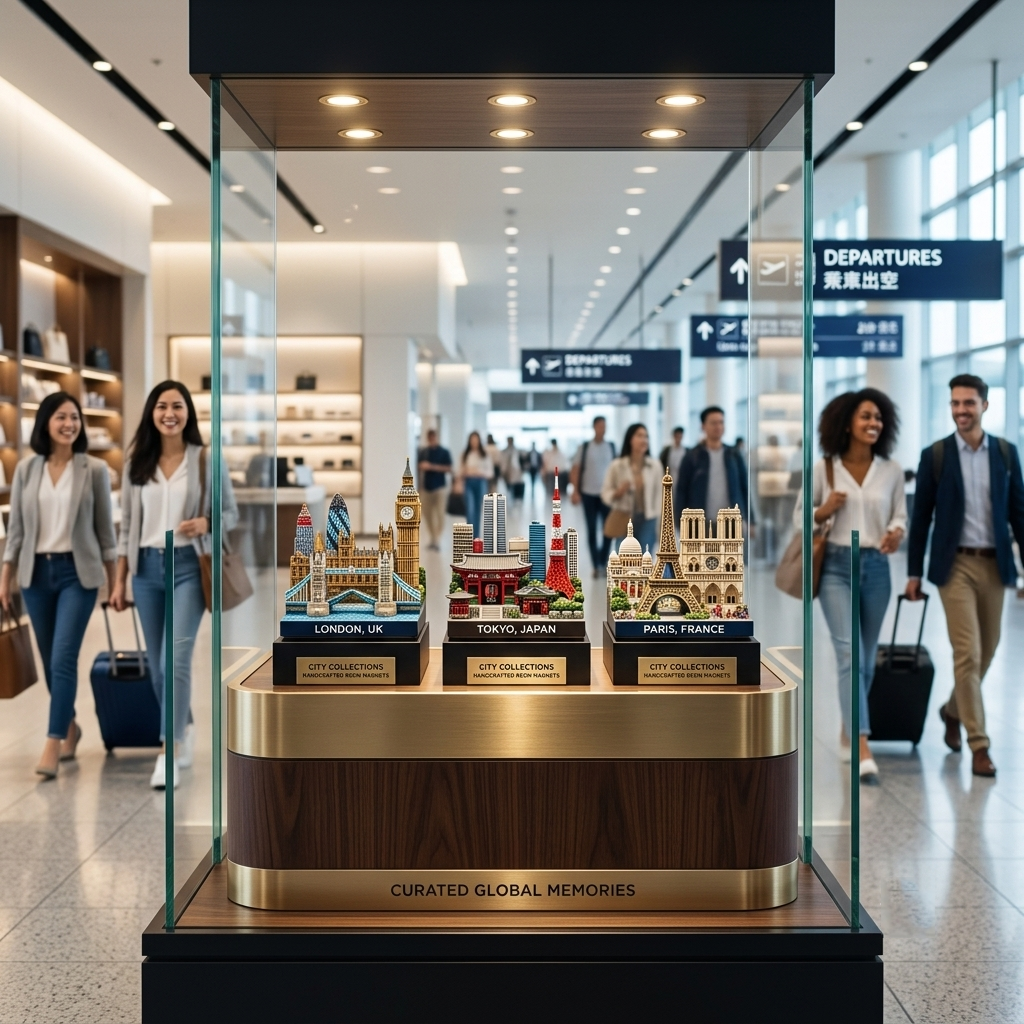
The global travel industry continues to evolve. Today’s travelers have more purchasing options than ever before.
Visitors can purchase products online before arriving at a destination. They can buy branded merchandise through e-commerce platforms. They can even collect digital experiences through social media.
As a result, physical souvenirs must offer something unique.
A successful souvenir should accomplish three goals:
- Capture the identity of a destination.
- Trigger emotional memories.
- Encourage immediate purchase decisions.
When these three elements work together, souvenirs become more than products. They become part of the visitor experience.
Gift shops that focus on thoughtful souvenir product development often report stronger repeat purchases, higher average transaction values, and improved customer satisfaction.
Understanding the Psychology Behind Souvenir Purchases
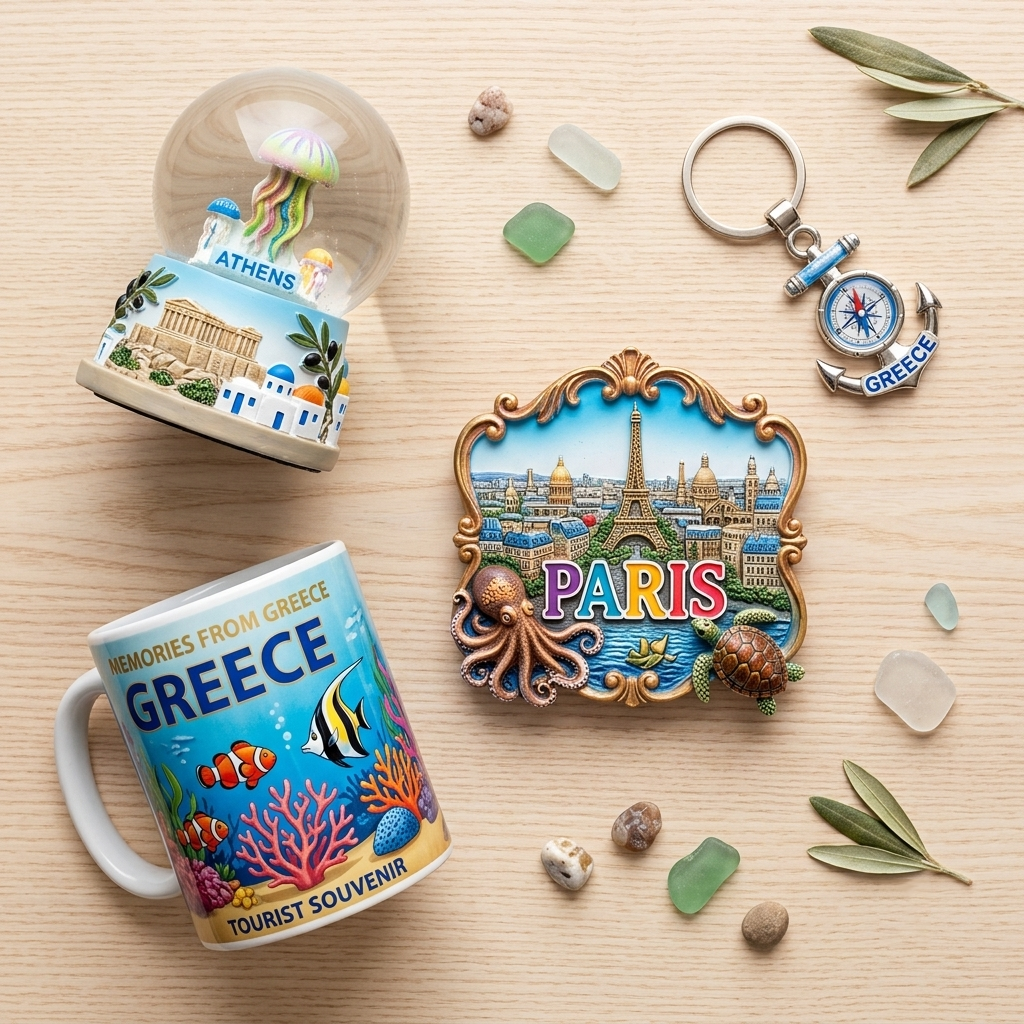
Many buyers focus heavily on product specifications, materials, and pricing.
While these factors are important, customer psychology often has a greater influence on purchasing decisions.
Travelers rarely purchase souvenirs because they need them.
They purchase them because they want to preserve a memory.
Research across tourism retail environments consistently shows that emotional connection plays a major role in souvenir purchasing behavior.
The strongest-performing souvenir products typically reflect one or more of the following:
- Local culture
- Famous landmarks
- Wildlife
- Historical significance
- Unique regional identity
- Personal travel experiences
For example, a visitor to a coastal destination may feel a stronger connection to a magnet featuring local marine life than to a generic logo product.
Likewise, a national park visitor is more likely to purchase a souvenir featuring iconic wildlife or landscapes than a simple text-based design.
The lesson is clear.
Emotion sells better than information.
The Most Popular Types of Tourist Souvenirs
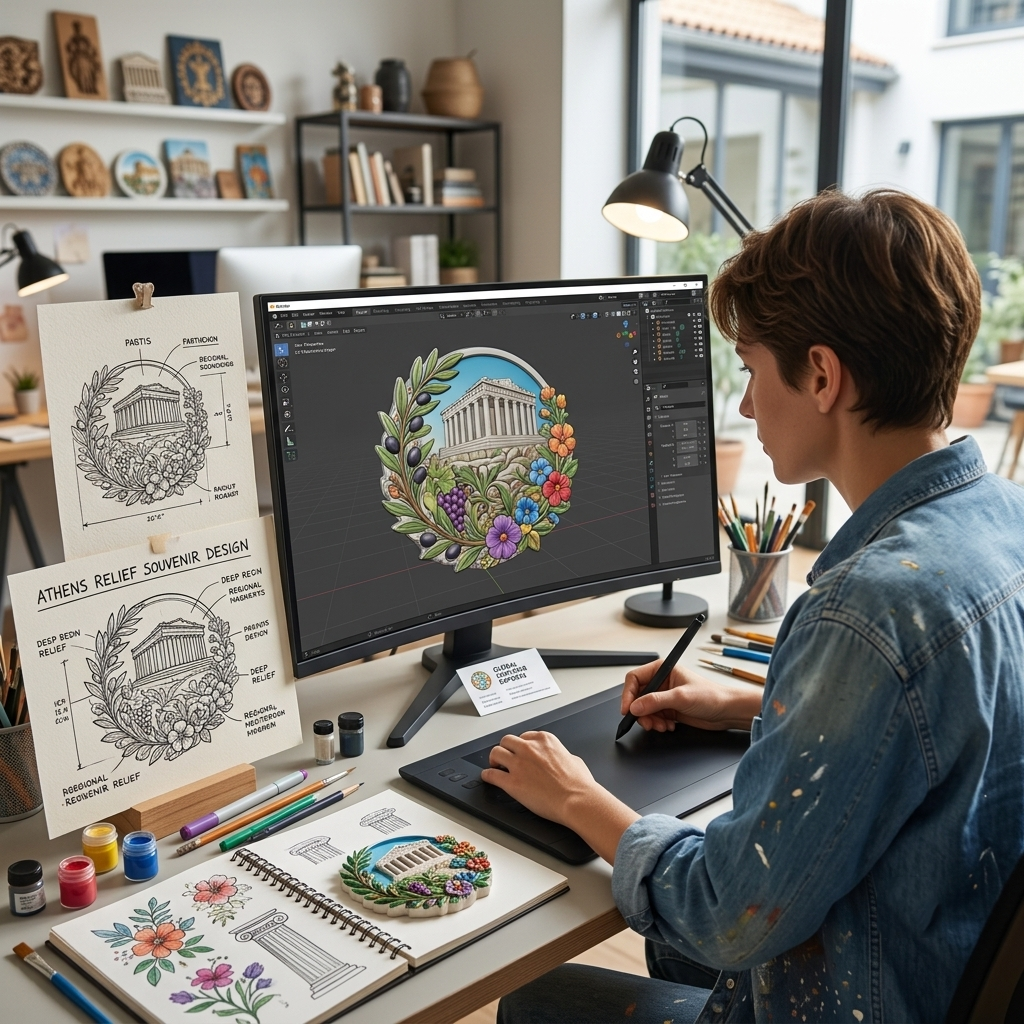
Not all souvenir categories perform equally.
Some products consistently generate stronger sales because they combine affordability, collectability, and emotional appeal.
The following table compares several common souvenir categories.
| Souvenir Category | Collectability | Display Value | Retail Margin Potential | Repeat Purchase Potential |
|---|---|---|---|---|
| Fridge Magnets | High | High | High | High |
| Snow Globes | High | Very High | High | Medium |
| Keychains | Medium | Medium | High | Medium |
| Mugs | Medium | High | Medium | Low |
| T-Shirts | Low | Medium | Medium | Low |
| Postcards | Low | Low | Low | Low |
Fridge magnets remain one of the most successful souvenir categories because they are affordable, easy to transport, and highly collectible.
Many travelers purchase magnets from every destination they visit, creating an ongoing collecting habit that drives repeat sales.
Designing Souvenirs That Reflect Destination Identity
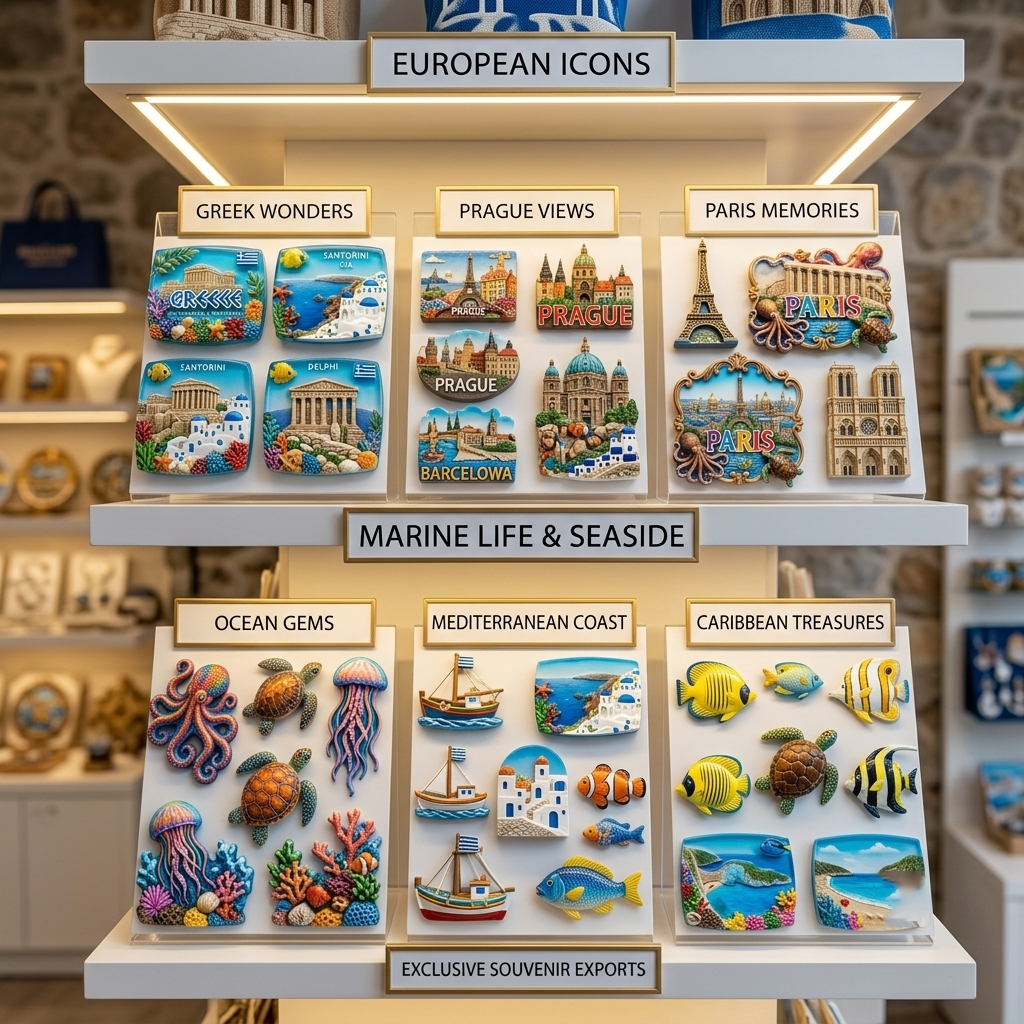
One of the biggest mistakes in souvenir product development is creating products that could belong to any destination.
A souvenir should immediately communicate where it comes from.
Strong destination branding typically incorporates:
- Recognizable landmarks
- Local architecture
- Regional wildlife
- Cultural symbols
- Historical references
- Natural landscapes
Consider the difference between these two products:
A generic beach magnet.
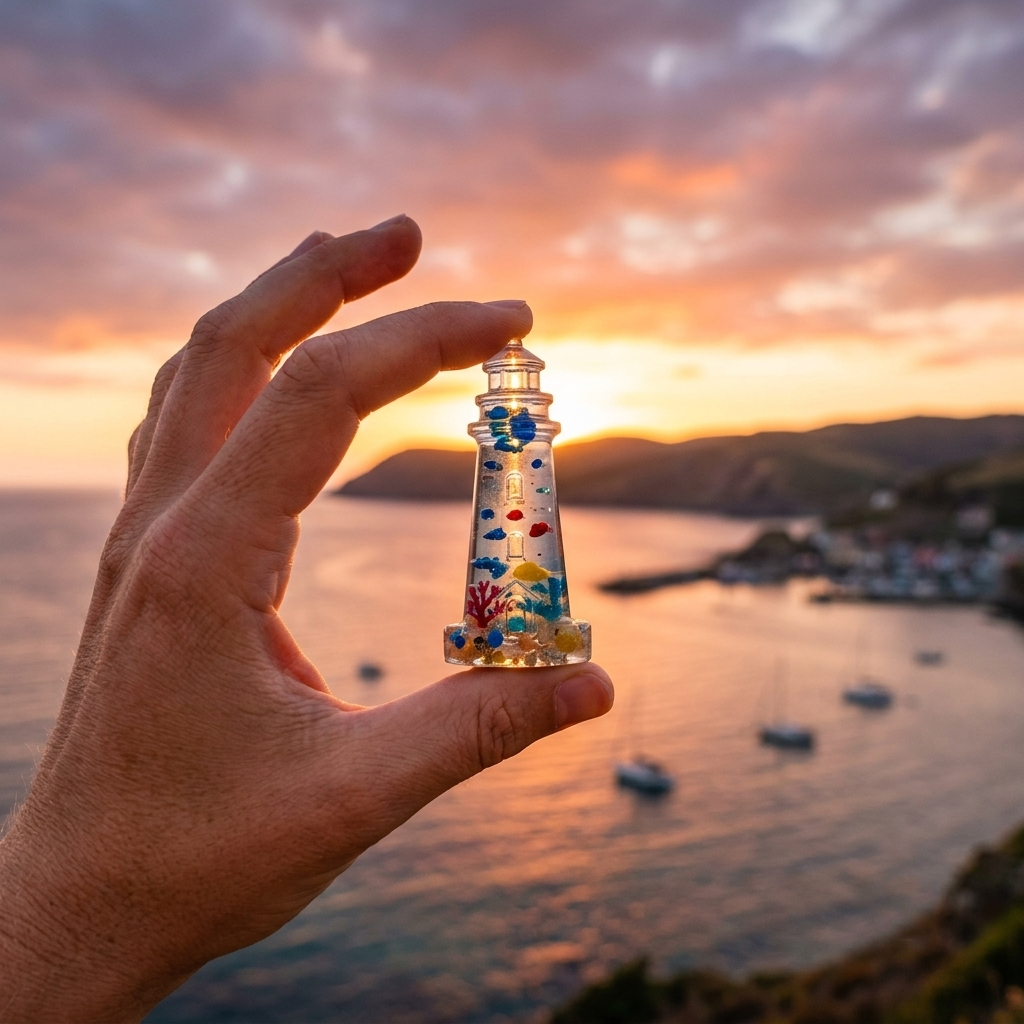
A magnet featuring a famous local lighthouse, regional marine wildlife, and the destination name.
The second design tells a story.
Stories create stronger emotional engagement.
This principle applies across all souvenir categories, including fridge magnets, snow globes, keychains, ornaments, and collectible figurines.
How Successful Gift Shops Build Souvenir Collections
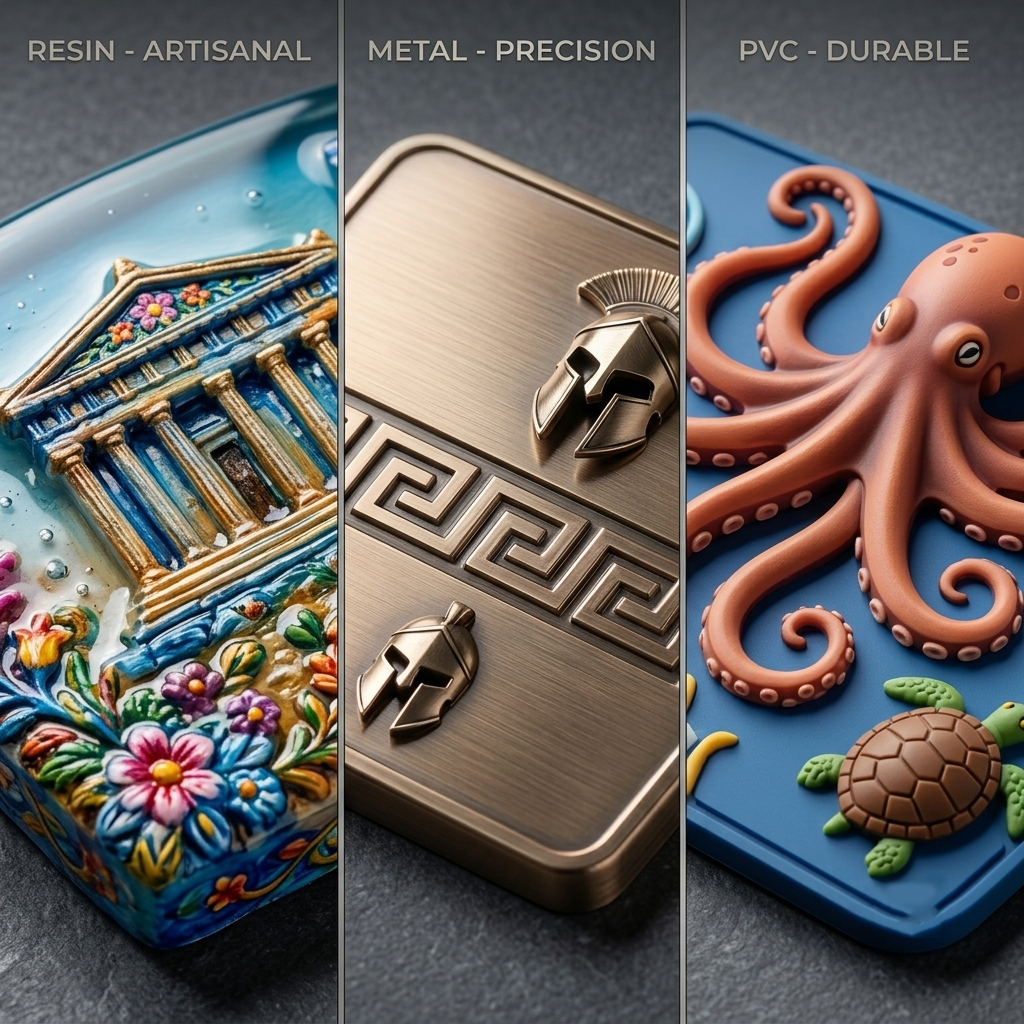
Top-performing gift shops rarely rely on individual products.
Instead, they create collections.
A souvenir collection encourages visitors to purchase multiple items rather than a single product.
Examples include:
Landmark Collection
Featuring famous buildings, monuments, and attractions.
Wildlife Collection
Highlighting local animals and natural habitats.
Historical Collection
Celebrating important historical events and cultural heritage.
Seasonal Collection
Limited-edition products tied to specific events or seasons.
Collections increase perceived value and encourage repeat purchases from collectors.
Many museum gift shops and tourist attractions use this strategy to increase average order value.
Choosing the Right Material for Souvenir Products
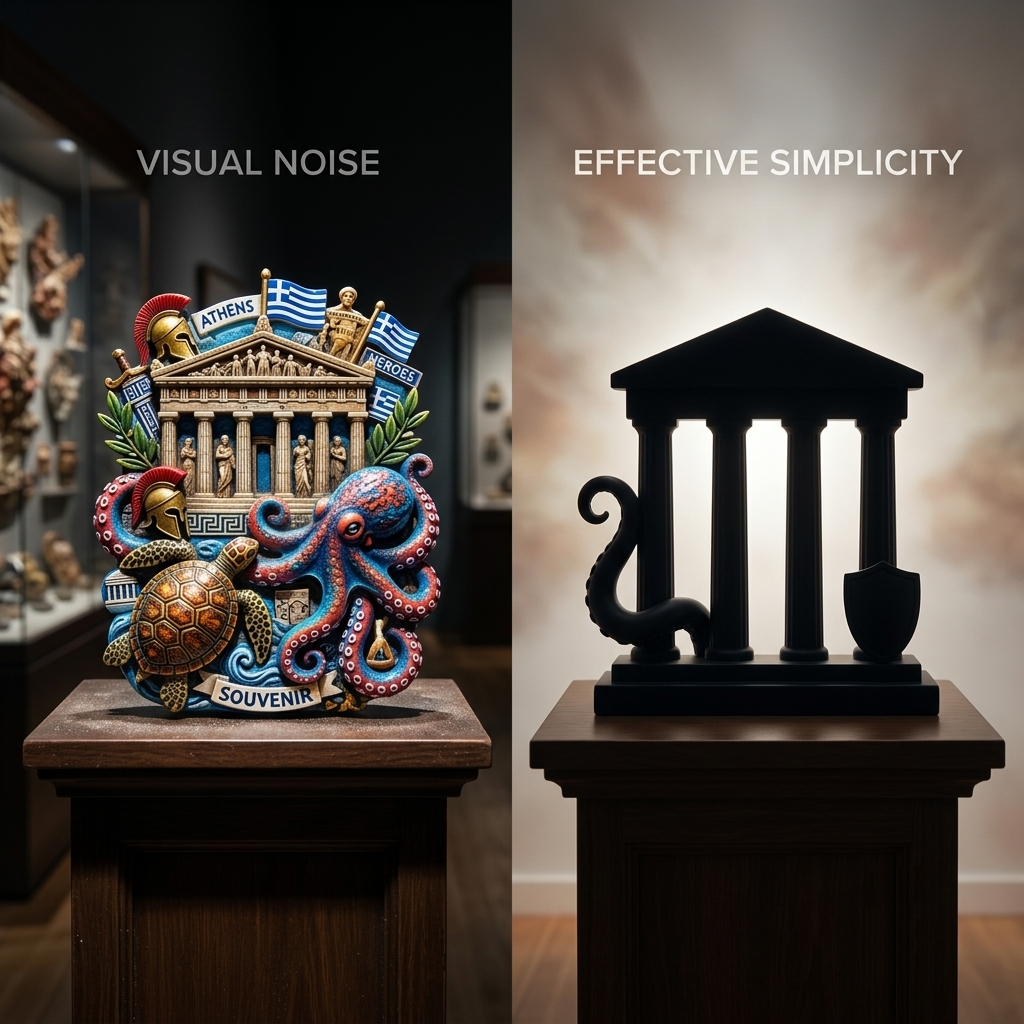
Material selection influences both product appearance and customer perception.
Different materials communicate different levels of value.
Resin Souvenirs
Resin remains one of the most popular materials for custom souvenir manufacturing.
Advantages include:
- Excellent 3D detail
- Vibrant hand-painted finishes
- Strong perceived value
- High collectability
Common applications include:
- Fridge magnets
- Snow globes
- Figurines
- Decorative keepsakes
PVC Souvenirs
PVC offers flexibility and cost efficiency.
Best suited for:
- Promotional products
- Event merchandise
- Budget souvenir programs
Metal Souvenirs
Metal products provide a premium appearance and are frequently used by museums, historical attractions, and commemorative programs.
Choosing the right material should always align with customer expectations and retail positioning.
Common Tourist Souvenir Design Mistakes
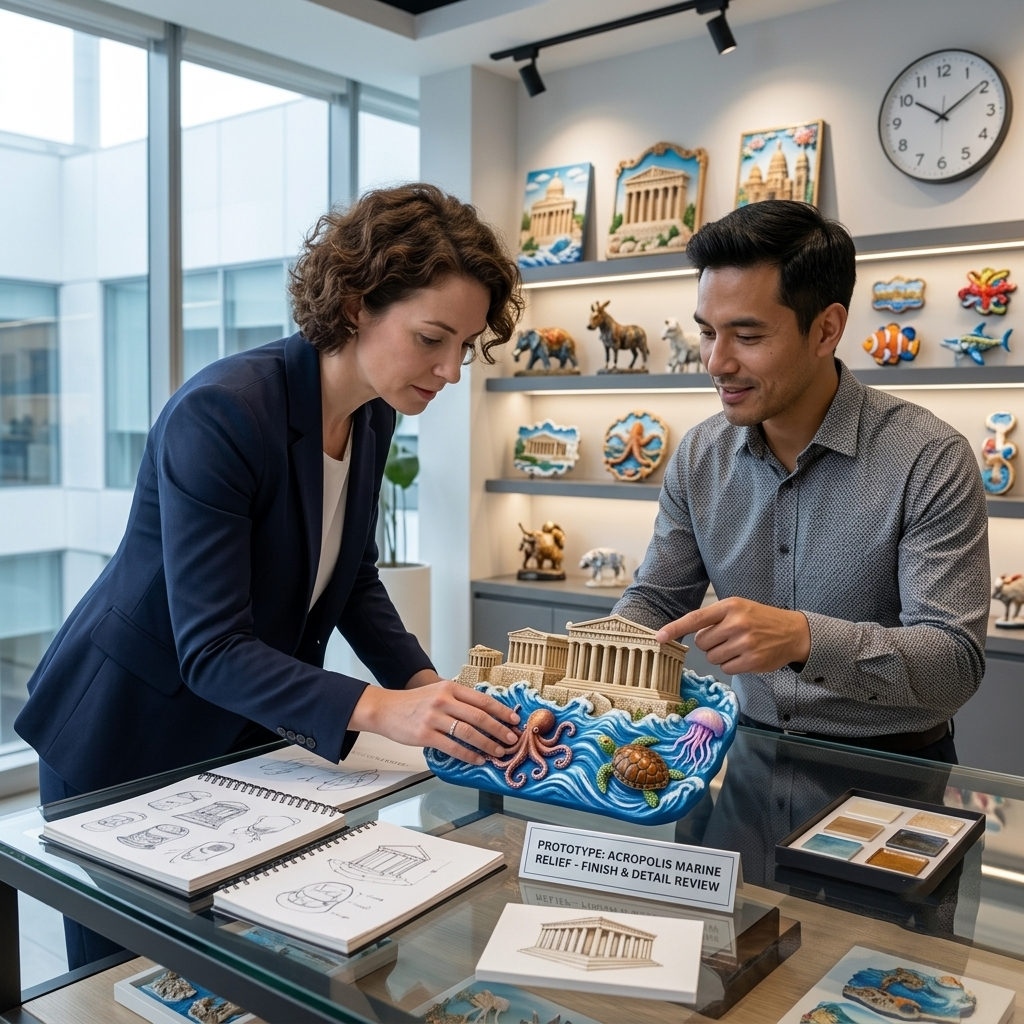
Many otherwise attractive products fail because of avoidable design mistakes.
Overcrowded Designs
Trying to include too many landmarks, colors, and elements often reduces visual impact.
Simple, recognizable designs usually perform better.
Weak Destination Branding
If customers cannot immediately identify the destination, the product loses emotional value.
Ignoring Retail Display Requirements
Products should be designed with merchandising in mind.
Items that are difficult to display often generate lower sales.
Following Trends Instead of Identity
Trends change.
Destination identity remains valuable for years.
The strongest souvenir products focus on timeless local characteristics.
How Custom Souvenir Manufacturers Contribute to Better Design
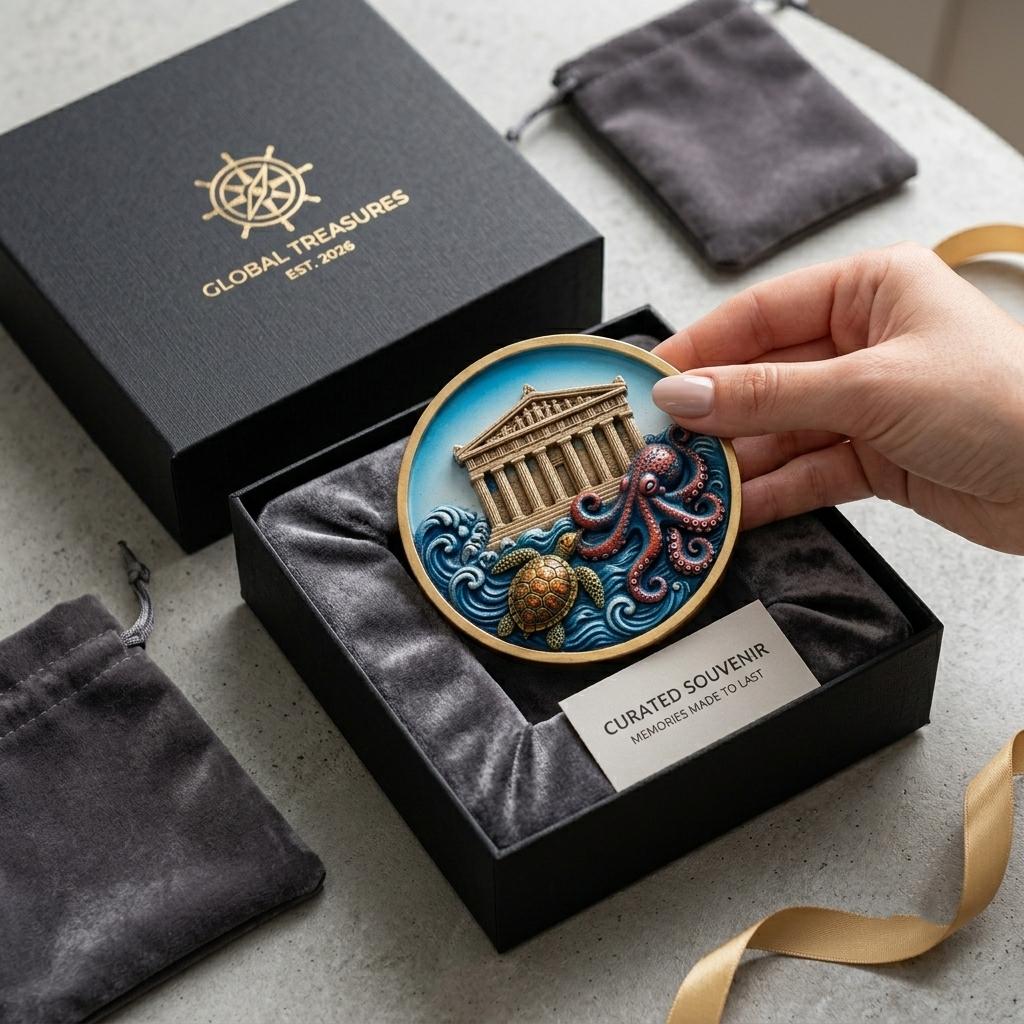
Experienced custom souvenir manufacturers often provide far more than production services.
The best suppliers contribute expertise in:
- Product development
- Material selection
- Packaging solutions
- Retail display optimization
- Manufacturing efficiency
A manufacturer that understands tourism retail can often identify opportunities to improve both design quality and retail performance.
This collaboration becomes particularly valuable when developing large souvenir collections or launching new destination merchandise programs.
Packaging: The Overlooked Element of Souvenir Design
Packaging is frequently treated as an afterthought.
However, packaging directly influences customer perception.
Effective packaging can:
- Increase perceived value
- Improve giftability
- Enhance brand presentation
- Protect products during shipping
Museum gift shops often use premium packaging to reinforce the cultural value of their merchandise.
Tourist attractions frequently use packaging to extend destination branding beyond the product itself.
When evaluating souvenir design, packaging should be considered part of the overall customer experience.
Future Trends in Tourist Souvenir Design
The souvenir industry continues to evolve alongside consumer preferences.
Several trends are shaping future product development:
Story-Driven Design
Products that communicate meaningful narratives often outperform generic souvenirs.
Collectible Product Series
Travelers increasingly seek collections rather than single products.
Sustainable Materials
Eco-conscious travelers are showing greater interest in sustainable souvenir options.
Premium Destination Merchandise
Many attractions are shifting toward higher-quality products that command stronger retail margins.
While trends are important, successful souvenir programs always balance innovation with destination authenticity.
Final Thoughts
Successful tourist souvenir design begins with understanding the traveler.
The best-selling souvenirs are not necessarily the most complex products or the lowest-cost products.
They are the products that create emotional connections, reflect destination identity, and preserve meaningful memories.
Whether developing custom fridge magnets, snow globes, keychains, figurines, or other tourism souvenirs, the most effective approach is to focus on storytelling, authenticity, and customer experience.
When design, destination branding, material selection, and retail strategy work together, souvenirs become more than merchandise.
They become lasting reminders of unforgettable journeys.
For souvenir importers, distributors, gift shop buyers, museums, aquariums, and tourism attractions, investing in thoughtful souvenir product development can create stronger customer engagement, higher retail performance, and long-term brand value.

- Souvenir Magnet Program Planning: What Actually Sells for Museums, Parks & Tourism Boards - October 20, 2026
- Custom Fridge Magnet Sampling and Proofing: The B2B Guide to Approving a Sample (2026) - October 15, 2026
- Custom Mold Ownership & Design IP Protection for Souvenir Magnets: A B2B Buyer’s Guide (2026) - October 9, 2026