Introduction
Selecting the right souvenir products is one of the most important decisions a gift shop owner, museum buyer, tourism attraction manager, or souvenir importer can make.
A well-chosen souvenir collection does much more than fill shelf space. The right products can increase average order value, improve customer satisfaction, strengthen destination branding, and generate repeat business from both tourists and wholesale customers.
However, many gift shops struggle with product selection.
Some stores carry too many low-performing items. Others focus on products that fail to connect with visitors emotionally. In many cases, retailers invest significant capital in inventory that sits on shelves for months because it does not reflect what travelers actually want to buy.
The most successful souvenir retailers understand a simple principle:
Tourists do not purchase souvenirs because they need them. They purchase souvenirs because they want to preserve memories.
This difference changes everything.
Understanding why visitors buy souvenirs and how different souvenir categories perform can help retailers build a product assortment that attracts customers and drives higher sales.
This guide explains how to choose souvenir products strategically, evaluate different product categories, understand customer behavior, and work with the right souvenir manufacturers to create a successful retail program.
Why Choosing the Right Souvenir Products Matters
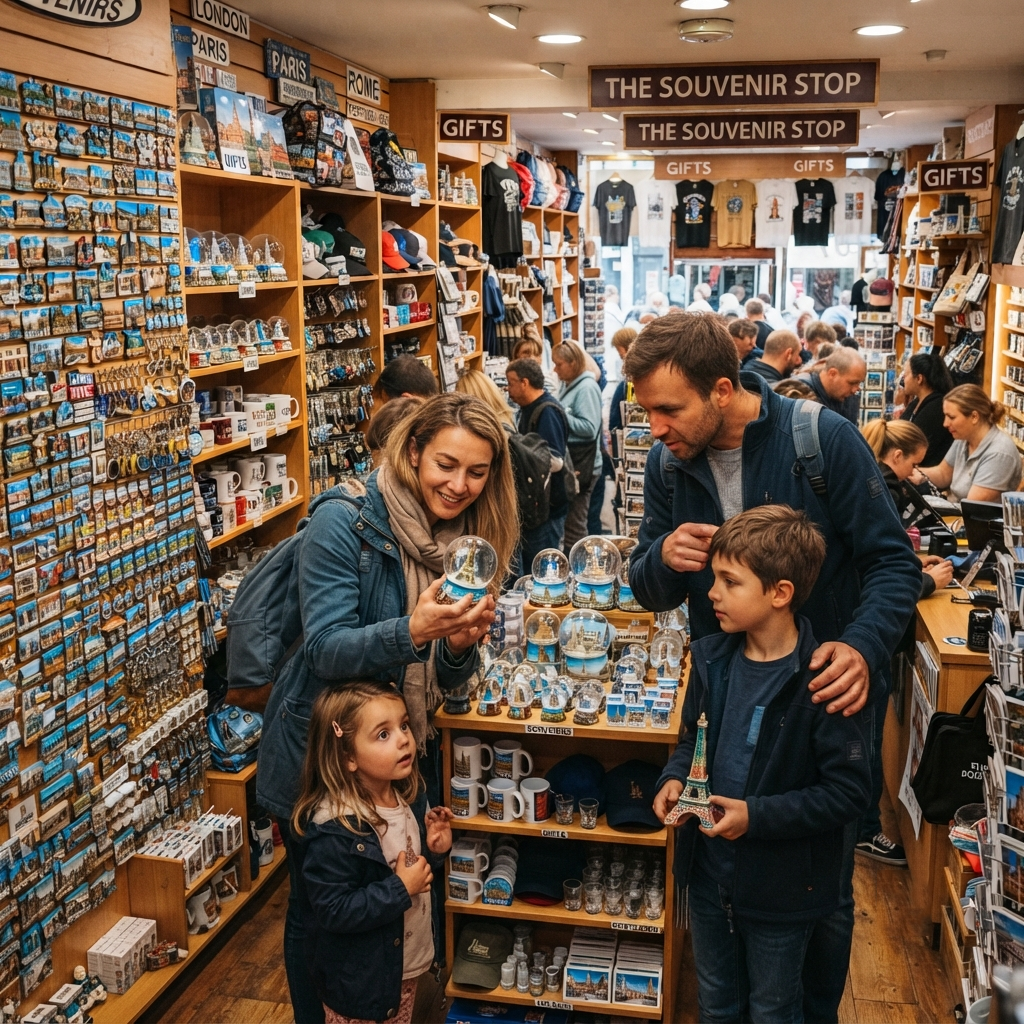
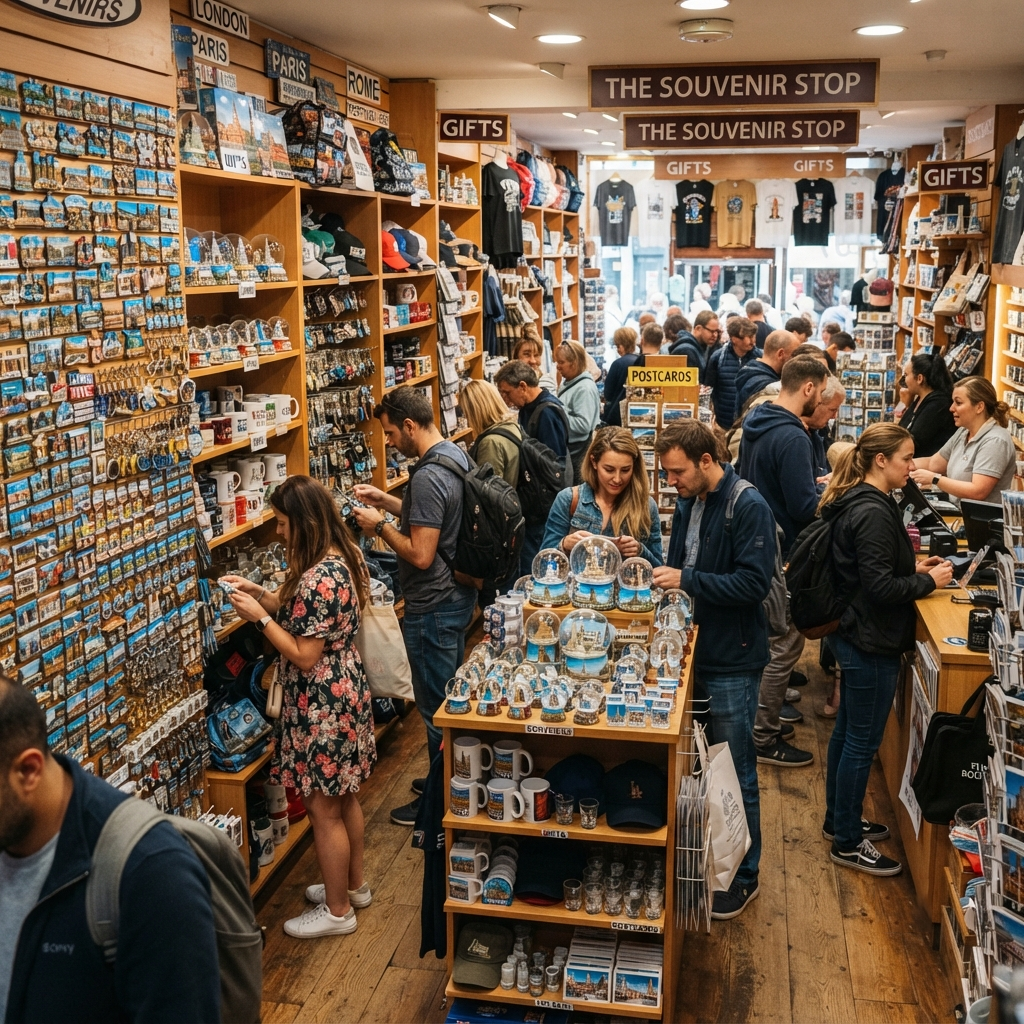
Many gift shops focus heavily on location and foot traffic while underestimating the impact of product selection.
Even in high-traffic tourist destinations, poor product choices can significantly reduce sales opportunities.
Successful souvenir products perform several functions simultaneously:
- They remind visitors of a memorable experience.
- They communicate destination identity.
- They fit within travelers’ budgets.
- They are easy to transport.
- They offer emotional value beyond their purchase price.
When souvenir products satisfy all of these requirements, they become much easier to sell.
On the other hand, generic products that lack local identity often struggle to generate meaningful interest.
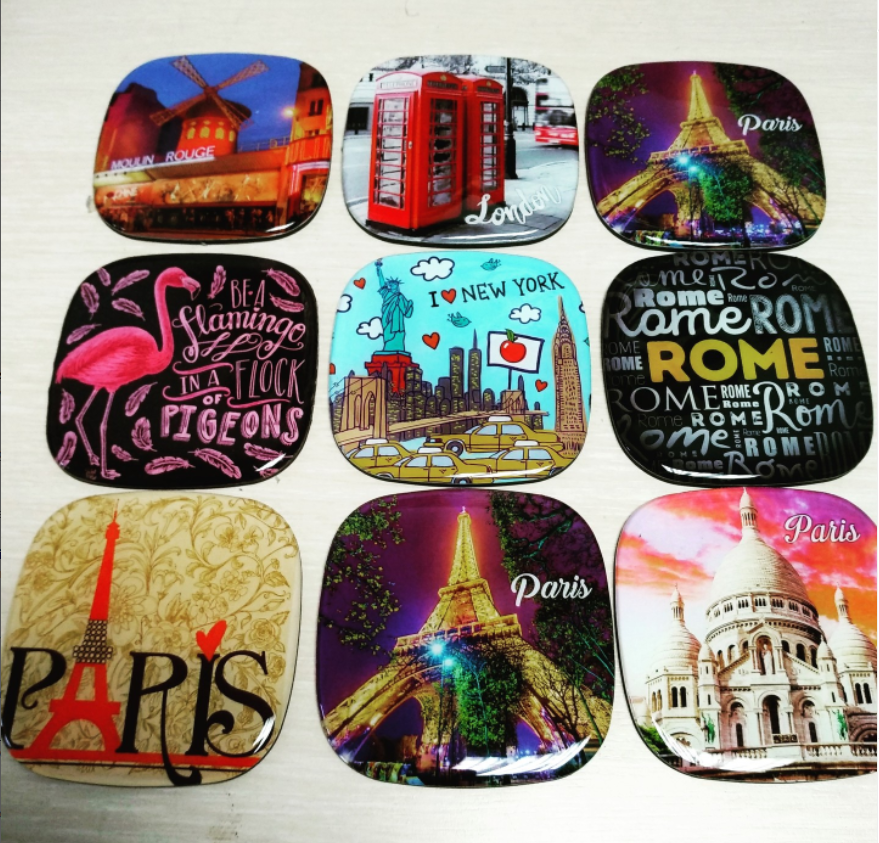
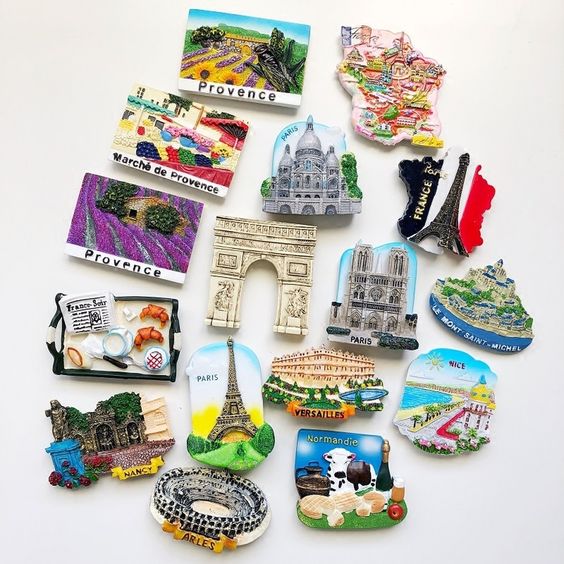
For example, a custom fridge magnet featuring a famous landmark, local wildlife, and destination branding will generally outperform a generic imported magnet with no connection to the location.
The stronger the connection between the product and the visitor’s experience, the higher the perceived value.
Understanding Tourist Buying Behavior
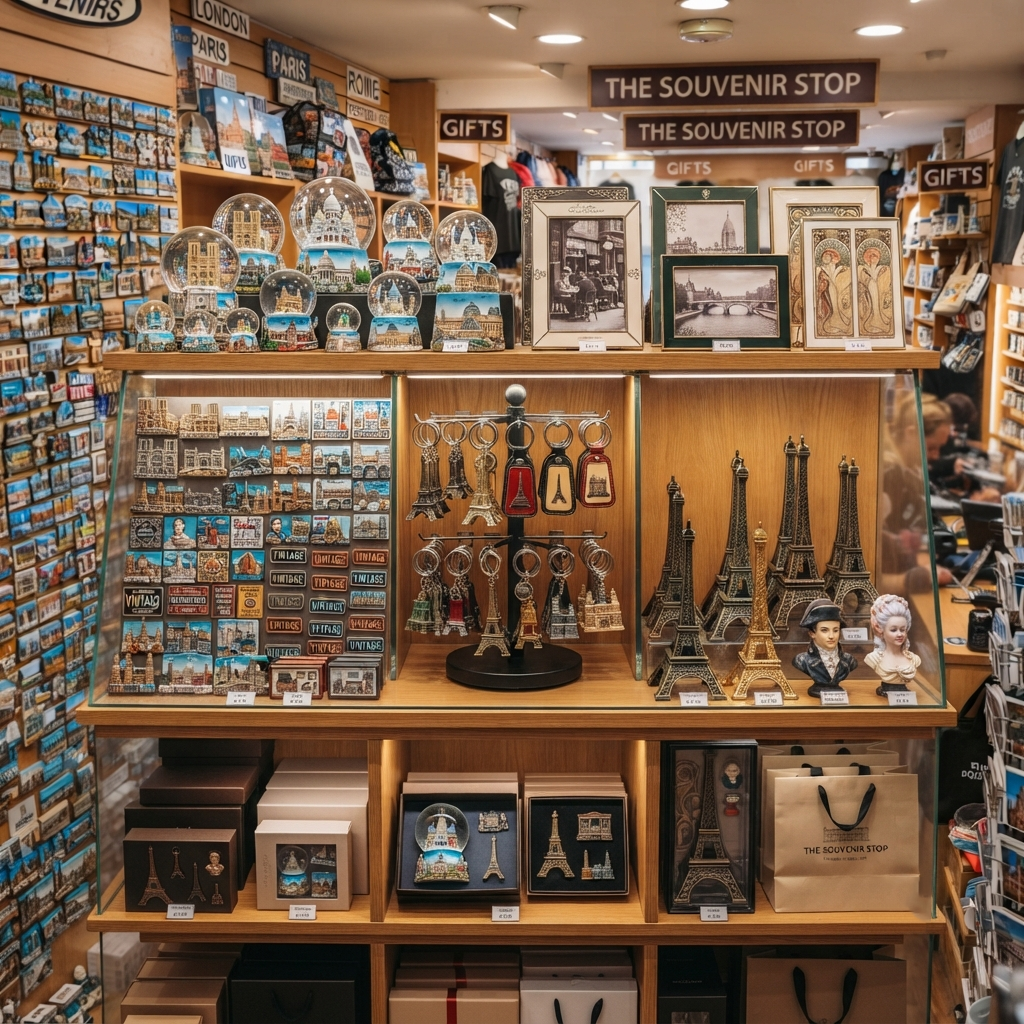
Before selecting products, retailers must first understand what motivates tourists to make purchasing decisions.
Travel souvenirs are emotional purchases.
Unlike household products or business supplies, souvenirs are connected to memories, experiences, and personal stories.
Tourists often purchase souvenirs for several reasons:
Memory Preservation
Visitors want a tangible reminder of their trip.
A souvenir helps extend the travel experience long after returning home.
Gift Giving
Many travelers purchase gifts for family members, friends, and colleagues.
Products that are lightweight, affordable, and easy to transport often perform exceptionally well in this category.
Collecting
Certain souvenir categories, particularly fridge magnets, keychains, patches, and snow globes, benefit from strong collector behavior.
Many travelers actively build collections from destinations they visit.
Social Sharing
Modern travelers increasingly share their experiences online.
Visually attractive souvenir products are more likely to be photographed and shared on social media, indirectly supporting destination marketing.
Understanding these motivations helps gift shops choose products that align with actual customer demand rather than personal preferences.
The Most Popular Souvenir Categories for Gift Shops
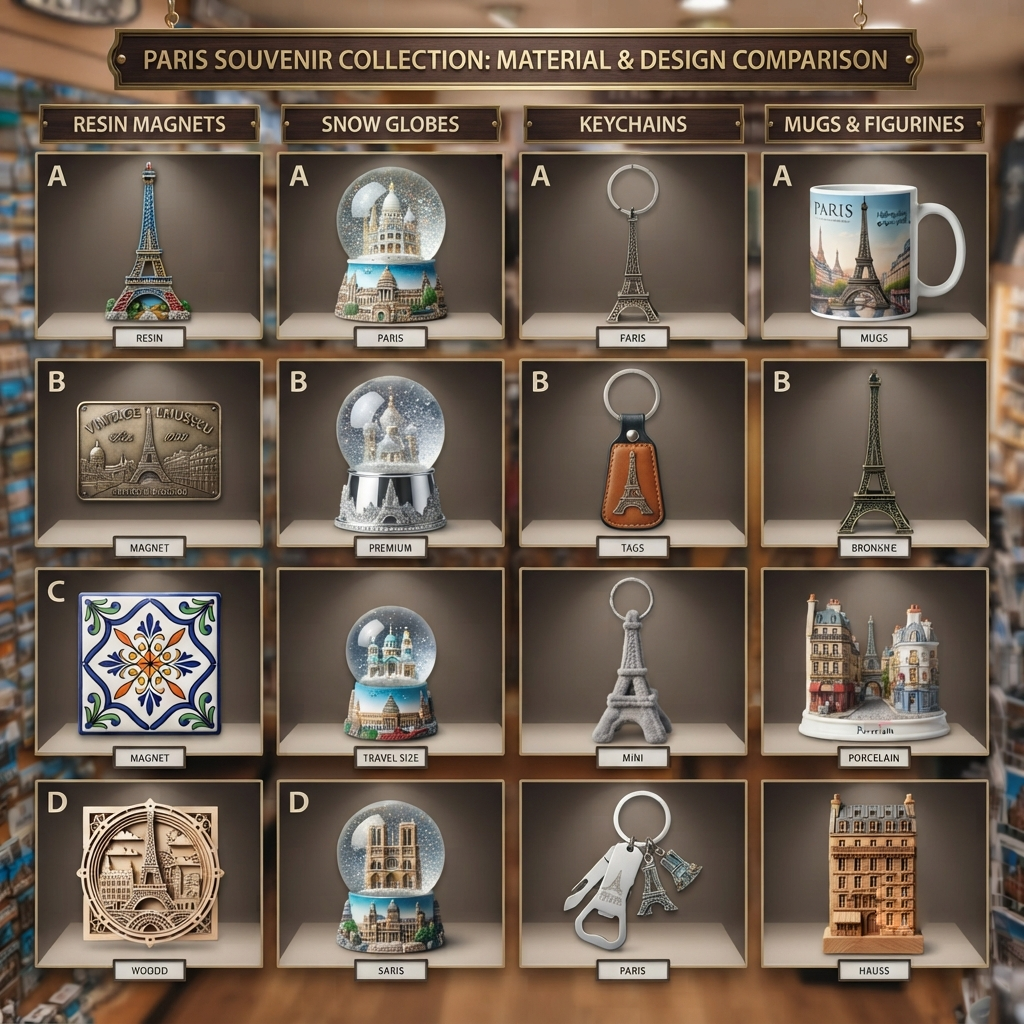
Not all souvenir products perform equally.
Certain categories consistently generate strong sales across different tourism sectors, including museums, aquariums, amusement parks, cultural attractions, cruise destinations, and city gift shops.
Custom Fridge Magnets
Custom fridge magnets remain one of the best-selling souvenir products worldwide.
Benefits include:
- Affordable pricing
- High collectability
- Easy transportation
- Strong destination branding opportunities
- Excellent profit margins
Many successful gift shops offer entire collections rather than individual magnet designs.
Snow Globes
Snow globes provide strong visual appeal and premium perceived value.
They perform particularly well in:
- Historic attractions
- Museums
- Landmark destinations
- Seasonal tourism markets
Keychains
Custom souvenir keychains are popular because they are practical, affordable, and highly customizable.
Figurines and Statues
These products generally appeal to collectors and visitors seeking premium souvenirs.
Photo Frames
Tourists often purchase destination-themed photo frames to display travel memories after returning home.
Comparison of Popular Souvenir Categories
| Product Category | Collectability | Profit Potential | Ease of Transport | Visual Appeal |
|---|---|---|---|---|
| Fridge Magnets | High | High | Excellent | High |
| Keychains | High | Medium | Excellent | Medium |
| Snow Globes | Medium | High | Moderate | High |
| Figurines | Medium | High | Moderate | High |
| Photo Frames | Medium | Medium | Moderate | Medium |
The table illustrates why custom fridge magnets continue to dominate souvenir retail environments. They combine affordability, collectability, and strong merchandising potential.
Comparing Different Souvenir Product Types
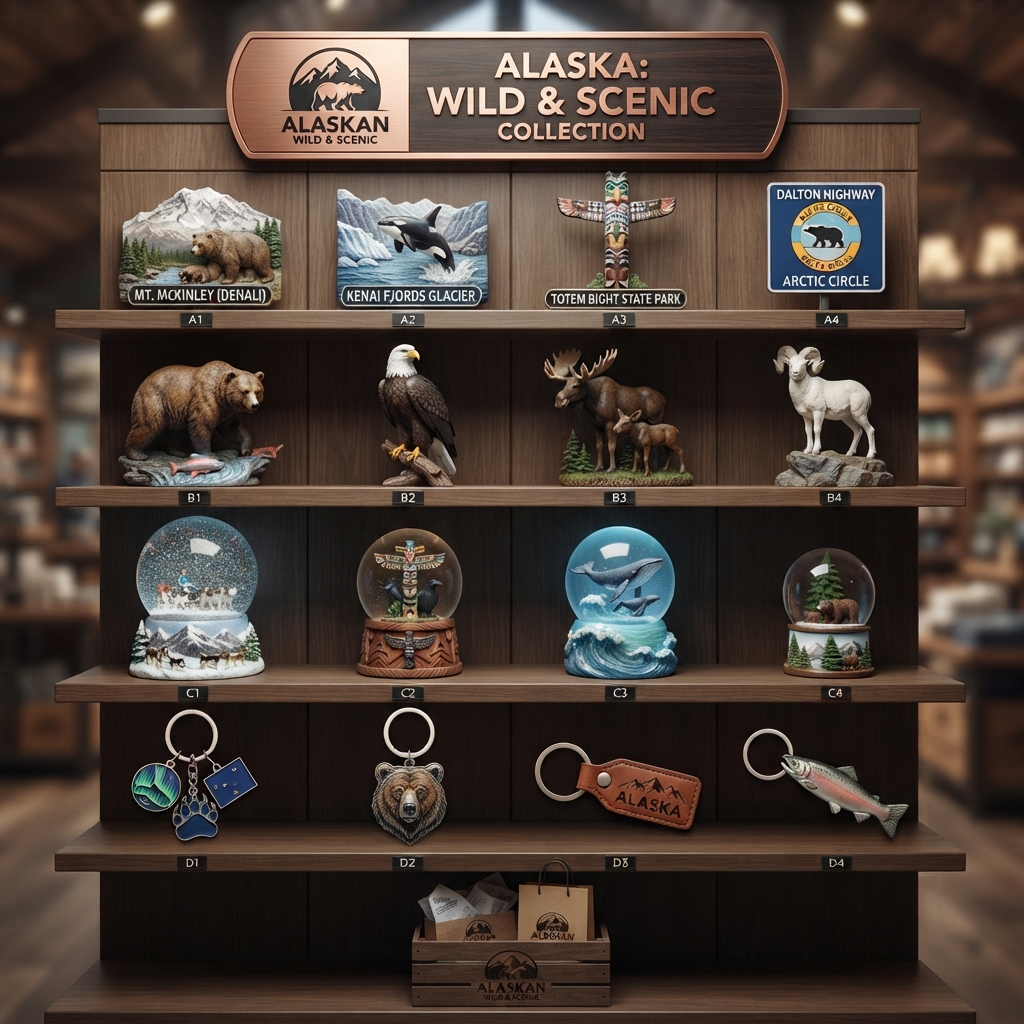
When evaluating inventory, gift shop owners should consider more than appearance.
Each product category offers different advantages depending on the target customer and destination type.
Fridge Magnets
Best for:
- Tourist attractions
- Museums
- Destination gift shops
- Cruise ports
Snow Globes
Best for:
- Premium gift shops
- Historic landmarks
- Seasonal tourism
Keychains
Best for:
- High-volume sales
- Family attractions
- Theme parks
Figurines
Best for:
- Collectors
- Cultural attractions
- Specialty retailers
Rather than selecting only one category, successful gift shops often combine multiple product types to create a balanced souvenir assortment.
Building a Successful Souvenir Collection
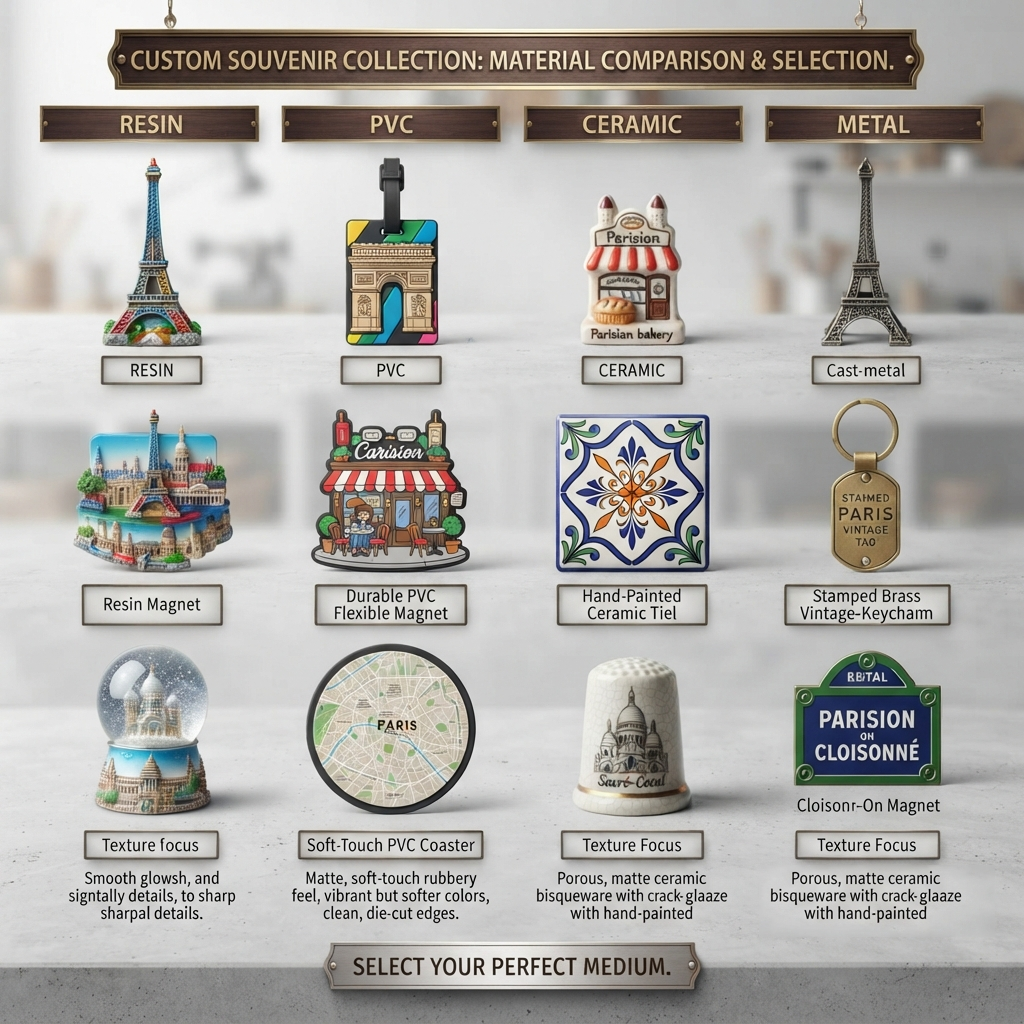
One of the biggest mistakes retailers make is treating each souvenir product as a standalone item.
The most successful gift shops think in terms of collections.
A collection-based strategy encourages visitors to purchase multiple items rather than a single souvenir.
Examples include:
Landmark Collection
Featuring iconic local landmarks.
Wildlife Collection
Showcasing regional animals and marine life.
Cultural Heritage Collection
Highlighting traditions, architecture, and local history.
Seasonal Collection
Special designs released during holidays or tourism events.
Collections improve merchandising, increase average transaction values, and create stronger destination branding.
Choosing the Right Materials for Souvenir Products
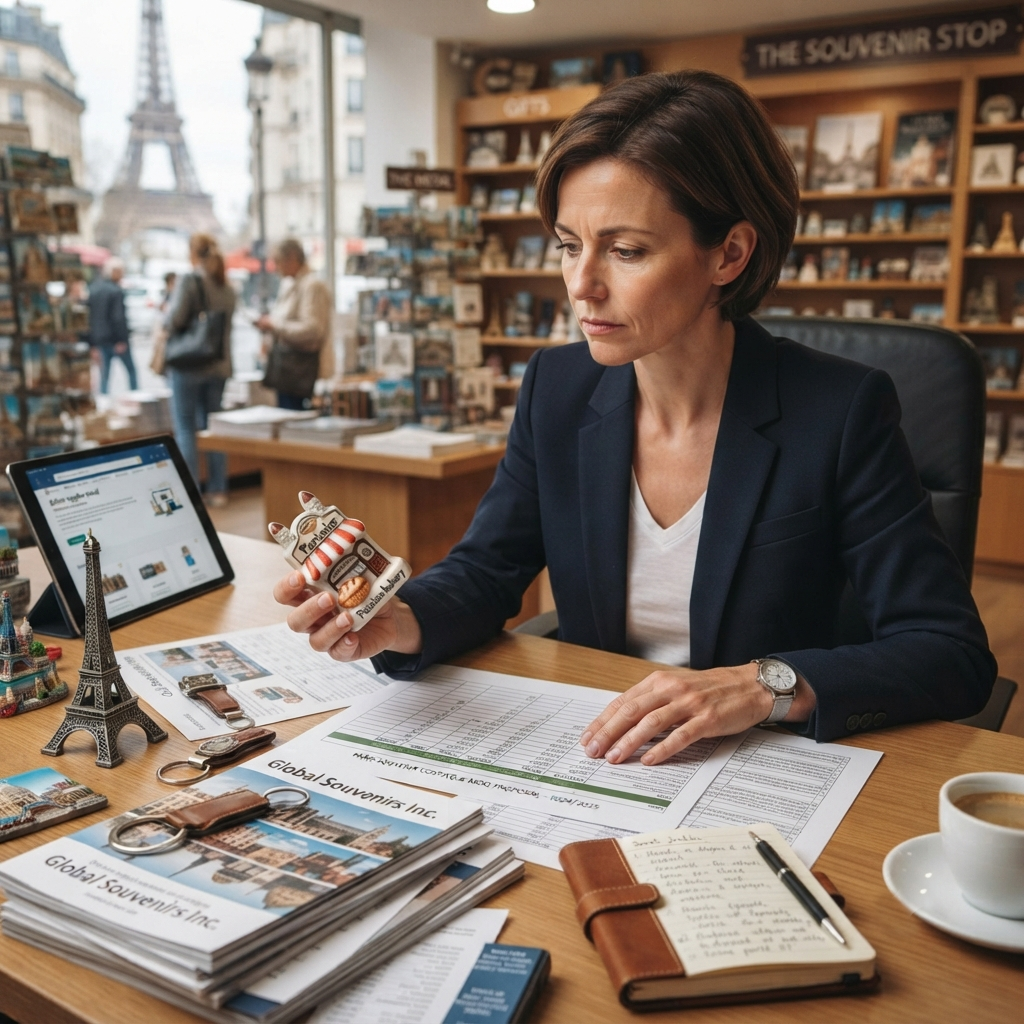
Material selection is one of the most overlooked aspects of souvenir product development.
While many buyers focus primarily on design and pricing, the material used can significantly influence perceived value, durability, customer satisfaction, and long-term sales performance.
Different materials create different customer experiences.
Resin Souvenirs
Resin remains one of the most popular materials in the souvenir industry.
Benefits include:
- Excellent 3D detail reproduction
- Strong durability
- Hand-painted customization options
- Premium appearance
- Suitable for landmarks, animals, architecture, and destination-themed designs
Resin products are commonly used for:
- Fridge magnets
- Snow globes
- Figurines
- Photo frames
- Decorative collectibles
Because resin allows intricate sculpting, it is particularly effective for creating souvenirs that capture local identity and storytelling elements.
PVC Souvenirs
PVC products are lightweight and cost-effective.
They are often selected for:
- Family attractions
- Theme parks
- Children’s souvenirs
- Event merchandise
Advantages include vibrant colors and flexible designs.
Metal Souvenirs
Metal products provide a premium appearance and are frequently used in:
- Museums
- Historic sites
- Cultural attractions
Popular applications include:
- Keychains
- Coins
- Badges
- Collectible pins
Ceramic Souvenirs
Ceramic products are often chosen for destinations emphasizing craftsmanship, culture, or traditional art.
Although visually attractive, ceramic items require more careful packaging and transportation.
Material Comparison Table
| Material | Visual Appeal | Durability | Customization | Production Cost | Premium Perception |
|---|---|---|---|---|---|
| Resin | High | High | High | Medium | High |
| PVC | Medium | High | Medium | Low | Medium |
| Metal | High | Very High | Medium | Medium-High | High |
| Ceramic | High | Medium | Medium | Medium | High |
For most tourist gift shops, resin products often provide the best balance between visual impact, collectability, customization options, and retail profitability.
Product Pricing and Profitability
One of the most common questions asked by gift shop owners is:
“What products will generate the highest profit margins?”
While profitability is important, focusing solely on product cost can be a mistake.
Successful retailers evaluate products based on:
- Retail margin
- Inventory turnover
- Customer appeal
- Repeat purchase potential
- Display efficiency
A product with a lower margin but faster turnover can sometimes outperform a premium product that sells slowly.
Understanding Tourist Spending Behavior
Travelers often make impulse purchases.
Products within affordable price ranges generally experience stronger sales volume.
This is one reason why fridge magnets continue to dominate the souvenir market.
They offer:
- Affordable retail pricing
- Strong collectability
- High perceived emotional value
Many successful gift shops use a tiered pricing strategy.
Entry-Level Products
Examples:
- Magnets
- Keychains
- Stickers
Purpose:
- Encourage impulse purchases
Mid-Range Products
Examples:
- Snow globes
- Decorative ornaments
- Collectible figurines
Purpose:
- Increase average transaction value
Premium Products
Examples:
- Limited-edition collectibles
- Large figurines
- Exclusive destination merchandise
Purpose:
- Maximize profit per transaction
A balanced product mix helps retailers capture customers across multiple spending levels.
Working with a Custom Souvenir Manufacturer

Choosing the right manufacturing partner is often just as important as choosing the right products.
An experienced custom souvenir manufacturer can provide valuable support throughout the product development process.
The best suppliers assist with:
- Design recommendations
- Material selection
- Mold development
- Packaging solutions
- Quality control
- Logistics planning
Questions to Ask Potential Suppliers
Before placing an order, buyers should evaluate:
- Manufacturing experience
- Product specialization
- Quality standards
- Customization capabilities
- MOQ requirements
- Production lead times
Why Industry Experience Matters
A manufacturer experienced in tourism souvenirs understands:
- Destination branding
- Tourist buying behavior
- Retail display requirements
- Product collectability
This expertise often results in stronger product designs and higher-performing collections.
For example, a manufacturer specializing in custom fridge magnets can often recommend design improvements that increase visual impact and shelf appeal.
Importance of Product Sampling
Never skip the sample stage.
Samples allow buyers to evaluate:
- Color accuracy
- Sculpting quality
- Paint details
- Magnet strength
- Packaging appearance
Small adjustments during sampling can dramatically improve final retail performance.
Common Mistakes When Selecting Souvenir Products
Even experienced buyers occasionally make mistakes when developing souvenir collections.
Avoiding these common issues can improve sales performance and reduce inventory risks.
Choosing Products Based on Personal Preferences
Retailers sometimes select products they personally like rather than products tourists actually want.
Customer preferences should always guide product decisions.
Ignoring Destination Identity
Generic products rarely outperform destination-specific designs.
The strongest souvenirs celebrate local culture, landmarks, wildlife, and experiences.
Carrying Too Many Similar Products
Excessive duplication can overwhelm customers.
A carefully curated assortment often performs better than an oversized product range.
Focusing Only on Price
The cheapest product is not always the most profitable.
Perceived value, collectability, and emotional appeal often influence sales more than price alone.
Failing to Build Collections
Collections encourage multiple purchases.
Single standalone products generally generate lower basket values.
Poor Packaging
Packaging contributes significantly to perceived value.
Well-designed packaging can elevate even simple products.
Future Trends in Gift Shop Souvenirs
The souvenir industry continues to evolve as traveler expectations change.
Several trends are shaping the future of souvenir product development.
Story-Driven Products
Travelers increasingly seek meaningful souvenirs connected to authentic experiences.
Products that tell a story often outperform generic designs.
Destination Collections
Rather than purchasing a single item, visitors increasingly collect multiple souvenirs from the same destination.
Sustainable Packaging
Environmentally responsible packaging is becoming more important in tourism retail.
Premium Collectibles
Higher-quality souvenirs are gaining popularity among travelers seeking unique keepsakes.
Limited-Edition Merchandise
Exclusive designs encourage urgency and increase perceived value.
Personalized Souvenirs
Customization options continue to grow in popularity across many tourism sectors.
Retailers who embrace these trends can position themselves for long-term success.
Frequently Asked Questions
What are the best-selling souvenir products for gift shops?
Custom fridge magnets, keychains, snow globes, figurines, and destination-themed collectibles consistently rank among the best-selling souvenir categories.
Why are custom fridge magnets so popular?
They are affordable, easy to transport, highly collectible, and effective at preserving travel memories.
How many souvenir products should a gift shop carry?
The ideal number depends on store size and visitor volume, but a curated selection typically performs better than an excessively large inventory.
What material is best for custom souvenir products?
Resin is often preferred because it offers excellent detail, durability, customization flexibility, and strong visual appeal.
Should gift shops develop souvenir collections?
Yes. Collection-based merchandising encourages multiple purchases and strengthens destination branding.
Final Thoughts
Choosing the right souvenir products for your gift shop is not simply about finding attractive merchandise.
Successful souvenir programs are built around visitor psychology, destination identity, collectability, product quality, and strategic merchandising.
The most effective gift shops understand that tourists are purchasing memories rather than products.
By selecting products that reflect authentic destination experiences, developing coordinated souvenir collections, working with experienced manufacturers, and focusing on long-term customer value, retailers can create a stronger shopping experience while improving profitability.
Whether you operate a museum gift shop, aquarium retail store, tourism attraction, destination boutique, or wholesale souvenir business, thoughtful product selection remains one of the most powerful tools for increasing sales and strengthening your brand.
Investing in the right souvenir products today can create lasting customer connections and sustainable business growth for years to come.

- Resin Fridge Magnet Manufacturing Processes Compared: UV Printing, Screen Printing, Epoxy Dome & Hand-Painting (2026 Buyer’s Guide) - August 11, 2026
- How to Choose a Reliable Resin Souvenir Factory in China: A Comprehensive Audit Guide for B2B Buyers - August 5, 2026
- The Ultimate Guide to Sourcing Custom Resin Souvenirs: From Factory Design to Global Wholesale (2026 Edition) - July 29, 2026