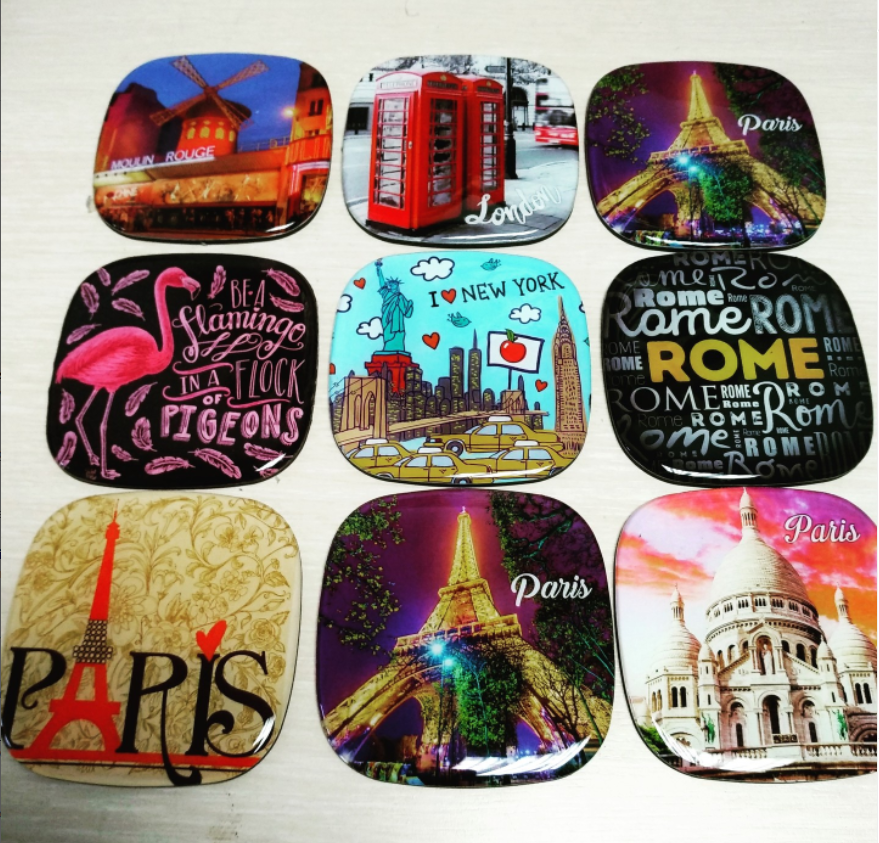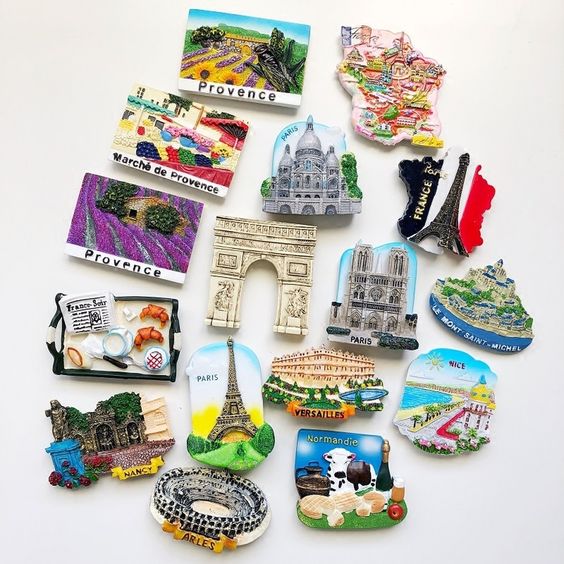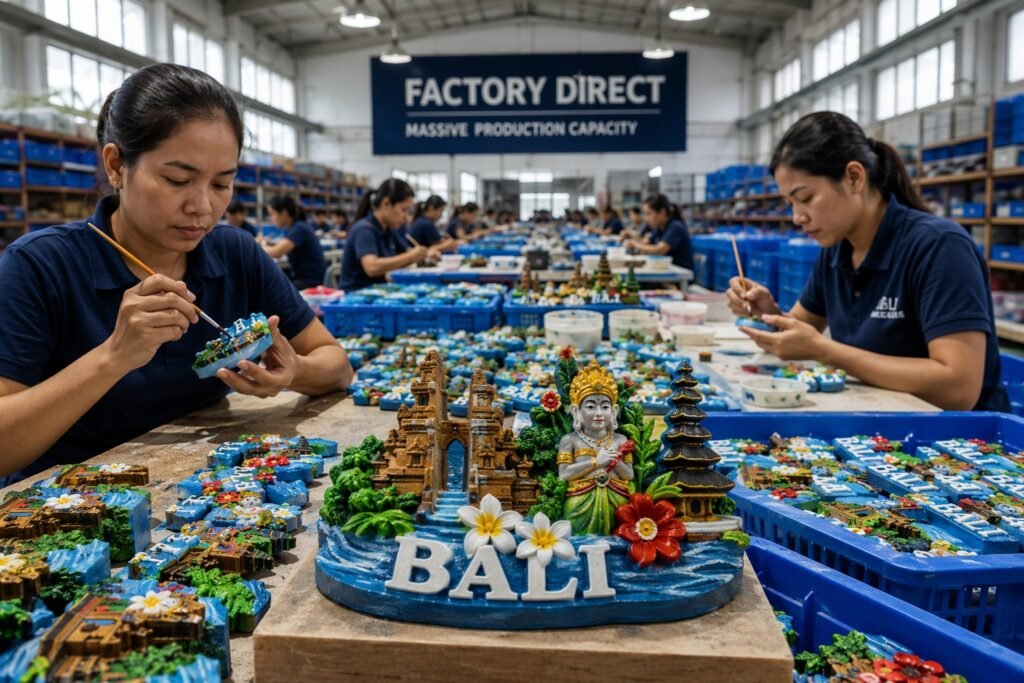
The Definitive B2B Guide to Custom Resin Souvenir Manufacturing: From 3D Prototype to Global Delivery (2026 Edition)
In the rapidly evolving landscape of the global tourism industry, the demand for high-quality, personalized souvenirs has reached an all-time high. As we move through 2026, retail buyers, museum gift shop managers, and souvenir wholesalers are shifting their focus from generic, low-cost trinkets to premium, story-driven products that capture the essence of a destination. At the heart of this shift lies polyresin—a versatile, durable, and highly detailed material that has become the gold standard for custom fridge magnets, snow globes, and decorative figurines.
However, for a B2B procurement manager, sourcing custom resin souvenirs is not merely about finding a product; it is about finding a strategic manufacturing partner. The journey from a conceptual sketch to a shelf-ready product involves complex technical standards, rigorous compliance checks, and logistical precision. This guide provides a deep dive into the world of custom resin manufacturing, leveraging over two decades of factory experience at Xinfeng Resin Craft to help you navigate the sourcing process with confidence.
The Anatomy of a High-End Resin Souvenir: Beyond Just “Crafts”
When a tourist picks up a 3D fridge magnet in a museum or a beautifully crafted snow globe in a seaside boutique, they are holding a piece of engineering. High-end resin souvenirs are distinguished by three pillars: material purity, design precision, and artisanal finish.
Material Selection: Why “Eco-Friendly Polyresin” is Non-Negotiable
Not all resin is created equal. In the B2B world, material selection is the first line of defense against product recalls and brand damage. Low-grade resins often contain high levels of phthalates or lead, which are strictly regulated in markets like the EU (REACH) and the USA (California Proposition 65).
At CraftMGF, we utilize high-density eco-friendly polyresin that offers superior impact resistance and a smooth surface for painting. This material ensures that the fine details of a 3D sculpted landscape—down to the individual bricks of a cathedral or the texture of a mountain range—remain sharp and durable for years.
3D Modeling Precision: The 0.1mm Industry Standard
In the past, souvenir design relied heavily on manual clay sculpting. While clay has its charm, it often lacks the mathematical precision required for modern branding and complex architectural replicas. Today, the industry standard has shifted to digital 3D sculpting.
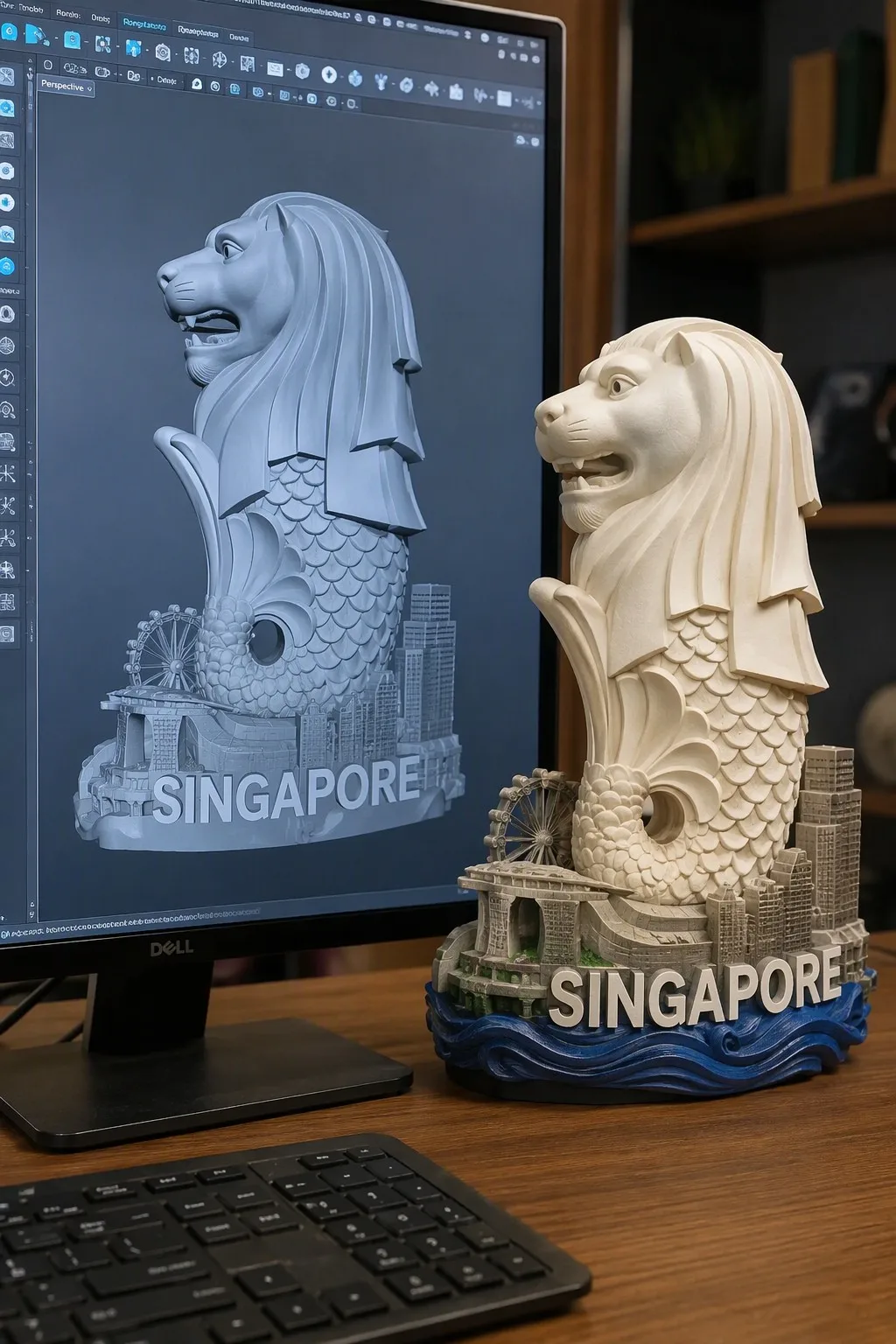
Using professional software, designers can achieve a modeling precision of 0.1mm. This level of accuracy is critical for OEM projects where a client’s mascot or a specific city landmark must be replicated with absolute fidelity. Digital sculpting also allows for rapid prototyping, enabling wholesalers to review and approve virtual models before a single master mold is even cast.
The 7-Stage Advanced Manufacturing Cycle at a Top-Tier Resin Factory
Understanding the manufacturing lifecycle is essential for managing lead times and ensuring quality at scale. A professional resin craft factory in China follows a structured process that balances industrial efficiency with hand-painted artistry.
Stage 1: Conceptual Rendering & Digital 3D Sculpting
Everything begins with a vision. Whether you provide a high-resolution photograph, a rough sketch, or a conceptual idea, the design team translates this into a 3D digital file. This stage is where the product’s “soul” is captured, ensuring that the proportions and perspective are optimized for a 3-dimensional object.
Stage 2: Precision 3D Printing vs. Traditional Clay Modeling
Once the digital model is approved, it is transformed into a physical “master” using industrial 3D printers. This master serves as the reference for all subsequent molds. For organic shapes or traditional artistic pieces, clay modeling may still be used, but 3D printing is preferred for technical accuracy in souvenir magnet manufacturing.
Stage 3: Master Mold Creation & Silicon Grade Selection
The quality of the final product depends on the quality of the mold. We use high-grade silicone to create “master molds” that can capture the most intricate textures. The selection of silicone grade is vital; it must be flexible enough to release complex shapes without tearing, yet firm enough to maintain dimensional stability over thousands of castings.
Stage 4: Vacuum Casting: Eliminating Air Bubbles
A common defect in low-quality resin products is the presence of air bubbles, particularly inside the water chambers of snow globes. Professional factories utilize vacuum casting chambers to remove air from the liquid resin before it cures. This ensures a solid, bubble-free structure, which is crucial for both aesthetic clarity and structural integrity.
Stage 5: The Art of Hand-Painting: Industrial Scaling without Losing Detail
This is the most labor-intensive and critical stage of resin manufacturing. Unlike plastic toys that are often spray-painted by machines, high-end souvenirs require meticulous hand-painting to achieve depth and realism.
For B2B buyers looking to stand out, hand-painted details are the key to a higher sales turnover rate in retail environments.
Stage 6: Multi-Stage Curing & Structural Integrity Testing
After painting, the products undergo a controlled curing process. This ensures that the resin is fully stabilized and the paint is bonded to the surface. We perform “tape tests” and “scratch tests” to verify paint adhesion, ensuring that the souvenir looks as good in the customer’s home as it did on the factory floor.
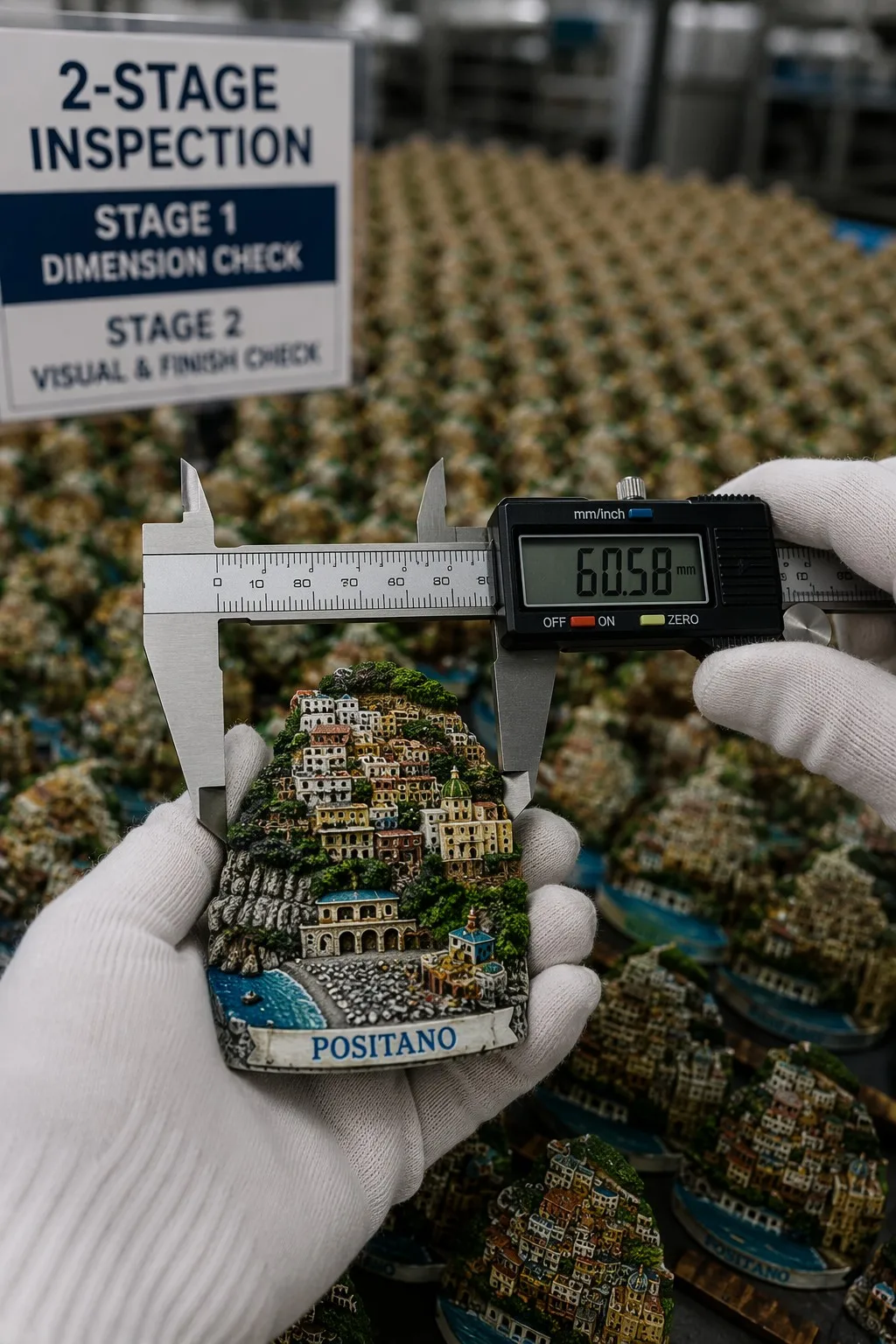
Stage 7: Automated vs. Manual QC for Bulk Orders
Quality control (QC) is not a single step but a continuous philosophy. In a professional souvenir magnet factory, every single piece is inspected by hand before packaging.
Compliance & Risk Management: The Strategic Side of Souvenir Sourcing
For international wholesalers, the risks of sourcing are often invisible until a shipment is held at customs or a product fails a safety test. Managing these risks requires a manufacturer who understands global quality standards.
Navigating Global Regulations: REACH, Prop 65, and GCC
The souvenir industry is subject to strict chemical compliance. In Europe, REACH regulations govern the use of hazardous substances. In the United States, California’s Proposition 65 requires clear warnings if products contain chemicals known to cause cancer or reproductive harm. A reliable bulk fridge magnets supplier will provide test reports from independent laboratories like SGS or Intertek to prove that their materials are safe for global markets.
Packaging Engineering: Reducing Breakage to <0.5%
Resin is inherently fragile, particularly in the form of glass snow globes or delicate figurines. Logistics breakage is a significant “hidden cost” in B2B sourcing. To mitigate this, we employ specialized packaging engineering, including custom-fit polyfoam inserts and double-walled master cartons. Our goal is to maintain a breakage rate of less than 0.5% even during long-distance sea freight or rough LCL (Less than Container Load) handling. For snow globe tumbler supplies, our testing is even more rigorous.
Why CraftMGF Stands Out: 11 Years of Manufacturing Wisdom
Choosing a supplier in a crowded market like China can be overwhelming. However, the difference between a trading company and a direct manufacturer is significant.
The “Factory-Direct” Advantage
By working directly with a manufacturer like CraftMGF, you eliminate the middleman’s markup and, more importantly, the communication gaps. You have direct access to the design team, the production manager, and the QC lead. This transparency is vital for OEM projects where every detail of the brand must be perfect.
Case Study: Scaling Production for a 100,000-Piece Project
A major European souvenir distributor approached us with a challenge: they needed 100,000 custom 3D magnets for a city-wide tourism campaign, delivered within 60 days. By utilizing our parallel mold-making capabilities and an optimized painting assembly line, we were able to deliver the full order on time, with a defective rate of less than 0.2%. This scale of production is only possible for a factory with a deep understanding of bulk resin keychains and magnet manufacturing.
Strategic Sourcing FAQ for B2B Buyers
Q: What is the typical Minimum Order Quantity (MOQ) for custom designs?
A: For custom 3D resin magnets and snow globes, the MOQ typically starts at 1,000 pieces per design. This allows us to amortize the cost of 3D modeling and mold creation, ensuring you get the best wholesale price.
Q: How do you handle mold fees for large orders?
A: For significant volume orders, we often waive the initial mold fee or credit it back once the production order reaches a certain threshold. This is part of our commitment to supporting the long-term growth of our B2B partners.
Q: What are the payment terms for first-time international buyers?
A: Standard practice is 30% T/T in advance for production to begin, with the remaining 70% balance paid against the Bill of Lading (B/L) copy. This provides a balance of security for both the factory and the importer.
Conclusion: Partnering for Profitability in 2026
The souvenir industry in 2026 is no longer about volume alone; it is about the intersection of art, technology, and commercial strategy. By focusing on high-precision 3D modeling, rigorous compliance, and artisanal hand-painting, retailers and wholesalers can command higher margins and build stronger brands.
As a dedicated resin souvenir manufacturer, Xinfeng Resin Craft (CraftMGF) is here to turn your creative concepts into high-turnover retail successes. Whether you are looking for a reliable factory for your next museum gift set or a strategic partner for a global souvenir brand, our 20+ years of expertise are at your disposal.
Contact us today to request a free sample pack and our 2026 product catalog.
Email: sales@craftmgf.com | Website: https://craftmgf.com/
The Strategic Shift: Why Resin Dominates the Mid-to-High End Souvenir Market
To truly understand why global souvenir buyers are doubling down on resin, we must look at the competitive landscape of souvenir materials. While plastic (PVC) and metal have their places, polyresin occupies a unique “sweet spot” that maximizes retail appeal while maintaining manageable production costs.
Polyresin vs. PVC: The Battle for the Souvenir Shelf
PVC is often favored for mass-produced, low-cost toys due to its flexibility and durability. However, for souvenirs that represent cultural landmarks or artistic figurines, PVC often feels “cheap.” Polyresin, on the other hand, provides a stone-like weight and a ceramic-like feel that immediately signals quality to a consumer.
When a customer holds a resin souvenir, the perceived value is significantly higher than a plastic alternative. This allows retailers to set a higher price point, directly impacting their bottom line. Furthermore, resin is far more receptive to intricate hand-painting, allowing for the subtle shading and “antique” washes that give a product a high-end, artisan look.
The Role of 3D Modeling in Product Success
The transition from traditional clay sculpting to digital 3D modeling has revolutionized the speed-to-market for souvenir wholesalers. In the past, creating a new design could take weeks of back-and-forth mailing of physical samples. Today, we can share high-resolution 3D renders that can be rotated 360 degrees, allowing for instant feedback.
This digital workflow is particularly beneficial for capturing complex architectural details. For instance, when creating a souvenir of a historic cathedral, digital sculpting allows us to replicate every arch, window, and statue with historical accuracy. This level of detail is a key selling point for museum gift shops and historical societies that demand high fidelity in their merchandise.
Advanced Marketing Strategies for Souvenir Retailers
Manufacturing a great product is only half the battle; the other half is how it is presented to the end consumer. As a factory with two decades of experience, we have observed what works best in the retail environment.
1. Storytelling Through Packaging
A souvenir is more than just an object; it is a memory. Custom packaging that tells the story of the product or the destination can significantly increase sales. We recommend using window-box packaging that allows the customer to see the intricate hand-painting while protecting the product from dust and handling. Including a small card inside that describes the manufacturing process—emphasizing the “hand-painted” and “artisan” nature—can turn a simple magnet into a collectible item.
2. Multi-Level SKU Strategy
To maximize shelf space and customer capture, we suggest a multi-level SKU strategy. For a single city landmark, a retailer should offer:
- The Entry-Level SKU: A high-quality 2D or semi-3D fridge magnet for the casual traveler.
- The Mid-Tier SKU: A detailed 3D magnet or a small keychain with intricate detailing.
- The Premium SKU: A high-end snow globe or a larger decorative figurine that serves as a centerpiece.
This tiered approach ensures that you capture every segment of the tourist market, from budget-conscious students to high-net-worth travelers looking for a luxury gift.
3. Leveraging Seasonal Trends
The souvenir market is highly seasonal. We work with our B2B partners to plan their production cycles at least 6 months in advance. For example, planning your Christmas-themed snow globes in June ensures that they are manufactured, inspected, and shipped in time for the peak holiday shopping season in November. This forward-thinking approach minimizes the risk of out-of-stock scenarios during your most profitable periods.
Logistics and Storage: Ensuring Product Longevity
The journey from a resin factory in China to a retail store in Europe or the US is long and full of environmental challenges. Proper logistics management is as important as the manufacturing process itself.
Environmental Controls During Shipping
Polyresin is sensitive to extreme temperature fluctuations, which can cause the paint to expand and contract, leading to micro-cracks over time. In snow globes, extreme cold can cause the liquid inside to freeze and crack the glass. We use thermal-insulated liners in our shipping containers when transporting fragile liquid-filled items during the winter months.
Humidity and Long-Term Storage
For wholesalers who hold large inventories, humidity control is vital. Resin products should be stored in a dry, well-ventilated warehouse. High humidity can, over time, affect the bonding of certain adhesive elements or cause the packaging to degrade. By maintaining a stable storage environment, you protect your investment and ensure that every product delivered to your retail clients is in mint condition.
Case Study Expansion: The 24-Year Manufacturer Journey
Xinfeng Resin Craft (CraftMGF) started as a small workshop in Quanzhou with a simple goal: to create the best souvenirs in the region. Over the last 24 years, we have grown into a global leader by staying true to our core values: quality, reliability, and innovation.
One of our proudest moments was partnering with a global hotel chain to create custom-branded snow globes for their VIP guests. This project required not only high-end aesthetics but also strict adherence to international safety standards, as the products were being shipped to over 50 different countries. We developed a proprietary “Anti-Leakage” sealing technology for the snow globes and used medical-grade water to ensure long-term clarity. This project cemented our reputation as the go-to factory for high-stakes, high-quality OEM resin crafts.
The Future of Resin Souvenirs: Sustainability and AI Design
Looking ahead to 2027 and beyond, the industry is moving toward even greater sustainability. We are currently experimenting with biodegradable resin alternatives and water-based, low-VOC (Volatile Organic Compound) paints to further reduce our environmental footprint.
Additionally, we are integrating AI-assisted design into our workflow. By using AI to generate initial concepts based on tourist trend data, we can help our clients identify the next “viral” souvenir design before it hits the mainstream market. This combination of 24 years of manual expertise and cutting-edge technology is what makes CraftMGF a leader in the B2B souvenir industry.
Final Procurement Checklist for B2B Buyers
Before you place your next bulk order for resin souvenirs, use this checklist to ensure you are getting the best value and protection:
- Material Safety: Does the factory use REACH/Prop 65 compliant resin and paint?
- 3D Precision: Can the factory provide digital 3D renders before mold-making?
- Hand-Painting Quality: Have you reviewed a physical sample to check for color bleed and gradient quality?
- Logistics Protection: Does the packaging meet international “Drop Test” standards?
- Factory Direct: Are you communicating with the actual manufacturer or a trading agent?
- Lead Time Assurance: Does the factory have a proven track record of meeting seasonal deadlines?
By partnering with a manufacturer who checks all these boxes, you don’t just buy a product—you secure your supply chain and ensure your retail success.
Ready to elevate your souvenir brand? Request your 2026 Xinfeng Resin Catalog and Free Sample Pack here.
Email: sales@craftmgf.com | Website: https://craftmgf.com/

- Resin Fridge Magnet Manufacturing Processes Compared: UV Printing, Screen Printing, Epoxy Dome & Hand-Painting (2026 Buyer’s Guide) - August 11, 2026
- How to Choose a Reliable Resin Souvenir Factory in China: A Comprehensive Audit Guide for B2B Buyers - August 5, 2026
- The Ultimate Guide to Sourcing Custom Resin Souvenirs: From Factory Design to Global Wholesale (2026 Edition) - July 29, 2026