Introduction
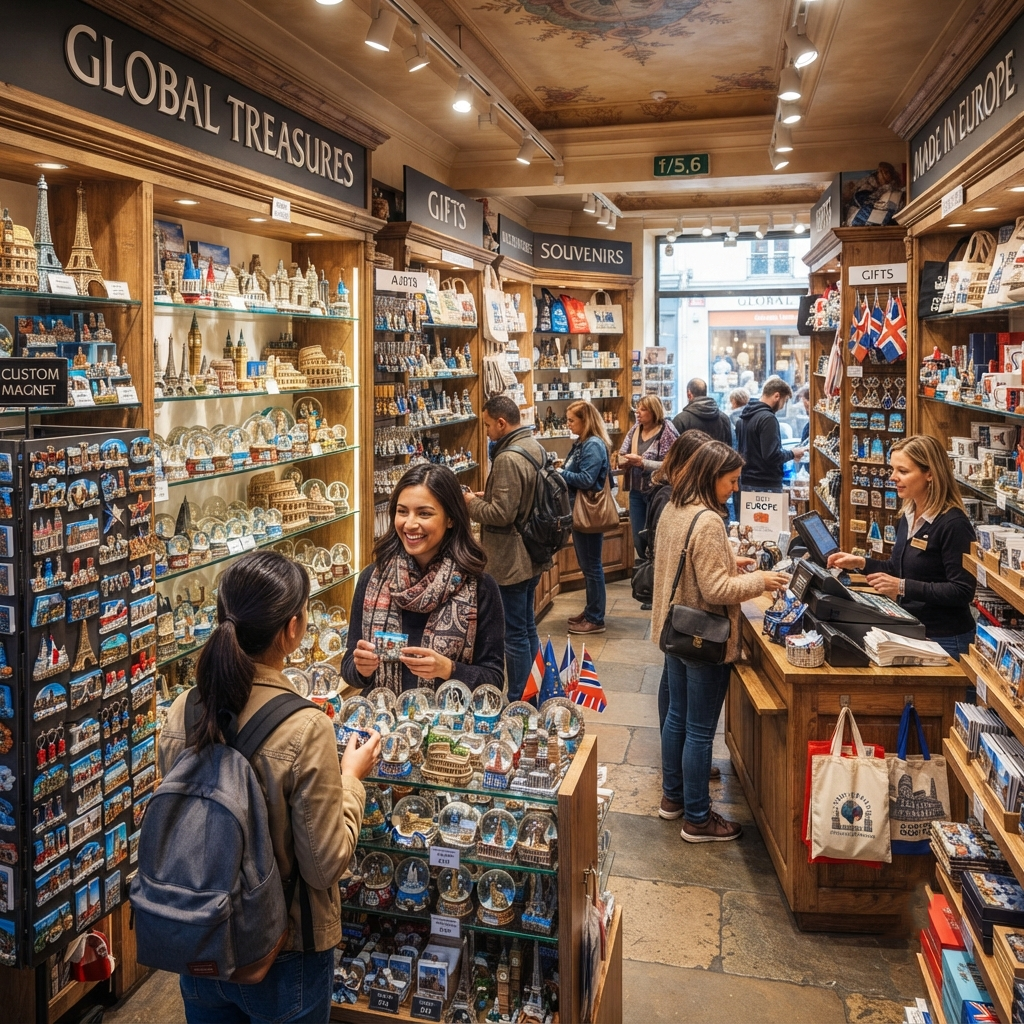
Walk into any successful tourist gift shop, and you will quickly notice something interesting. The products are not randomly selected.
The best-performing gift shops do not simply stock souvenirs. They build souvenir collections.
Every product works together to tell a story about the destination. The colors, themes, landmarks, wildlife, culture, and local identity are connected through a carefully planned merchandise strategy.
Unfortunately, many gift shop owners and souvenir buyers approach inventory selection differently. They purchase products individually, often based on supplier recommendations, personal preferences, or short-term trends.
The result is usually a collection of unrelated products that fails to create a memorable shopping experience.
A successful souvenir collection should do much more than fill shelves. It should help visitors relive their travel experience, encourage multiple purchases, strengthen destination branding, and increase profitability.
Whether you operate a museum gift shop, aquarium retail store, tourist attraction, cruise destination, island souvenir shop, or destination retail chain, understanding how to build a best-selling souvenir collection can dramatically improve retail performance.
Why Some Souvenir Collections Succeed While Others Fail
Many retailers assume that the success of a souvenir shop depends primarily on location and visitor traffic.
While foot traffic is certainly important, product selection often has a much greater impact on overall sales performance.
Successful souvenir collections typically share several characteristics:
- Strong destination identity
- Consistent visual themes
- Multiple price points
- High collectability
- Emotional appeal
- Easy portability
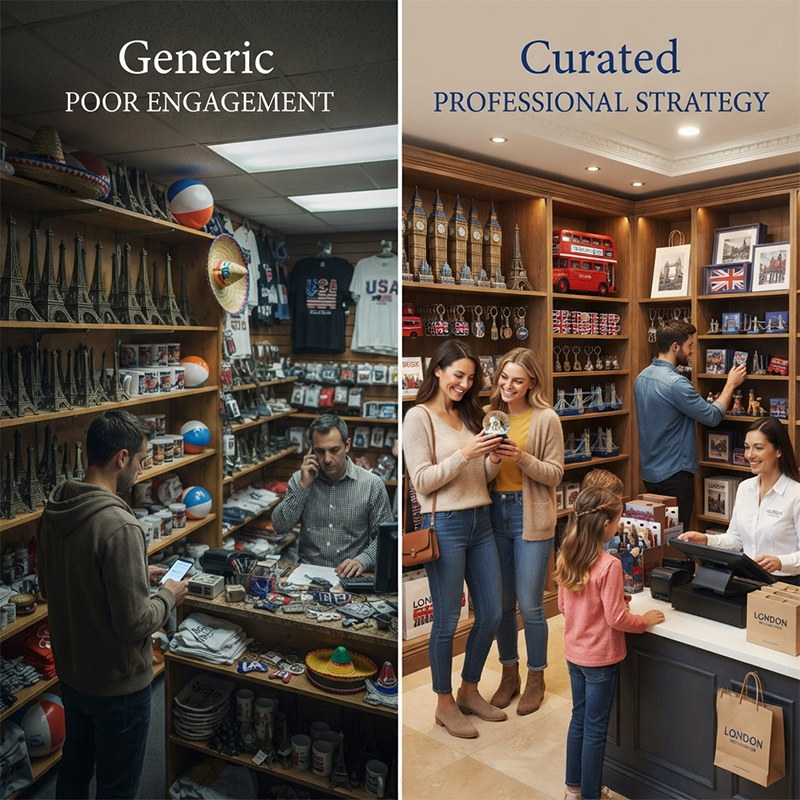
Poor-performing collections usually have the opposite characteristics.
Products feel generic.
Themes are inconsistent.
There is no clear destination story.
Customers struggle to understand what makes the products unique.
The difference between a successful and unsuccessful souvenir collection is often the difference between selling memories and selling objects.
Travelers buy memories.
They do not buy products.
The stronger the emotional connection between a souvenir and a travel experience, the stronger the purchasing motivation.
How Tourists Actually Make Souvenir Purchasing Decisions
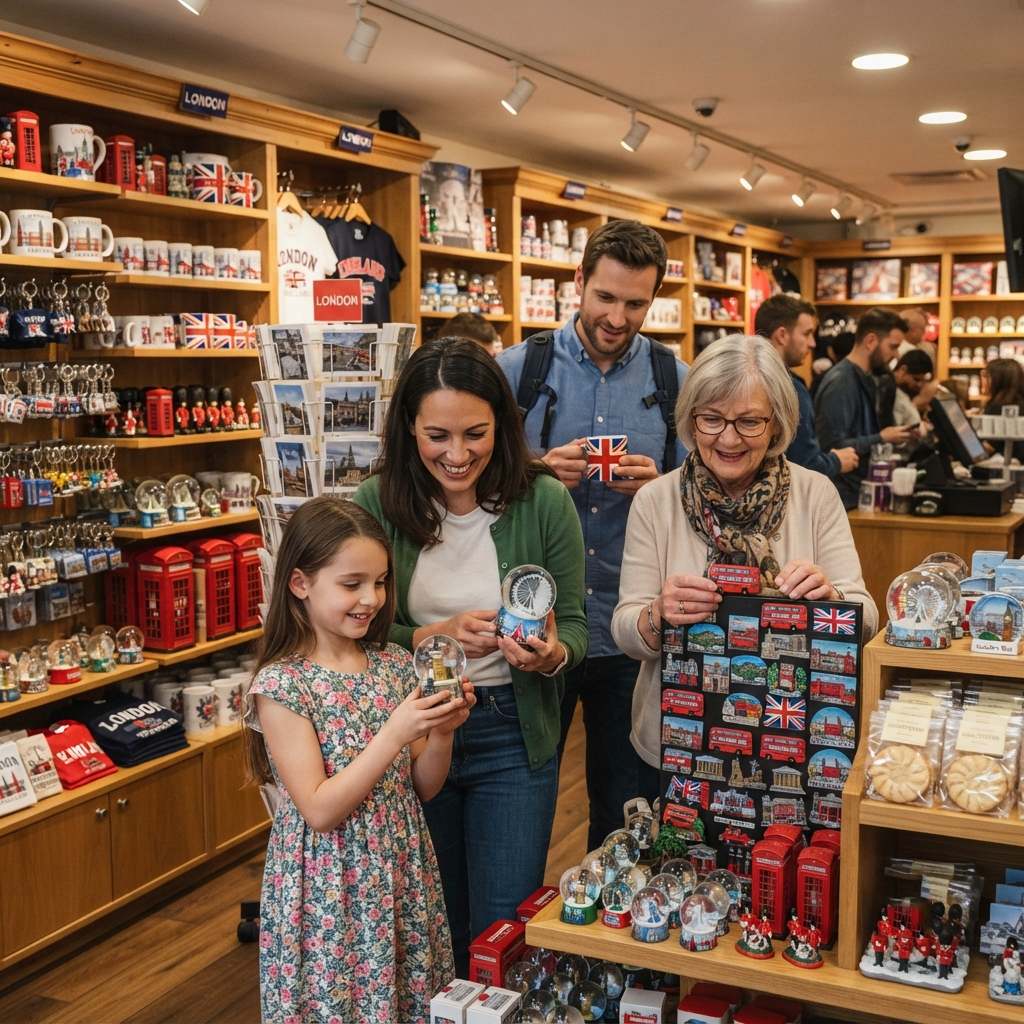
Understanding tourist psychology is one of the most important aspects of gift shop inventory planning.
Tourists generally purchase souvenirs for four primary reasons.
Memory Preservation
Visitors want something tangible that reminds them of their experience.
A well-designed souvenir allows travelers to reconnect with a destination long after returning home.
Gift Giving
Many tourists purchase souvenirs for friends, family members, and colleagues.
These products need to be affordable, lightweight, and easy to transport.
Collecting
Collectability is one of the strongest purchasing drivers in the souvenir industry.
Products such as:
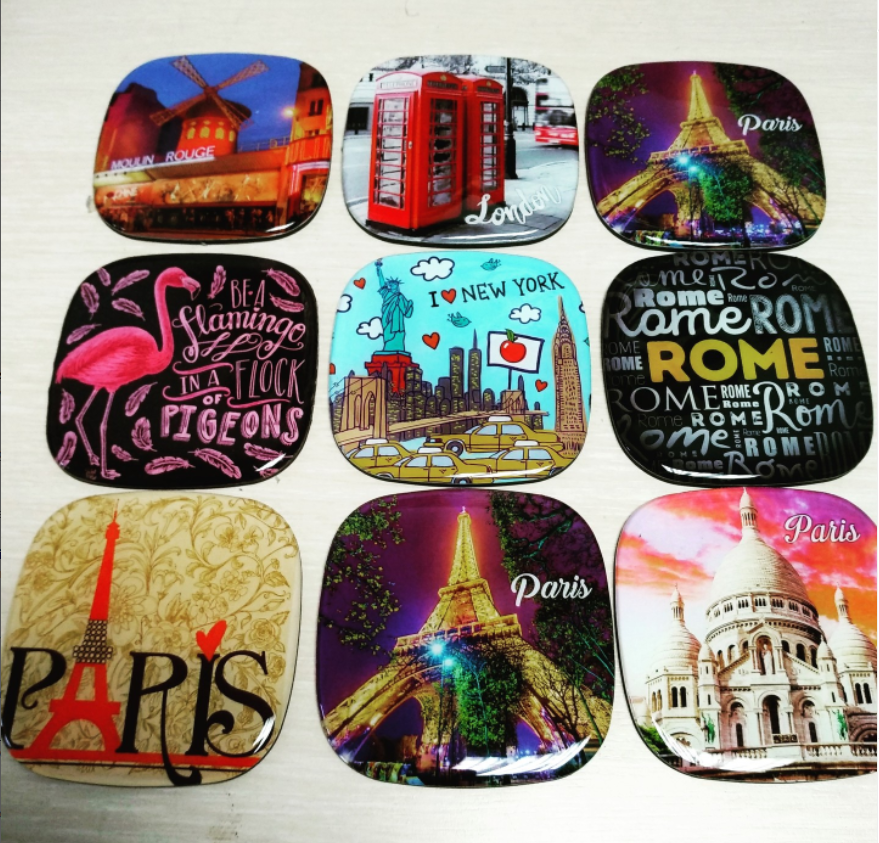
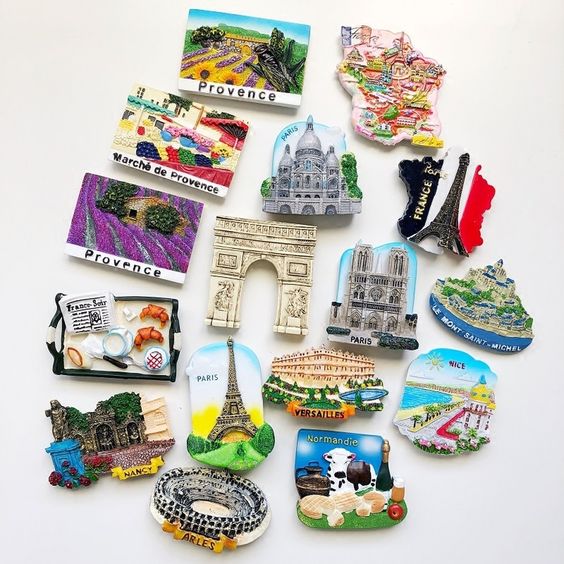
- Custom fridge magnets
- Keychains
- Snow globes
- Collectible figurines
often benefit from repeat purchasing behavior.
Many travelers actively collect souvenirs from every destination they visit.
Emotional Connection
Tourists are naturally attracted to products that represent a meaningful aspect of their trip.
This could include:
- Local wildlife
- Historic landmarks
- Cultural traditions
- Famous architecture
- Regional foods
- Local folklore
The stronger the emotional connection, the higher the perceived value.
The Psychology Behind Best-Selling Souvenirs
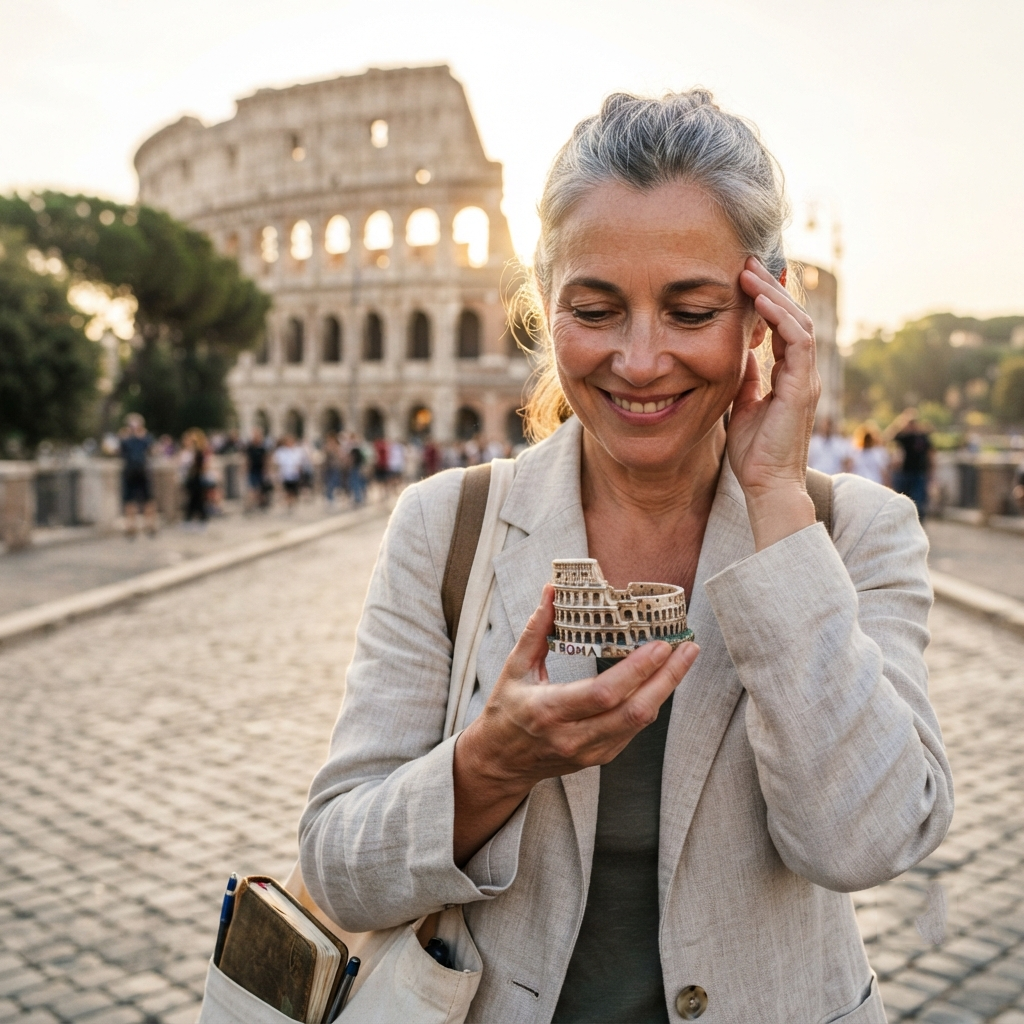
Best-selling souvenirs share several important characteristics.
They Represent the Destination
A souvenir should immediately communicate where it comes from.
Visitors should be able to identify the destination without reading a label.
They Are Easy to Carry
Travelers often have limited luggage space.
Compact products generally outperform larger products.
They Encourage Collecting
Collection-driven products often generate higher transaction values.
A traveler may purchase one magnet today but return for additional designs tomorrow.
They Create Display Value
After returning home, tourists want souvenirs that can be displayed and enjoyed.
This explains the continuing popularity of:
- Fridge magnets
- Snow globes
- Figurines
- Decorative ornaments
The Core Categories Every Gift Shop Should Carry
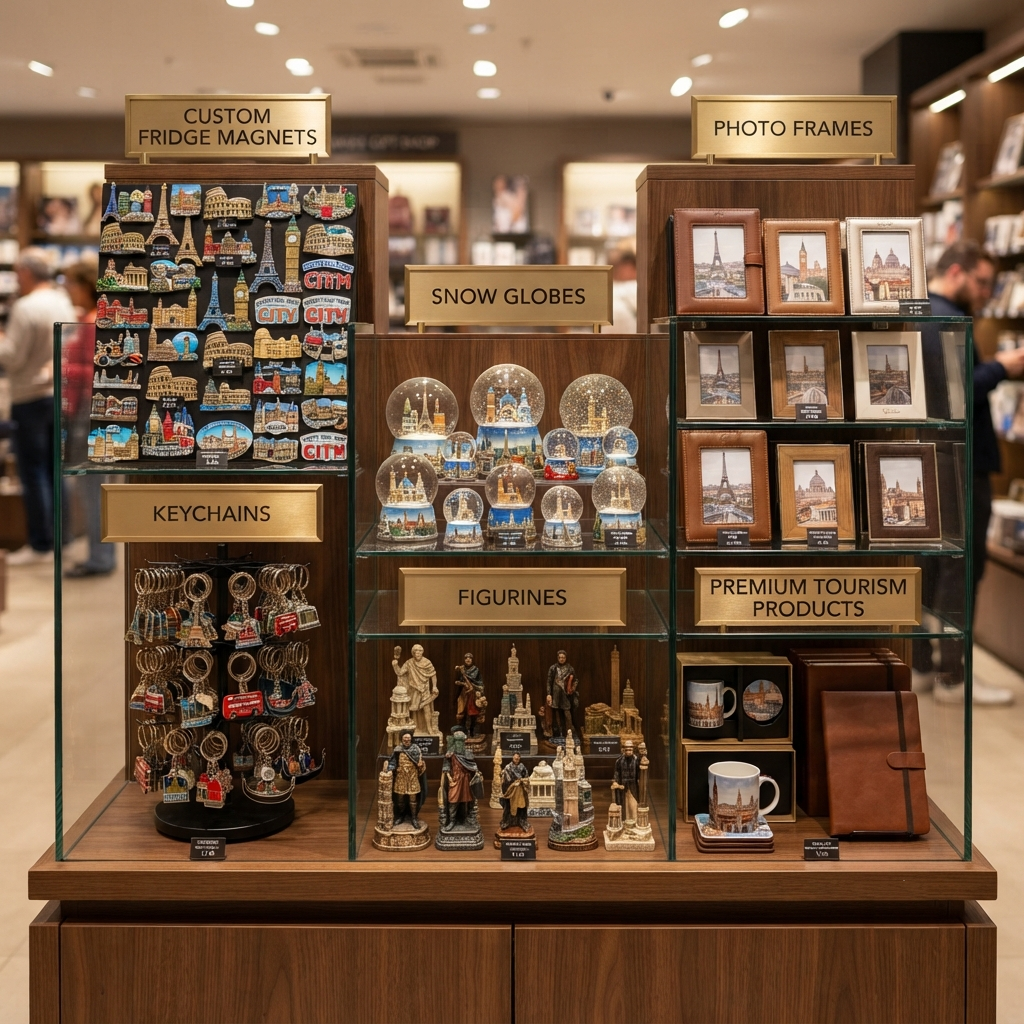
While every destination is unique, certain souvenir categories consistently perform well.
Custom Fridge Magnets
Fridge magnets remain the world’s most successful souvenir category.
Reasons include:
- Affordable pricing
- Easy shipping
- Strong collectability
- Excellent destination branding
- High display value
Many successful gift shops dedicate entire sections to magnet collections.
Souvenir Keychains
Keychains remain popular because they combine practicality and affordability.
They appeal to a wide range of tourists.
Snow Globes
Snow globes offer premium perceived value.
They are particularly effective in destinations focused on landmarks, architecture, and cultural heritage.
Souvenir Figurines
Figurines attract collectors and visitors seeking premium keepsakes.
Photo Frames
Photo frames connect directly with travel memories and remain popular in many tourism markets.
Why Fridge Magnets Remain the World’s Best-Selling Souvenir
Few products have achieved the global success of custom fridge magnets.
Unlike many souvenirs, magnets satisfy multiple consumer motivations simultaneously.
They are:
- Affordable
- Lightweight
- Collectible
- Decorative
- Destination-specific
Most importantly, magnets encourage collection building.
Many travelers display dozens of magnets from destinations they have visited.
This makes magnets one of the most effective destination branding products available.
Souvenir Product Performance Comparison
| Product Category | Collectability | Ease of Transport | Display Value | Purchase Frequency |
|---|---|---|---|---|
| Fridge Magnets | High | Excellent | High | High |
| Keychains | High | Excellent | Medium | High |
| Snow Globes | Medium | Moderate | High | Medium |
| Figurines | Medium | Moderate | High | Medium |
| Photo Frames | Medium | Moderate | Medium | Low |
This comparison demonstrates why custom fridge magnets continue to dominate souvenir retail worldwide.
How to Build a Souvenir Collection Instead of Selling Random Products
One of the biggest mistakes retailers make is purchasing individual products without considering how they fit together.
Successful retailers build collections.
Landmark Collection
Featuring famous attractions and monuments.
Wildlife Collection
Showcasing local animals, marine life, and natural ecosystems.
Cultural Heritage Collection
Highlighting architecture, traditions, festivals, and regional identity.
Food and Beverage Collection
Celebrating local cuisine and culinary experiences.
Seasonal Collection
Designed around holidays, festivals, and tourism events.
Collections encourage multiple purchases and strengthen visual merchandising.
Creating Destination-Themed Product Lines
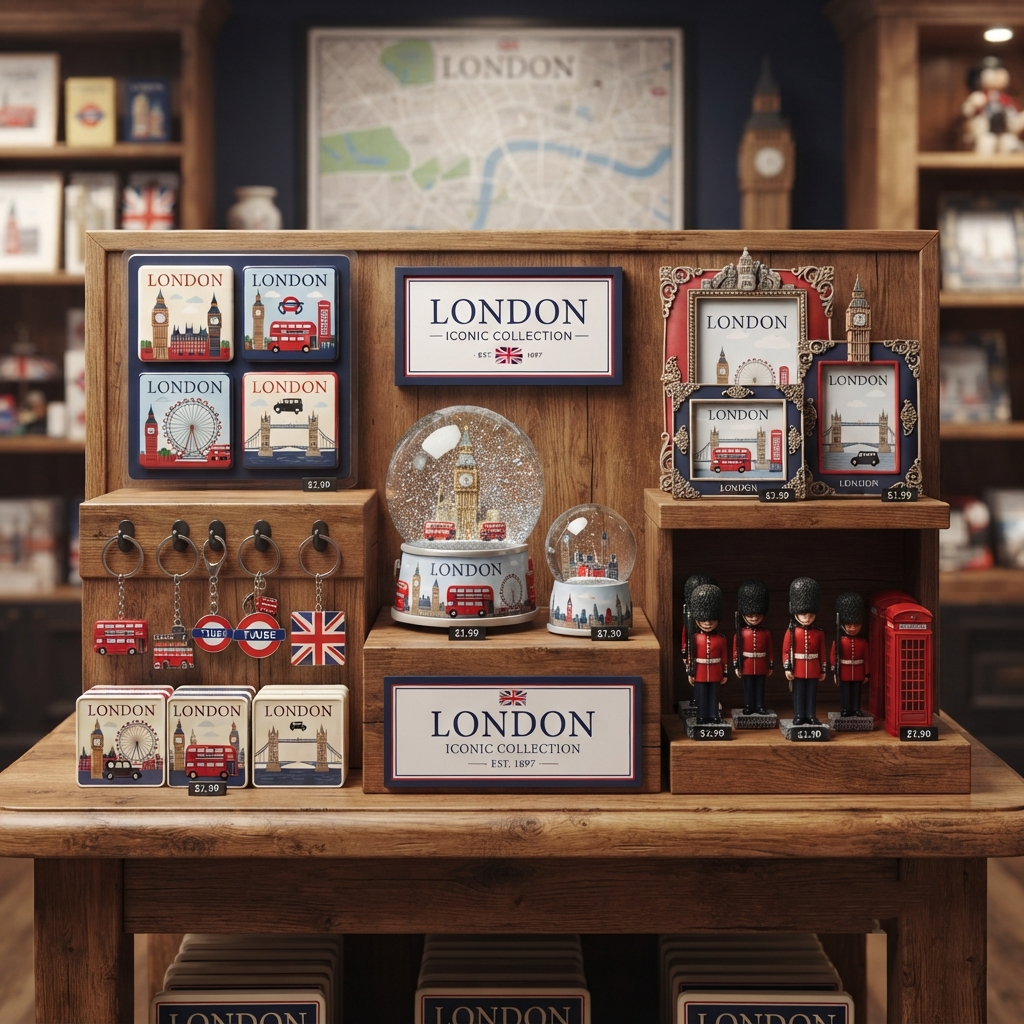
The strongest souvenir collections tell a unified story.
Consider a coastal destination.
Instead of offering unrelated products, a retailer might develop:
- Lighthouse magnets
- Marine wildlife figurines
- Ocean-themed snow globes
- Beach-inspired keychains
- Coastal photo frames
Each product reinforces the destination’s identity.
The result is a stronger retail experience and higher customer engagement.
How Museums Build Successful Gift Shop Collections
Museum gift shops rarely focus solely on souvenirs.
They focus on storytelling.
Products often connect directly to:
- Exhibitions
- Historical artifacts
- Cultural themes
- Educational content
Visitors are purchasing a continuation of the museum experience.
Gift shop merchandise becomes part of the learning journey.
This principle can be applied to almost any tourism destination.
How Aquariums Choose Their Souvenir Products
Aquarium gift shops provide another excellent example of strategic collection building.
Their best-selling categories often include:
- Marine wildlife magnets
- Ocean-themed snow globes
- Shark figurines
- Dolphin collectibles
- Educational souvenirs
Every product supports the aquarium’s brand and mission.
The consistency strengthens both retail performance and visitor engagement.
Inventory Planning for Small and Large Gift Shops
Not every gift shop requires hundreds of products.
Smaller retailers often achieve better results with carefully curated collections.
A balanced assortment should include:
Entry-Level Products
- Fridge magnets
- Keychains
- Stickers
Mid-Range Products
- Snow globes
- Decorative ornaments
- Collectible figurines
Premium Products
- Limited-edition collectibles
- Large figurines
- Exclusive destination merchandise
This pricing structure allows retailers to serve multiple customer segments.
Working With a Custom Souvenir Manufacturer
A strong supplier relationship can significantly improve product performance.
Experienced souvenir manufacturers understand:
- Destination branding
- Tourist behavior
- Product collectability
- Retail merchandising
The best suppliers provide support with:
- Design development
- Material selection
- Packaging solutions
- Quality control
- Production planning
This expertise can help retailers create more effective souvenir collections.
Common Mistakes That Hurt Gift Shop Sales
Several mistakes repeatedly appear across the souvenir industry.
Choosing Generic Products
Generic souvenirs rarely outperform destination-specific designs.
Ignoring Collection Strategy
Products should work together rather than compete against one another.
Focusing Only on Price
Low-cost products do not always generate the highest profits.
Carrying Too Many Similar Items
Excessive duplication creates confusion and weakens merchandising.
Neglecting Destination Storytelling
The strongest souvenir collections communicate a clear destination identity.
Future Trends in Tourist Souvenirs
Several trends are shaping the future of travel retail.
Story-Driven Merchandise
Travelers increasingly seek products with authentic narratives.
Premium Collectibles
Higher-quality products continue to gain popularity.
Sustainable Packaging
Environmentally conscious packaging is becoming more important.
Limited-Edition Collections
Exclusive products increase urgency and perceived value.
Personalized Souvenirs
Customization continues to grow across tourism markets.
Final Thoughts
The most profitable souvenir collections are not built around individual products. They are built around experiences.
Successful gift shops understand that travelers are purchasing memories, emotions, and stories rather than simply buying merchandise.
By combining destination branding, collection-based merchandising, strategic inventory planning, and high-quality custom souvenir products, retailers can create stronger customer experiences while increasing profitability.
Whether you manage a museum gift shop, aquarium store, island souvenir shop, tourist attraction retail outlet, or wholesale souvenir business, building a carefully planned souvenir collection remains one of the most effective ways to drive long-term retail success.
The best-selling souvenir collections do not happen by accident. They are designed with purpose, built around visitor psychology, and connected to the unique identity of the destination itself.

- Resin Fridge Magnet Manufacturing Processes Compared: UV Printing, Screen Printing, Epoxy Dome & Hand-Painting (2026 Buyer’s Guide) - August 11, 2026
- How to Choose a Reliable Resin Souvenir Factory in China: A Comprehensive Audit Guide for B2B Buyers - August 5, 2026
- The Ultimate Guide to Sourcing Custom Resin Souvenirs: From Factory Design to Global Wholesale (2026 Edition) - July 29, 2026