In the competitive theater of global travel retail, where every square inch of shelf space is fought for by giants like Dufry, Hudson, and Lagardère, the true battle for profit isn’t won on the sales floor. It is won in the shipping container.
For a Category Manager or an experienced souvenir importer, the unit price of a resin souvenir is only the starting point. The real challenge—and the most significant opportunity for profit margin optimization—lies in the physics of how that product travels from a China souvenir factory to a distribution center in London or New York.
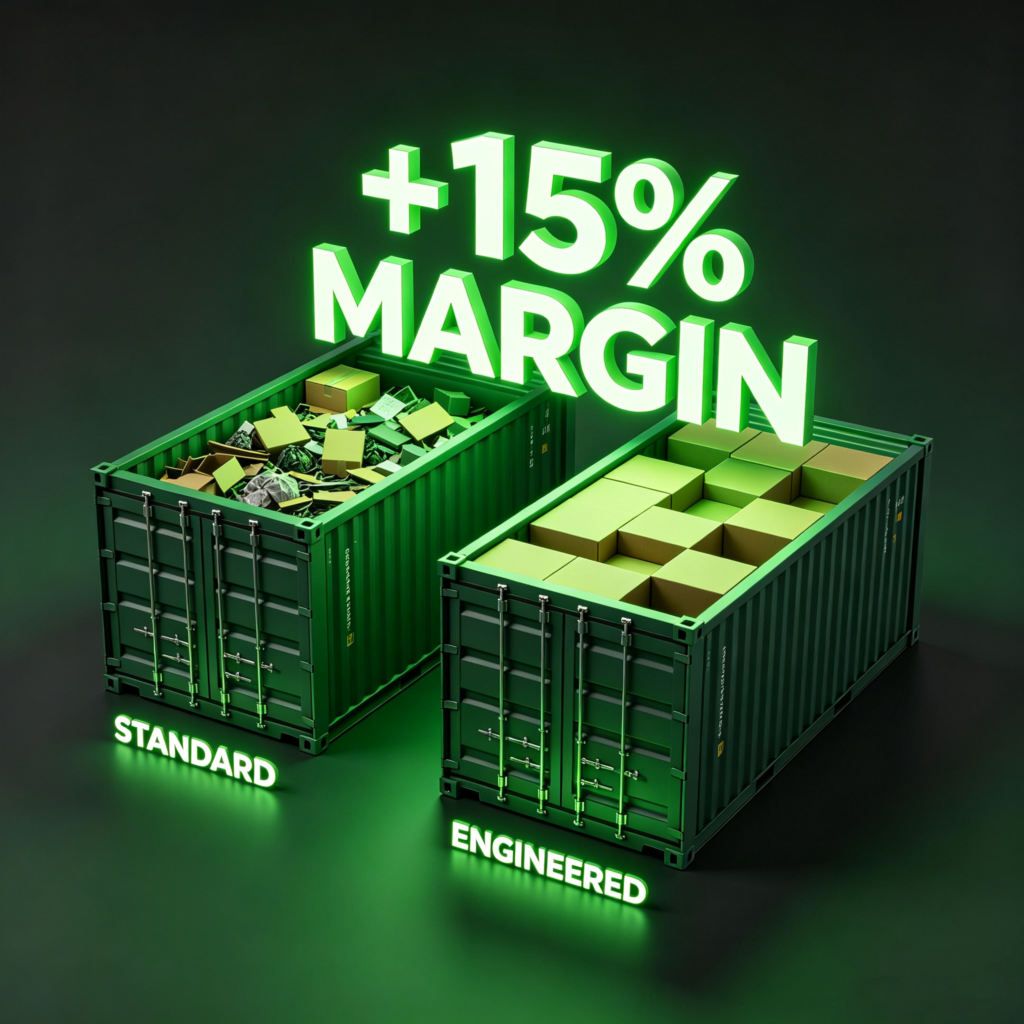
We are entering an era where “standard” packaging is no longer sufficient. In 2026, the silent killer of margins is the “Dead Air Tax”—the cost of shipping empty space across the ocean. At Craftmgf.com, we have seen that by applying rigorous packaging engineering, a brand can reduce its total landed shipping costs by a minimum of 15%. This isn’t just a logistical tweak; it is a fundamental shift in how we view manufacturing and wholesale souvenir distribution.
The Competitor Landscape: Why Standard Sourcing Advice is Leaking Money
When you search for “reducing shipping costs in manufacturing,” most SEO-driven content follows a superficial, low-value outline:
- Negotiate with Carriers: Talk to DHL or Maersk for better rates.
- Consolidate Shipments: Use LCL (Less than Container Load) wisely.
- Use Smaller Boxes: Don’t use a big box for a small item.
- Buy in Bulk: Lower the per-unit shipping cost.
The Skyscraper Expansion: The Engineering Edge
The standard advice treats packaging as an afterthought—something that happens after the product is made. Our “Ferris Wheel” approach deepens this by integrating packaging engineering into the souvenir product development phase. We aren’t just talking about “smaller boxes”; we are talking about:
- Volumetric Weight Optimization: Balancing the density of resin with protective geometry.
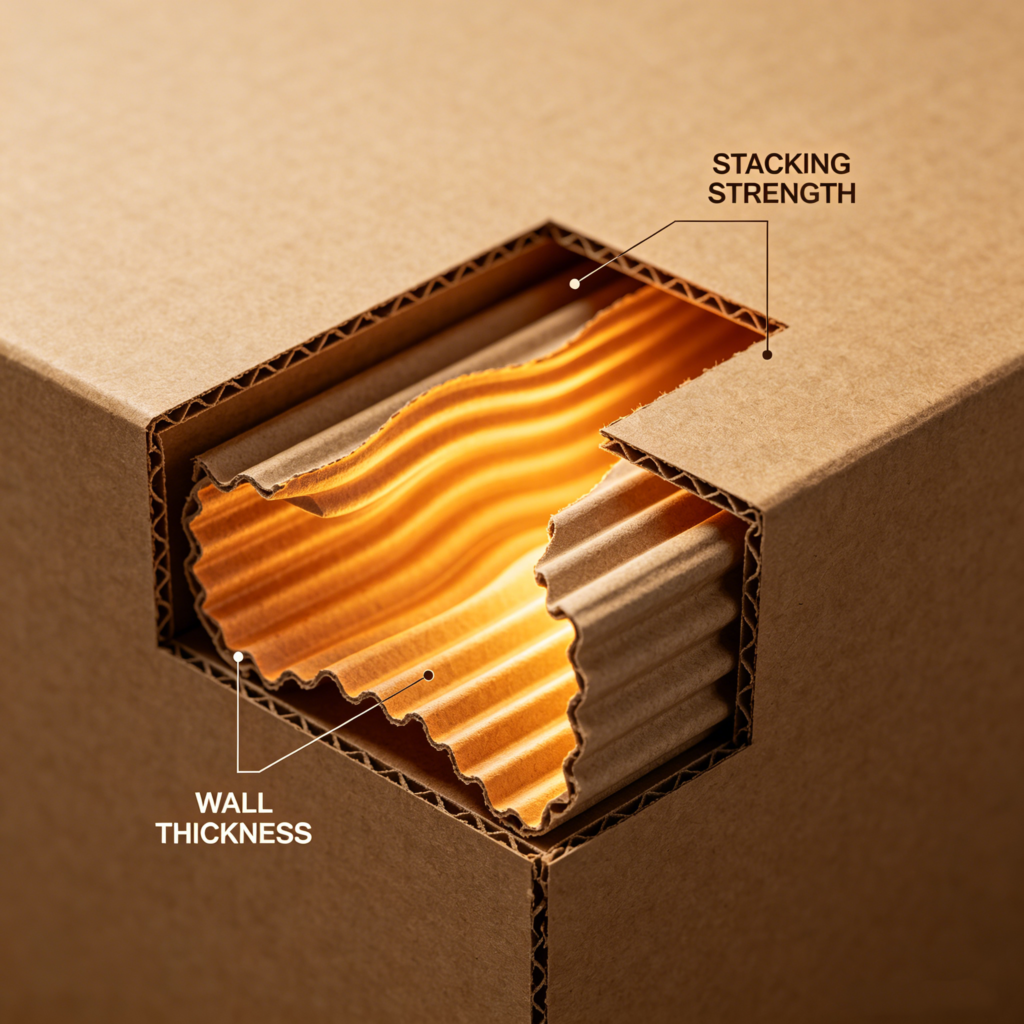
- Corrugated Flute Profiles: Selecting the right material strength to reduce wall thickness.
- Container Fill Rate (CFR): Engineering the master carton to fit the exact dimensions of a 40HQ container.
- Shelf-Ready Packaging (SRP): Reducing labor costs at the retail destination.
1. The Physics of Profit: Understanding Volumetric Weight vs. Actual Weight
In the world of resin souvenir manufacturing, weight is a double-edged sword. Resin is inherently dense and heavy, which provides a premium feel but increases shipping costs. However, carriers don’t just bill you for how much your shipment weighs; they bill you for the space it occupies. This is known as Volumetric Weight.
The Dead Air Trap
If your factory uses generic “one-size-fits-all” inner boxes, you are likely shipping 30% air. In a global souvenir supply chain, air is the most expensive commodity you will ever purchase.
- The Technical Fix: Engineering “Nesting” geometries. For products like 3D resin figurines or custom magnets, we design the inner protective molds (using eco-friendly molded pulp or EPE) so that the products can nest closer together without touching. This reduces the CBM (Cubic Meters) of the inner box without compromising safety.
Protection-to-Weight Ratio
A common mistake in souvenir quality control is over-packaging. To avoid breakage, a low-tech factory will simply add more bubble wrap. A technically refined factory will use Drop Test Simulation to determine the exact amount of protection needed. By reducing excess wrap and focusing on structural corrugated supports, we can shave grams off every unit. When multiplied by an order of 50,000 units, those grams turn into thousands of dollars in freight savings.
2. Corrugated Material Science: Beyond the Standard Brown Box
Most importers never ask about the “flute” of their boxes. They simply ask for “a strong carton.” This lack of specificity is a major margin leak.
Choosing the Right Flute Profile
In packaging engineering, the “flute” refers to the wavy layer between the liners of a corrugated box.
- The B-Flute vs. C-Flute: C-flute is common but thicker (approx. 4.0mm). B-flute is thinner (3.0mm) but offers excellent crush resistance.
- The Optimization: By switching from a C-flute to a high-strength B-flute, you can reduce the outer dimensions of your master carton by several millimeters. While this sounds negligible, it often allows you to fit an extra layer of cartons on a pallet, significantly increasing your Container Fill Rate.
Moisture Resistance and Structural Integrity
Resin souvenirs often travel through high-humidity maritime environments. Standard cardboard loses its structural integrity when damp, leading to “carton collapse” at the bottom of a container. When cartons collapse, the products break, and your Total Landed Cost (TLC) skyrockets. We utilize moisture-resistant liners (KLB – Kraft Liner Board) that allow for thinner walls with higher stacking strength, ensuring the product arrives in pristine condition while keeping the CBM low.
3. Data Deep Dive: The 15% Margin Expansion Analysis

To prove the impact of packaging engineering, let’s look at a real-world scenario: An order of 40,000 custom resin snow globes being shipped from Quanzhou to Los Angeles.
| Metric | Standard Factory Packaging | CraftMGF Engineered Packaging | Financial & Operational Impact |
| Inner Box Dimensions | 12x12x15 cm | 10x10x13 cm | 35% reduction in individual volume. |
| Units per Master Carton | 24 Units | 36 Units | Increased density per carton. |
| Total CBM (40,000 units) | 64 CBM (Over 1 Container) | 52 CBM (1 Container) | Saved the cost of a second LCL shipment. |
| Container Fill Rate (CFR) | 85% | 98% | Maximized use of paid freight space. |
| Freight Cost per Unit | $0.42 | $0.34 | 19% Direct Shipping Cost Saving. |
| Damage/Breakage Rate | 3% (Due to shifting) | <0.5% (Precise fit) | Significant reduction in retail returns. |
| Total Shipping Savings | Baseline | $16,000+ | Approx. 15.5% reduction in total TLC. |
The Math of the “Extra Layer”
The most dramatic savings happen when engineering allows for one extra layer of cartons in a 40HQ container. Standard containers have an internal height of 2.69 meters. If your “standard” pallet stack is 1.4 meters high, you can’t double-stack them. By engineering the box height to 1.3 meters, you can double-stack, effectively halving your pallet footprint. This is the difference between a manufacturing partnership and a simple vendor relationship.
4. Containerization Logic: Palletization vs. Floor Loading

For large-scale wholesale souvenir distribution, the decision of how to load the container is a financial one.
Palletized Shipments (The Professional Choice)
For groups like Dufry or Hudson, palletization is often mandatory for fast unloading. However, pallets take up space.
- The Optimization: We use Slip Sheets instead of traditional wooden pallets for certain high-volume routes. Slip sheets are thin plastic or fiberboard sheets that require a “push-pull” attachment on a forklift. They take up almost zero vertical space, allowing for more product in the container while still maintaining the speed of mechanized unloading.
Floor Loading (The Volume Choice)
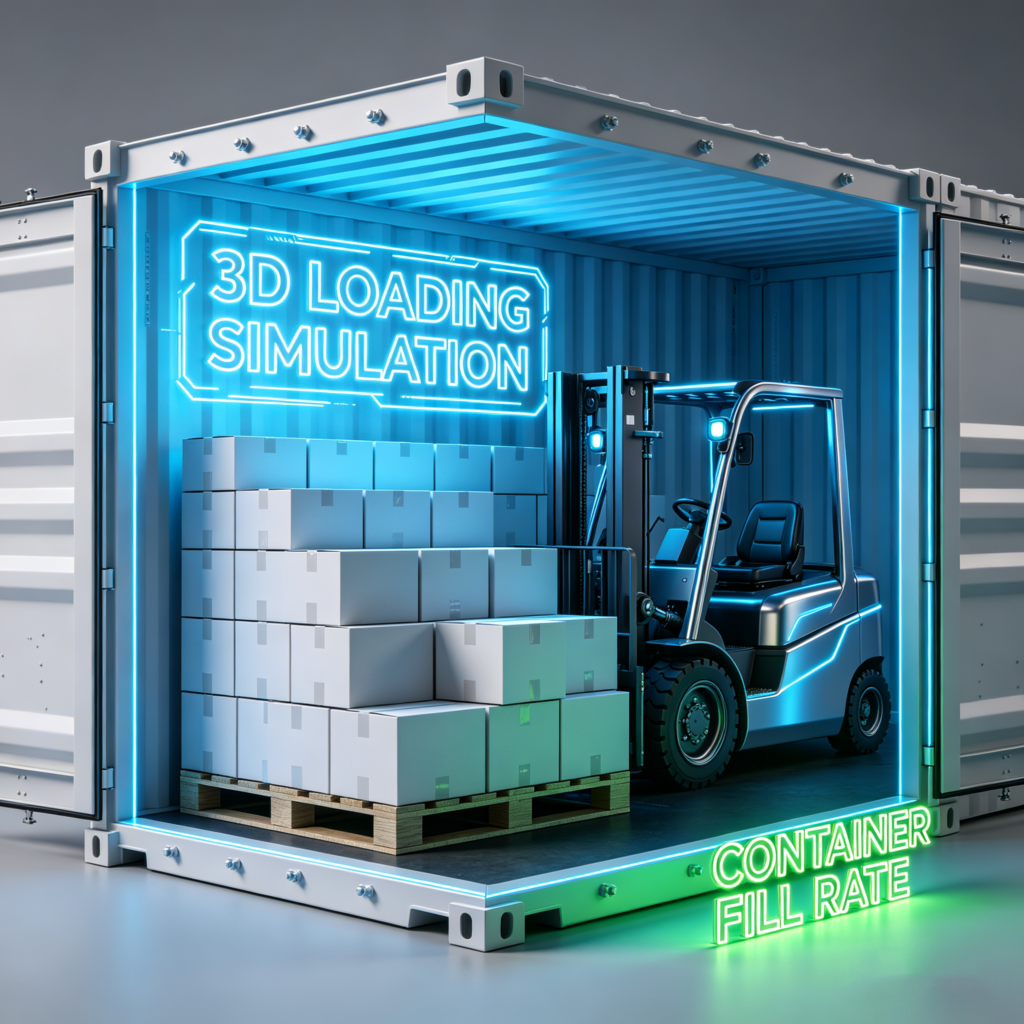
If your distribution center can handle manual unloading, floor loading maximizes every cubic inch. In 2026, we utilize 3D Loading Software to calculate the exact orientation of different-sized master cartons to ensure zero “dead zones” in the container. This level of supply chain risk mitigation ensures that the load is stable and won’t shift during rough sea crossings, preventing damage without the need for expensive dunnage (padding).
5. Shelf-Ready Packaging (SRP): Reducing “Hidden” Destination Costs
Shipping costs don’t end when the container hits the port. The cost of labor to unpack and display products at the airport or resort is a significant part of the Total Landed Cost.
The “One-Touch” Strategy
By engineering the inner boxes to function as Shelf-Ready Packaging (SRP), we reduce the labor time for retail staff.
- Design: The inner box has a perforated “tear-away” section. The retail worker simply removes the top, and the box becomes a branded display tray.
- Impact: This reduces the need for secondary display units and cuts down on waste disposal at the retail site. For a brand manager, this makes your product more attractive to retailers because it lowers their operational costs.
6. Sustainable Packaging: The “Eco-Efficiency” Loop

In 2026, sustainable corporate gifts are the standard. However, there is a misconception that “Eco-friendly” means “More Expensive.” In packaging engineering, sustainability and cost-reduction are often the same thing.
Right-Sizing as a Sustainability Goal
The most sustainable box is the one that uses the least material. By “right-sizing” the packaging to the product, we:
- Reduce Paper Waste: Lowering the environmental footprint of the packaging itself.
- Lower Carbon Emissions: Fewer containers are needed to move the same amount of product.
- Eliminate Plastics: We replace EPS (Styrofoam) with molded pulp made from recycled sugarcane or bamboo. Molded pulp is thinner and stackable (nestable), which saves massive amounts of space in the factory warehouse before the product is even packed.
The Marketing Value of “Minimalism”
Modern travelers—especially Gen Z and Millennials—are repulsed by excessive packaging. A green supply chain souvenir that arrives in a compact, recycled, and smartly engineered box has a higher perceived value than one encased in layers of plastic. You aren’t just saving 15% on shipping; you are increasing the brand equity of your product.
7. Strategic Sourcing: Vetting Your Factory’s Engineering IQ
If you are an experienced souvenir importer, your vetting process for a China souvenir factory or custom souvenirs manufacturing Vietnam must evolve. Stop asking for the lowest unit price; start asking for the lowest Engineered Landed Cost.
Questions to Ask a Potential Manufacturing Partner:
- “Can you provide a 3D container loading simulation for this order?”
- “What flute profile do you recommend to minimize CBM while maintaining a 5-high stacking strength?”
- “Do you perform ISTA (International Safe Transit Association) drop tests in-house?”
- “Can you design the inner box for Shelf-Ready Packaging to reduce my retail labor costs?”
At Craftmgf.com, these aren’t “extra” services; they are part of our manufacturing partnership expert DNA. Passive communication is a major trap; technical refined data is the requirement.
Conclusion: Turning Logistics into a Competitive Weapon
The 15% reduction in shipping costs isn’t found in a single magic bullet. It is found in the accumulation of millimeters, the selection of flute profiles, and the mastery of container geometry. For the innovative brand manager, packaging engineering is the ultimate tool for profit margin optimization.
By focusing on the Total Landed Cost, you move away from the commodity-pricing war and into a strategic position where your supply chain is as sophisticated as your designs. Sourcing is a memories business; manufacturing is a data business.
Is your current supplier shipping air at your expense? Contact Craftmgf.com today for a “Packaging Audit” of your top-selling items. Let us engineering a more compact, more sustainable, and significantly more profitable future for your souvenir catalog.

- Souvenir Magnet Program Planning: What Actually Sells for Museums, Parks & Tourism Boards - October 20, 2026
- Custom Fridge Magnet Sampling and Proofing: The B2B Guide to Approving a Sample (2026) - October 15, 2026
- Custom Mold Ownership & Design IP Protection for Souvenir Magnets: A B2B Buyer’s Guide (2026) - October 9, 2026