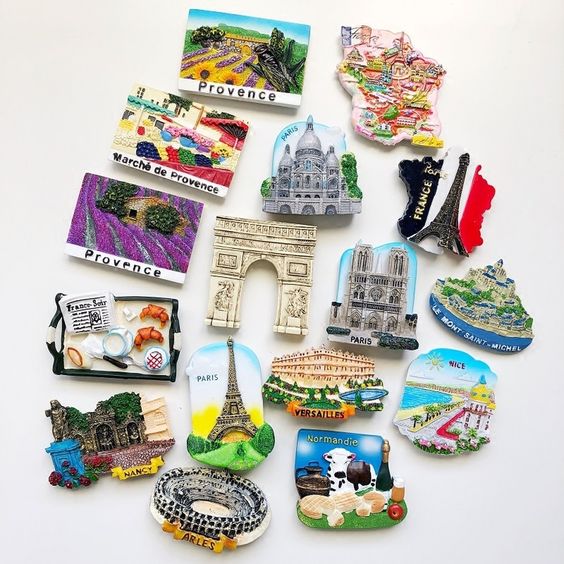
In the high-velocity world of Global Travel Retail (GTR), the stakes for brand reputation have never been higher. For category managers at industry titans like Dufry, Hudson, or Lagardère, a souvenir is no longer just a $15 impulse buy; it is a physical representation of a brand’s values. As we navigate 2026, the baseline for entry into these prestigious retail spaces has shifted.
Many importers believe that holding a BSCI (Business Social Compliance Initiative) audit report is the finish line. In reality, it is merely the entry ticket. To truly secure a spot in the world’s premier airports and resorts, suppliers must look Beyond BSCI.
At Craftmgf.com, we recognize that social compliance is not a static certificate; it is a dynamic risk-mitigation strategy. This deep dive explores the technical and ethical layers required to build a resilient, 2026-ready supply chain that satisfies both the board of directors and the modern, conscious traveler.
The Competitor Landscape: Why “Standard” Advice Fails the Big Business
A survey of current SEO content regarding “social compliance in manufacturing” typically follows a superficial path:
- What is BSCI? (Basic definition).
- The 13 Principles. (Copy-pasted from the Amfori website).
- Benefits. (Better reputation, fewer strikes).
- How to find a factory. (Look for the logo on Alibaba).
The Skyscraper Expansion: Why This Article is Different
This standard approach fails to address the “Duty of Care” required by billion-dollar retail groups. Passive sourcing relies on a piece of paper; strategic sourcing relies on transparency and operational integrity. We are expanding the conversation to include:
- The “Audit-only” Trap: Why a “Grade A” report can hide systemic risks.
- Modern Slavery Act Compliance: Aligning with 2026 international legal mandates.
- The Intersection of Social and Quality: How ethical labor directly impacts AQL 2.5/4.0 standards.
- Tier 2 Transparency: Monitoring the ethics of raw material suppliers (resin, paint, packaging).
1. The BSCI Trap: Understanding the Difference Between Compliance and “The Certificate”
The most significant mistake an experienced souvenir importer can make is treating a BSCI audit as a “set and forget” document.
The Limitation of Point-in-Time Audits
A BSCI audit is a snapshot. It tells you how a factory performed on a specific Tuesday in October. However, the global souvenir supply chain is seasonal. A factory that is compliant in the “off-season” may resort to excessive overtime or unauthorized subcontracting during the peak production months for summer tourism.
To move Beyond BSCI, a manufacturing partnership must involve continuous monitoring. At Craftmgf.com, we advocate for a “Living Compliance” model. This means moving beyond the annual audit and implementing monthly internal reviews of labor hours and wage parity. For a global retail group, a single scandal involving “hidden” overtime at a supplier’s factory can lead to a PR disaster that costs millions in lost contracts.
Corrective Action Plans (CAP) as a Growth Tool
The value of an audit isn’t the grade; it’s the Corrective Action Plan (CAP). A factory that receives a “C” grade but demonstrates a rigorous, documented process for fixing issues is often a safer long-term partner than a “Grade A” factory that has plateaued. High-level category managers look for suppliers who embrace the CAP process as a technical refined optimization of their management systems.
2. The 2026 Regulatory Landscape: Modern Slavery and ESG Mandates
By 2026, the legal environment surrounding wholesale souvenir distribution has become significantly more punitive. The UK Modern Slavery Act, the German Supply Chain Due Diligence Act (LkSG), and evolving EU-wide mandates have placed the legal burden of “ethical discovery” directly on the importer.
From “Should Have” to “Must Have”
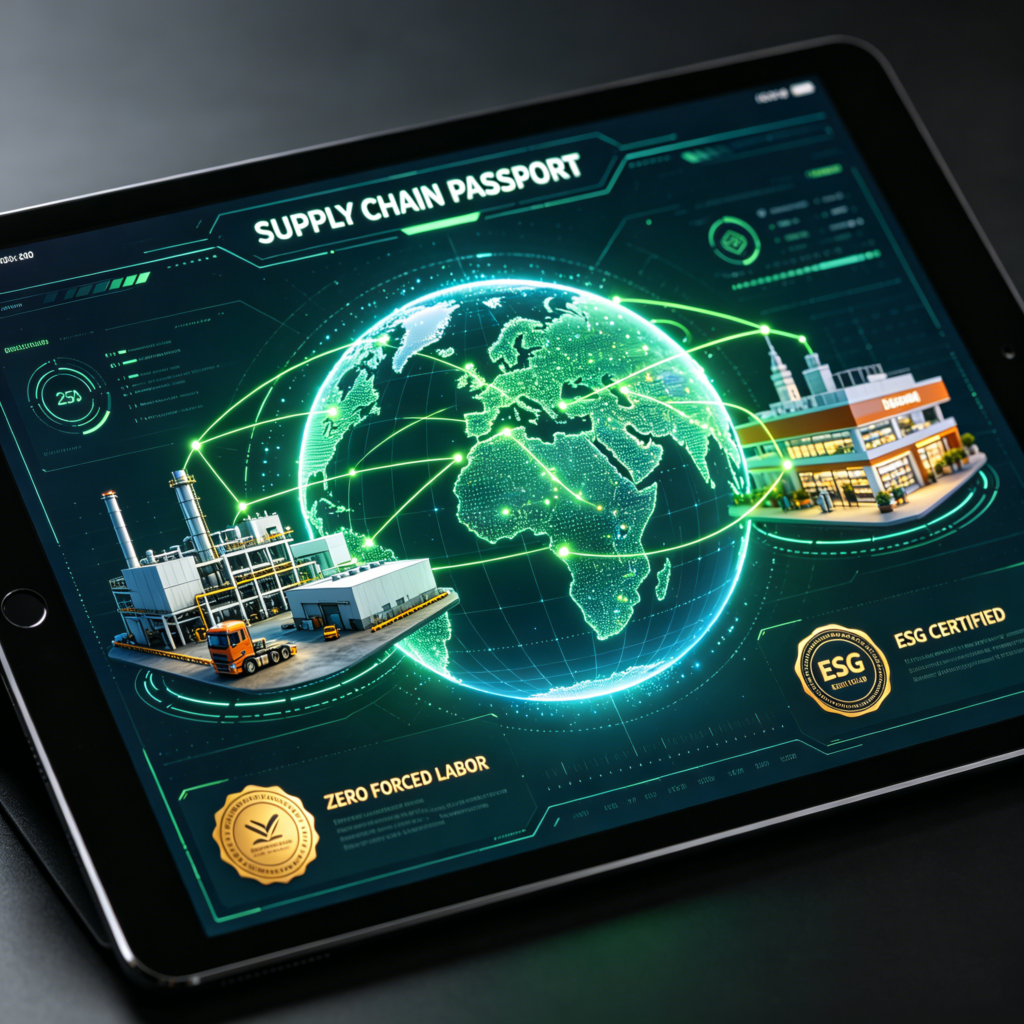
In the past, social compliance was a “nice to have” for marketing. Today, it is a legal requirement for market access. Global travel retail suppliers are now required to provide digital “Supply Chain Passports” that prove their products are free from forced labor at every stage—from the chemical plants producing the resin to the China souvenir factory performing the hand-painting.
Transparency as a Competitive Advantage
Importers who proactively map their supply chains—identifying their Tier 1 (assembly), Tier 2 (components), and Tier 3 (raw materials) providers—are winning the largest contracts. This level of transparency isn’t just about ethics; it’s about supply chain resilience. If you know exactly where your resin comes from, you are better prepared for price shocks or material shortages.
3. Global Travel Retail (GTR) Specific Requirements: What Dufry and Hudson Actually Want

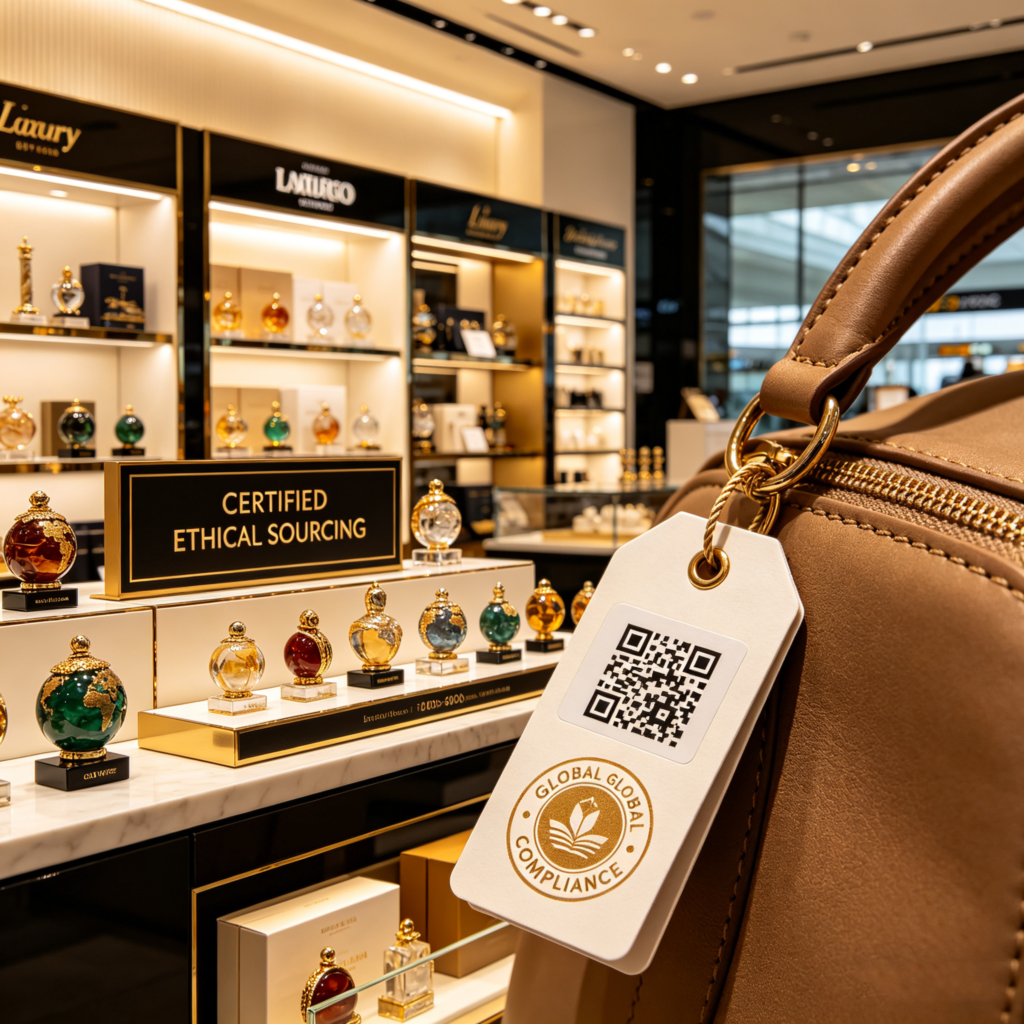
Major airport retailers have internal “Codes of Conduct” that often exceed the standard BSCI requirements. When sourcing custom souvenirs, understanding these specific nuances is critical.
The “Zero-Tolerance” List
Major GTR groups typically have a zero-tolerance policy for:
- Unauthorized Subcontracting: This is common in the souvenir industry, where a “certified” factory secretly sends orders to a “non-certified” workshop to meet deadlines.
- Inconsistent Documentation: If a factory’s production records don’t match their payroll records, they are instantly disqualified.
- Environmental Health & Safety (EHS) Gaps: This includes lack of proper ventilation in resin-casting rooms or inadequate fire exits.
ESG Reporting Integration
By 2026, sustainable corporate gifts must be backed by carbon and social data. Brand managers are looking for suppliers who can feed data directly into their ESG (Environmental, Social, and Governance) reports. A supplier who can provide quantified data on “Living Wage” initiatives or “Local Community Investment” is providing a service that goes far beyond manufacturing—they are providing corporate value.
4. The Data: The Financial Correlation Between Ethics and Quality

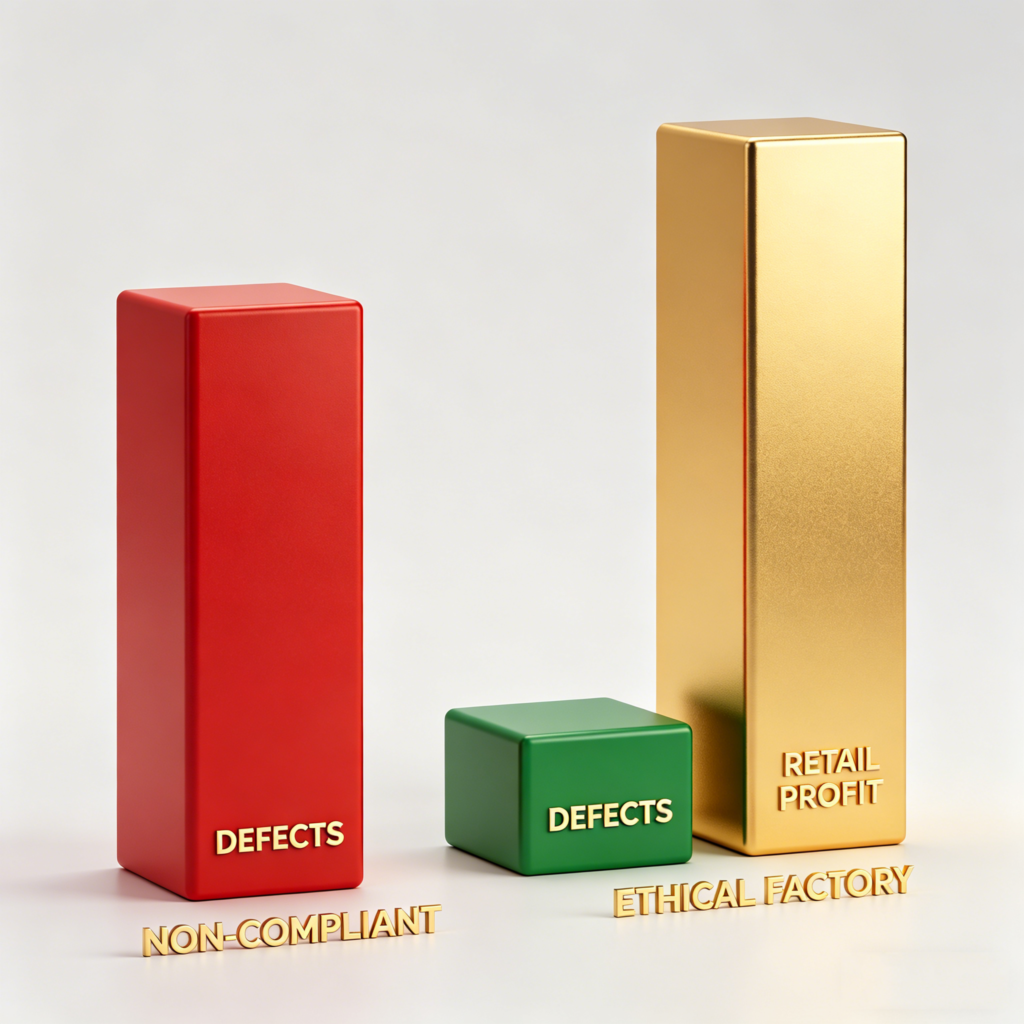
There is a persistent myth that “ethical factories are more expensive.” A Total Landed Cost (TLC) analysis proves the opposite. Factories that invest in social compliance almost always have lower defect rates and higher operational efficiency.
| Performance Metric | Non-Compliant / Low-Cost Factory | Beyond BSCI / Ethical Factory (Craftmgf) | Business Impact |
| Staff Turnover Rate | 35% – 50% Annually | <10% Annually | High turnover leads to loss of skill and higher defect rates. |
| AQL Pass Rate (First Time) | 88% | 98.5% | Lower turnover means experienced painters and casters. |
| Hidden Overtime Risk | High (leads to fatigue errors) | Zero (Regulated shifts) | Fatigue is the #1 cause of souvenir quality control failures. |
| Subcontracting Risk | Frequent (uncontrolled) | None (Full vertical control) | Ensures 100% material compliance (No lead/toxic paints). |
| Supply Chain Disruptions | High (Labor disputes/strikes) | Minimal (High worker satisfaction) | Ensures on-time delivery for peak tourism seasons. |
| Unit Price Delta | Baseline | +3% to 7% | The “Ethics Premium” is offset by 15% lower defect costs. |
Analyzing the “Ethics Premium”
As shown in the table, the 3-7% increase in initial unit price is a strategic investment. When you factor in the Total Landed Cost, the ethical factory is actually cheaper. A low-cost, non-compliant factory carries the hidden costs of rework, re-testing, and the risk of catastrophic contract termination. Sourcing is a memories business; manufacturing is a data business. Proactive sourcing is the strategy.
5. Intersectionality: Social Compliance and Material Innovation

A truly sustainable souvenir production model doesn’t separate “people” from “planet.” In 2026, the trend of Eco-Embeds and Bio-Resins must be supported by ethical labor.
The “Greenwashing” Gap
If a souvenir is made of 100% recycled ocean plastic but produced in a factory that violates child labor laws, the product is toxic to the brand. Brand retailers are increasingly looking for “Holistic Compliance.” * Case Study: A tourism souvenir importer orders a line of soy-based bio-resin figurines. To ensure the “Green” story holds up, the manufacturer must provide a BSCI report for the assembly factory and an environmental audit for the bio-polyol supplier.
At Craftmgf.com, we integrate our green supply chain souvenir initiatives with our social audits. We believe that a product isn’t “premium” unless the hands that made it were treated with dignity. Passive calculation is a major trap; holistic auditing is the requirement.
6. How to Audit for Social Compliance “Beyond the Paperwork”
For the experienced souvenir importer, vetting a resin souvenir manufacturer Quanzhou or a Vietnam-based facility requires a forensic approach.
Step 1: The “Unannounced” Walkthrough
The most effective way to see the truth is to visit the factory (or hire a 3rd-party inspector) on a day when an audit is not scheduled. Look at the worker’s faces, the cafeteria food quality, and the state of the dormitories.
Step 2: The Worker Voice
A modern social compliance program includes a “Whistleblower” or “Grievance Mechanism.” Does the factory have a way for workers to report issues anonymously? If not, the BSCI report is likely missing the “Human Element.”
Step 3: Technical Refined Material Lineages
Ensure that the factory’s packaging engineering and material sourcing are part of the audit. Social compliance extends to the subcontractors who make the boxes and the printers who make the labels. Sourcing from a generic factory is purely intuitive; strategic sourcing is a data process.
7. Conclusion: The Competitive Edge of Radical Integrity
The Global Travel Retail market of 2026 has no room for “opaque” supply chains. For brand managers at Hudson, Dufry, and major wholesalers, the choice is clear: partner with suppliers who view social compliance as a fundamental engineering requirement, not a bureaucratic hurdle.
Moving Beyond BSCI is about moving from a “Vendor” relationship to a Strategic Manufacturing Partnership. It is about protecting your brand from the “Hidden Invoice” of ethical failure. It is about ensuring that every souvenir sold in a world-class airport tells a story of craftsmanship, innovation, and respect.
Passive exporting is a Major Trap; turn economic headwinds into strategic tailwinds by building a supply chain based on radical integrity. Sourcing is a memories business; manufacturing is a data business. Let’s turn your social compliance into a powerful marketing and operational asset.
Ready to upgrade your supply chain to the 2026 standard? Contact Craftmgf.com today for a Deep-Dive Compliance Audit of your current souvenir catalog. Let’s engineering a future that is both profitable and principled.

- Souvenir Magnet Program Planning: What Actually Sells for Museums, Parks & Tourism Boards - October 20, 2026
- Custom Fridge Magnet Sampling and Proofing: The B2B Guide to Approving a Sample (2026) - October 15, 2026
- Custom Mold Ownership & Design IP Protection for Souvenir Magnets: A B2B Buyer’s Guide (2026) - October 9, 2026