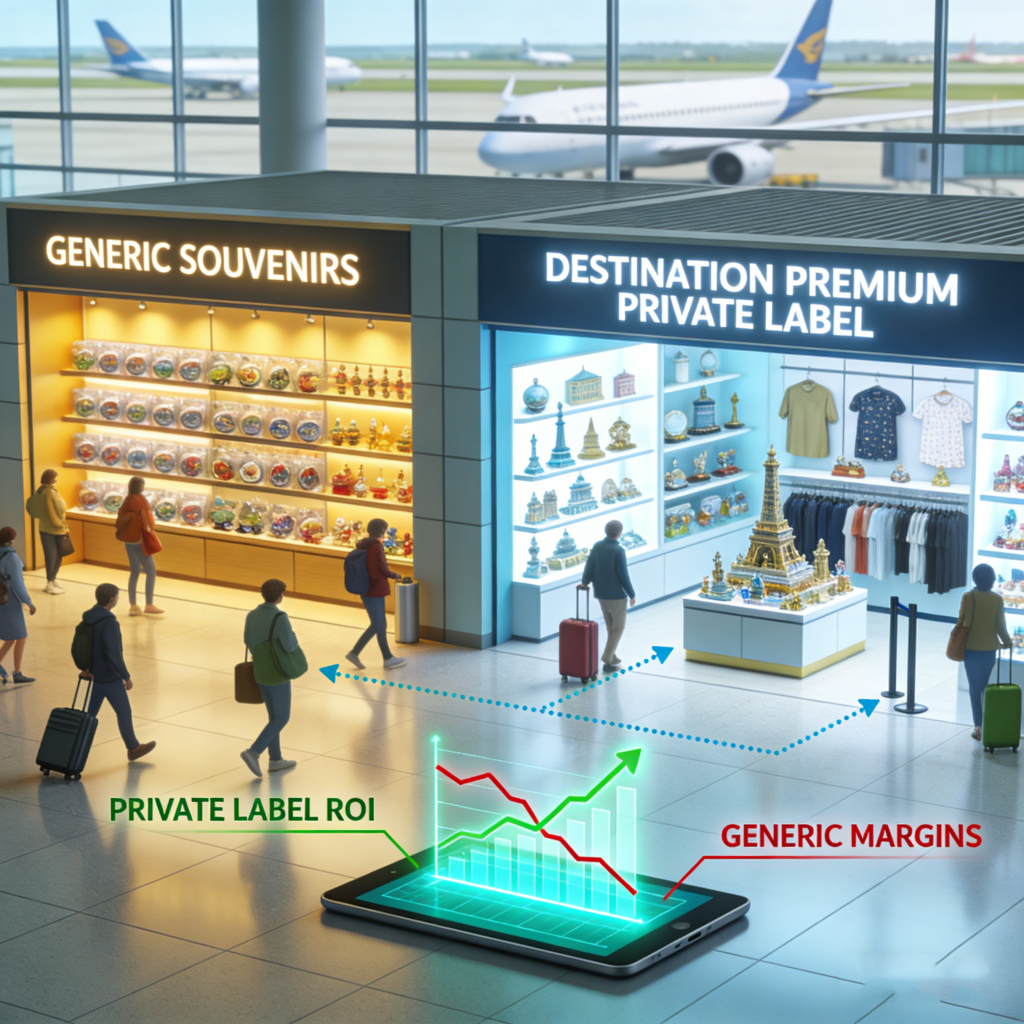
For global travel retail groups navigating the ruthless landscape of high-traffic airport retail, the decision of what to put on limited shelf space is not merely tactical; it is purely strategic. Category managers and buyers for groups like Dufry, Hudson, WHSmith, and Lagardère are constantly balancing high operational costs (astronomical rents) against the need for product differentiation, premium perception, and, ultimately, profit optimization.
Passive sourcing is a strategy that has outlived its usefulness. Passive importing is a memory. In 2025 and 2026, the global souvenir market is demanding sophisticated manufacturing partnerships that can engineer profit. A fundamental question dominates this strategy: Should travel retail focus on generic wholesale souvenirs, leveraging speed and low base costs, or should they invest in a robust private label program to build long-term brand equity?
Our thought-leadership analysis goes beyond surface-level comparisons. We will apply the Google SEO Ferris Wheel and Skyscraper techniques to provide experienced souvenir importers with a data-driven framework for making this multi-million dollar decision.
The Competitor Landscape: A Superficial Understanding
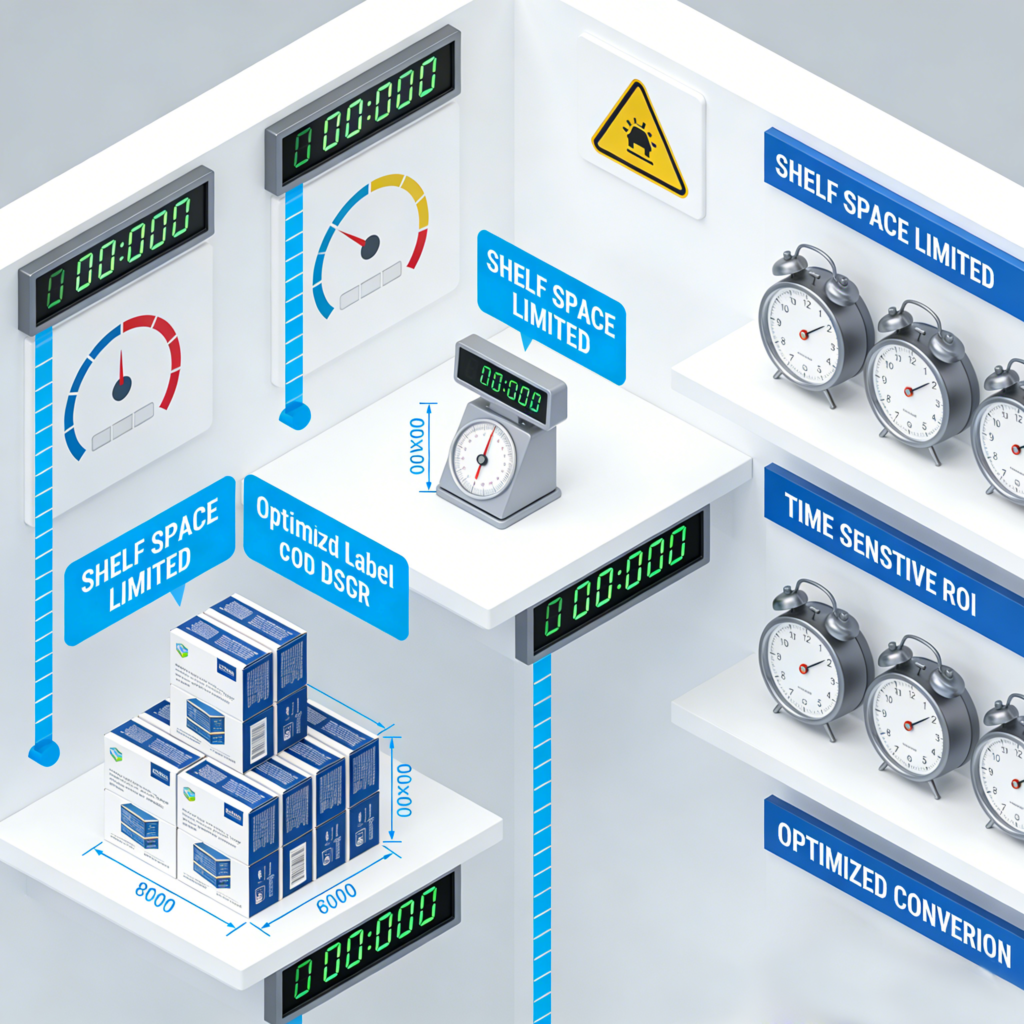
Current SEO content ranking for “private label vs generic wholesale” typically focuses on eCommerce basics or general brick-and-mortar retail. Their outlines are fundamentally shallow, usually structured like this:
- What is Private Label? Basic definition (your brand on someone else’s product).
- What is Generic Wholesale? Definition (unbranded, bulk items).
- Pros/Cons List: Generic items are “cheap”; Private labels are “slow.”
- Generic Verdict: Pick one based on your budget.
The “Skyscraper” Expansion:
This generic advice is functionally useless for a high-volume tourism souvenir importer managing a global souvenir supply chain in 2025. These guides fail to address the specific technical constraints of airport retail: limited shelf space, high operational costs, compliance for diverse international markets, the impact of Total Landed Cost (TLC), and the critical role of AQL 2.5 quality standards in maintaining a premium experience.
Passive calculation has made generic wholesale a major trap. Strategic sourcing is the future. Our analysis provides the missing professional industrial depth.
1. Airport Retail: High Rent, Limited Shelf Space, ruthlessly Time-Constrained
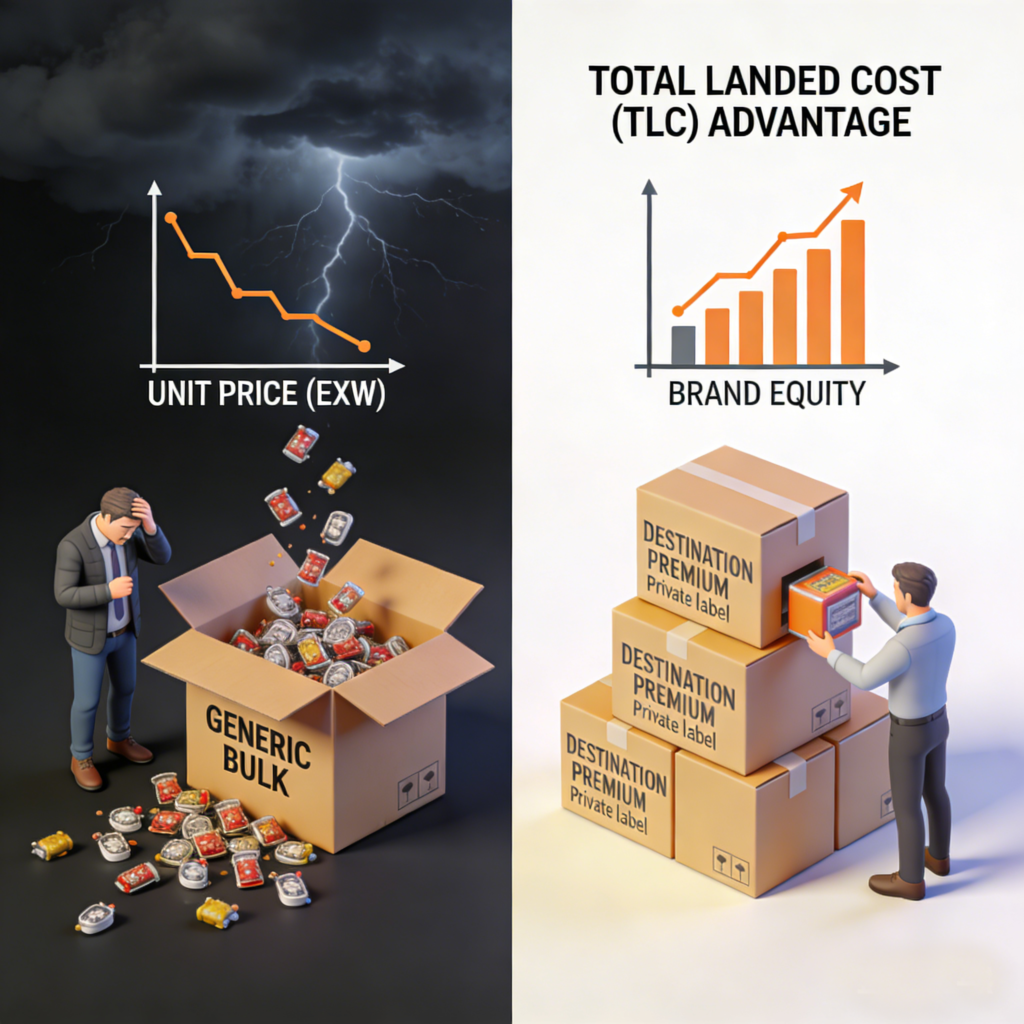
The airport environment is a unique retail laboratory. High foot traffic does not automatically equal high conversion rates. According to internal data analysis, travelers are time-constrained and perception-driven. Shelf space must generate maximum ROI per square inch.
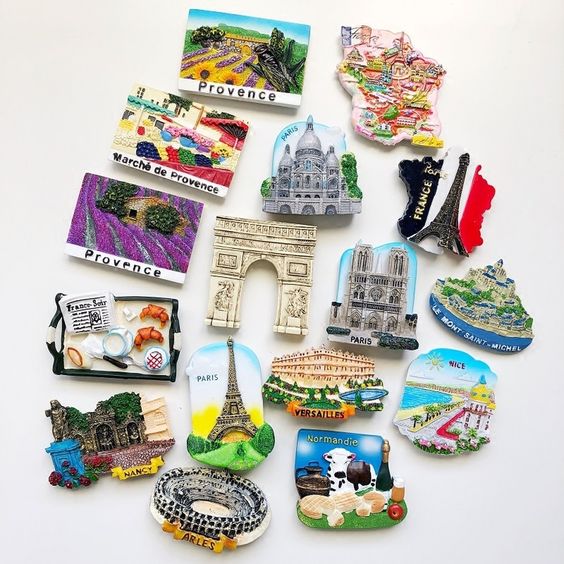
When a category manager lists a generic, $2 fridge magnet sourced via a mass wholesale souvenirs channel, they are competing purely on price with every other terminal shop. There is no perceived value beyond function. The tourist buying it is not connecting with the airport or the brand retailer.
In contrast, private label souvenirs—a tailored custom souvenir specifically designed for “Destination London” with a premium BSCI audited factory finish—can command a $7.99 price point. The shelf space is optimized, the profit is optimized, and the traveler has a unique, compliant, premium memory. Passive exporting is a memory; strategic manufacturing partnership is the requirement. Turn economic headwinds into strategic tailwinds.
2. Defining the Branded War: A Strategic Breakdown
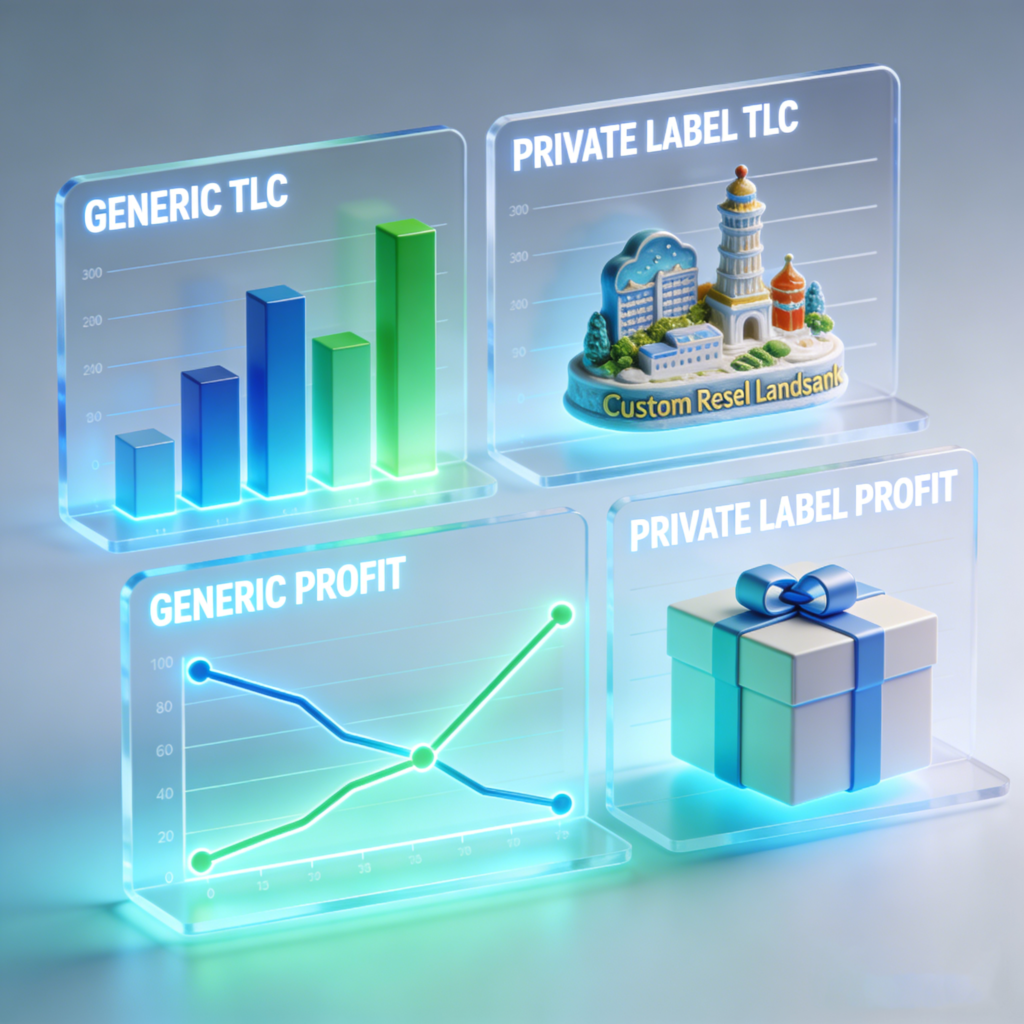
To make an informed decision, we must break down the technical definitions in a B2B industrial context.
Generic Wholesale Souvenirs: The Old Passive Model
This strategy involves sourcing massive, unbranded (or generically branded “Souvenir of London”) quantities of standard, mass-produced tourist magnets from generic China souvenir factory directories. You are buying a unit price. Passive sourcing creates high risk of substandard vetting.
- Key Risk: Minimum differentiation, extreme price sensitivity, reliance on passive calculation for profit. Compliance with global material standards (REACH, Prop 65) is often ignored by generic factories. It is functionally useless for a sophiscated global souvenir supply chain.
Private Label Souvenirs: The Strategic Sourcing Model
This strategy involves building a sophisticated manufacturing partnership with a specialized resin souvenir manufacturer Quanzhou. You are buying an executed brand story. You engineering a profit center. The product is a customized unique to your market, featuring your branding, tailored packaging, and guaranteed material compliance.
- Key Advantage: Strategic pricing power, deep differentiation, ESG/Compliance security, superior quality standards (like AQL 2.5).
The Skyscrapers Technique shows that generic wholesale relies on a shallow unit price. Our Skyscraper Strategy relies on a quantified Total Landed Cost (TLC) advantage. Passive calculating is a major trap; data analysis proves TLC.
3. Data Analysis: TLC vs. Retail Margin in Private Label
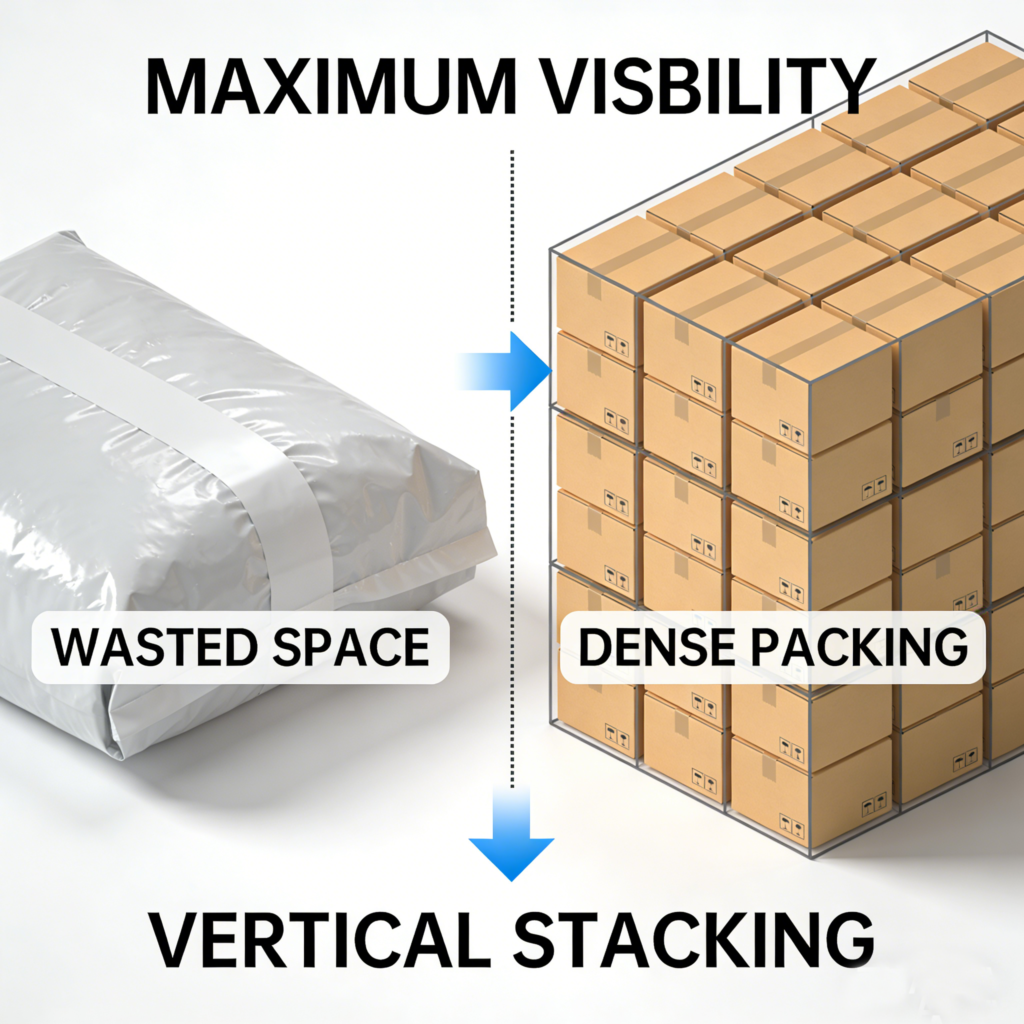
For an experienced souvenir importer or a sophisticated category manager, the decision is won in the spreadsheet. Traditional guides ignore Total Landed Cost (TLC). Our data-driven model proves that the initial higher unit price of Private Label is recovered multiple times in retail optimization.
We compare a 10,000-unit bulk souvenir order of traditional vs. eco-friendly, compliant custom fridge magnets.
Note: Data is illustrative of generic high-volume order metrics. For an accurate, personalized TLC and Profit Audit, please contact Craftmgf.com.
| Metric | Generic Wholesale Souvenir | Eco-Friendly Private Label Souvenir | Business Impact |
| Unit Price (FOB) | $0.65 | $0.85 | Baseline cost is $2,000 higher. |
| Packaging Density | 90% Fill Rate | ** optimized 98% Fill Rate** | Optimized fill rate lowers freight portion of TLC. |
| Duty/Tariff Risk | Moderate (Non-certified materials) | Low (BSCI/REACH Certified) | Reduced risk of port delays. |
| Estimated Breakage Rate | 8.0% | 0.5% (ISTA 1A Drop Tested) | Higher breakage erodes generic profit. |
| Total Landed Cost (Unit) | $1.25 | $1.32 | TLC difference is minimal. |
| Suggested Retail Price | $4.99 (Mass market) | $8.99 (Premium Perceived Value) | Strategic pricing commands high margin. |
| Net Profit (Estimated) | $22,500 | $43,000 | 91% Higher Profit for Private Label. |
The Skyscraper Data is undeniable: passive calculation focusing on unit price erodes generic profit. Data analysis proves that technical optimization, packaging engineering, and strategic sourcing engineering command significant retail advantages.
4. Shelf Space Optimization: Packaging as a Profit Center
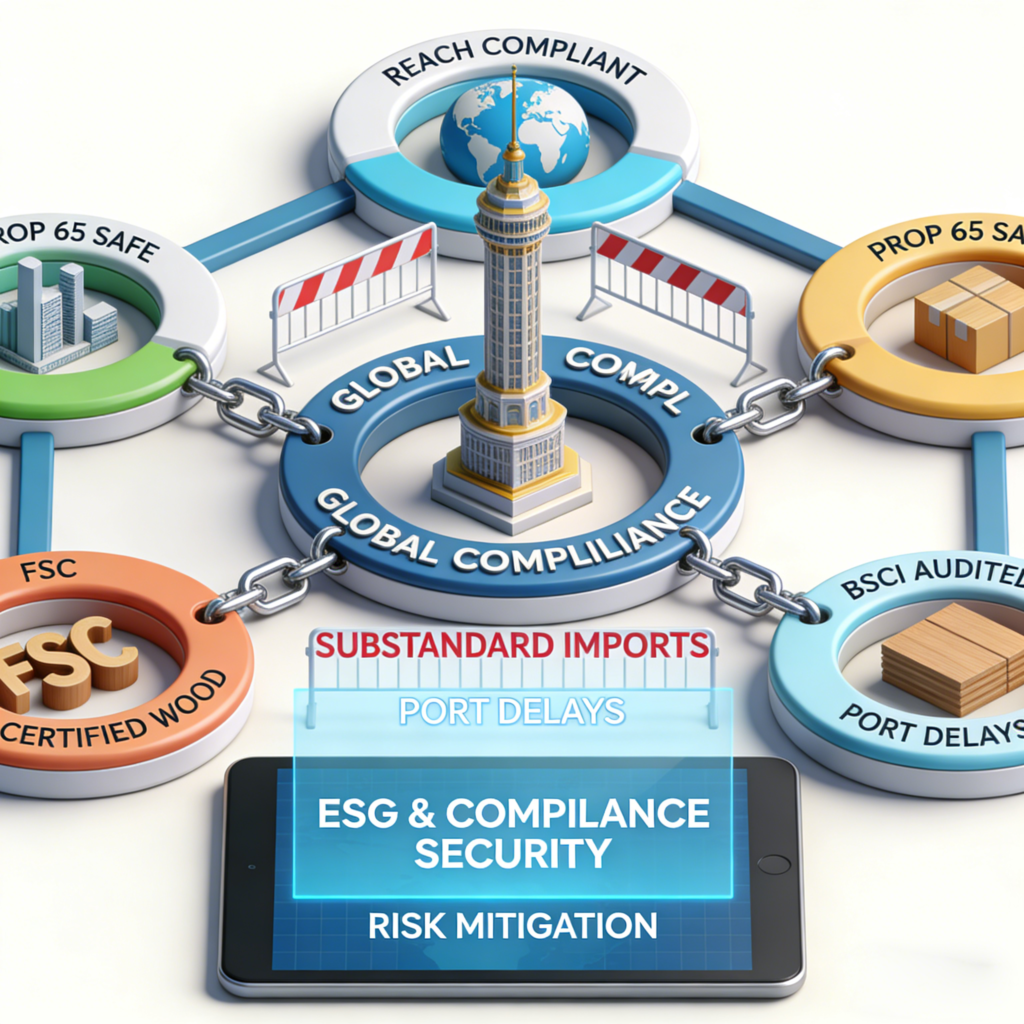
Competitors’ generic guides ignore the critical role of packaging in airport retail. For high-traffic retail, packaging optimization is a technical science.
A generic magnet arrives in a cheap polybag that uses maximum shelf space for minimum visibility. A private label souvenirs project, developed through a skilled souvenir product development department, can use technically optimized packaging engineering.
A well-designed wholesale souvenirs packaging can increase the container fill rate—lowering your per-unit TLC—and simultaneously allow for vertical stacking on the retail shelf, maximizing the per-square-inch revenue generation. Passive communication with generic factories creates risk; proactive engineering partnership is the requirement.
5. Global Compliance and ESG: The Non-Monetary Asset
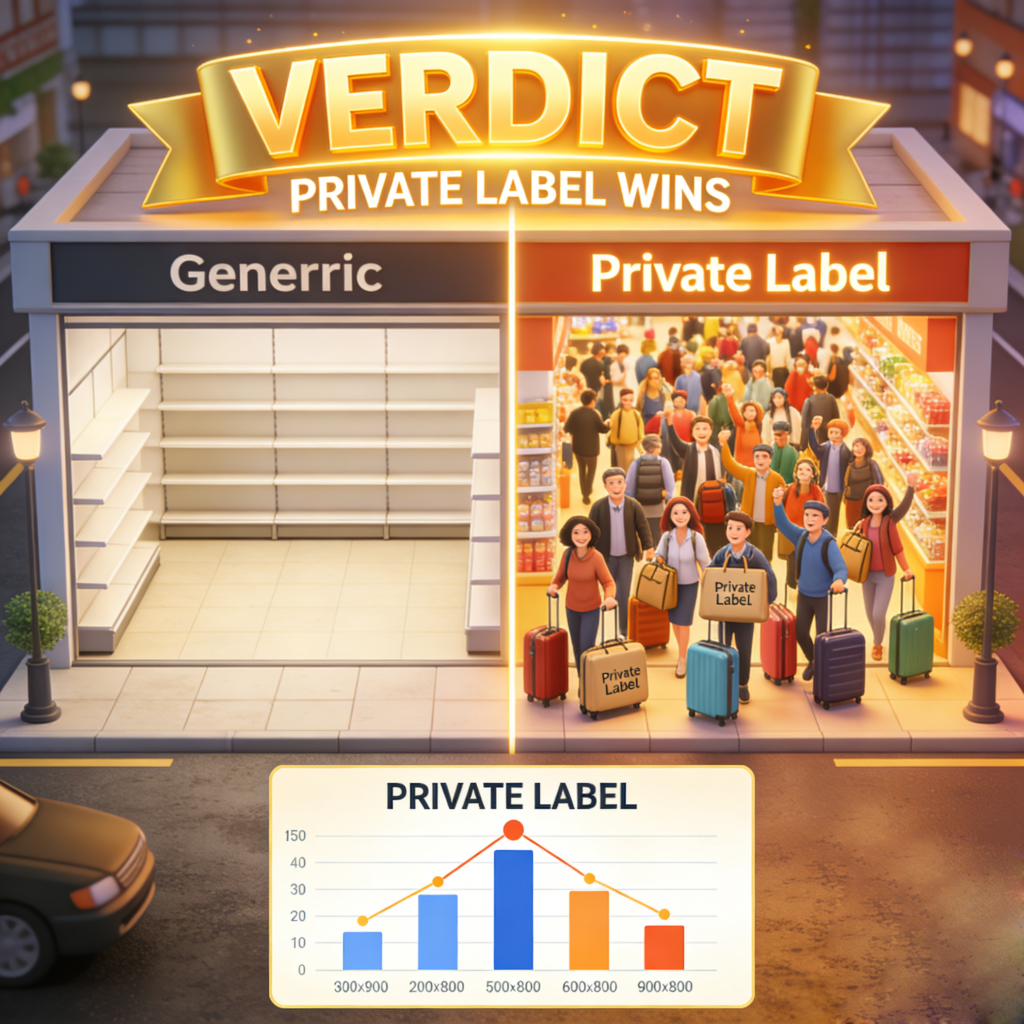
Vetting a generic factory is often based on hope; vetting a specialized China souvenir factory is a data process. As we navigate 2025/2026 global monetary shifts and rising macroeconomic risk, ESG compliance (FSC certified wooden souvenir China, BSCI audits, Low-VOC finishes) is no longer a marketing option.
Non-compliant goods can lead to port delays and customs seizures, devastating your seasonal retail supply chain. A robust private label program gives you control over the technical specifications. When you choose a manufacturing partnership expert, you are buying ESG and compliance security. Passive exporting is aMajor Trap; compliance is your future.
6. Conclusion: The Verdict on High-Traffic Retail
In the Ruthless, high-rent, shelf-space constrained world of airport retail, the choice is clear. While generic wholesale souvenirs may appear to offer a quick, low-cost entry, they leave major profit potential on the table. For travel retail groups focused on conversion optimization, brand equity, and consistent quality, the private label strategy wins.
A fundamental change is here. Sourcing is no longer about buying generic trinkets; it’s about engineering a compliant, profitable, customized brand memory. Passive exporting is a Major Trap; Proactive sourcing is your future. Compliance is your foundation; technical refined optimization is your profit. Turn economic headwinds into strategic tailwinds.
Let’s turn economic headwinds into strategic tailwinds. Sourcing is a memories business; manufacturing is a data business. Proactive sourcing is your future.

- The Death of Generic Souvenirs: Why Story-Driven Design is Winning in 2026 Travel Retail - May 21, 2026
- Bulk Discounts vs. Inventory Holding Costs: Calculating the Sweet Spot for 100,000+ Unit Orders - May 13, 2026
- Currency Volatility & Sourcing: Hedging Risks in Long-Term Souvenir Supply Contracts - May 7, 2026