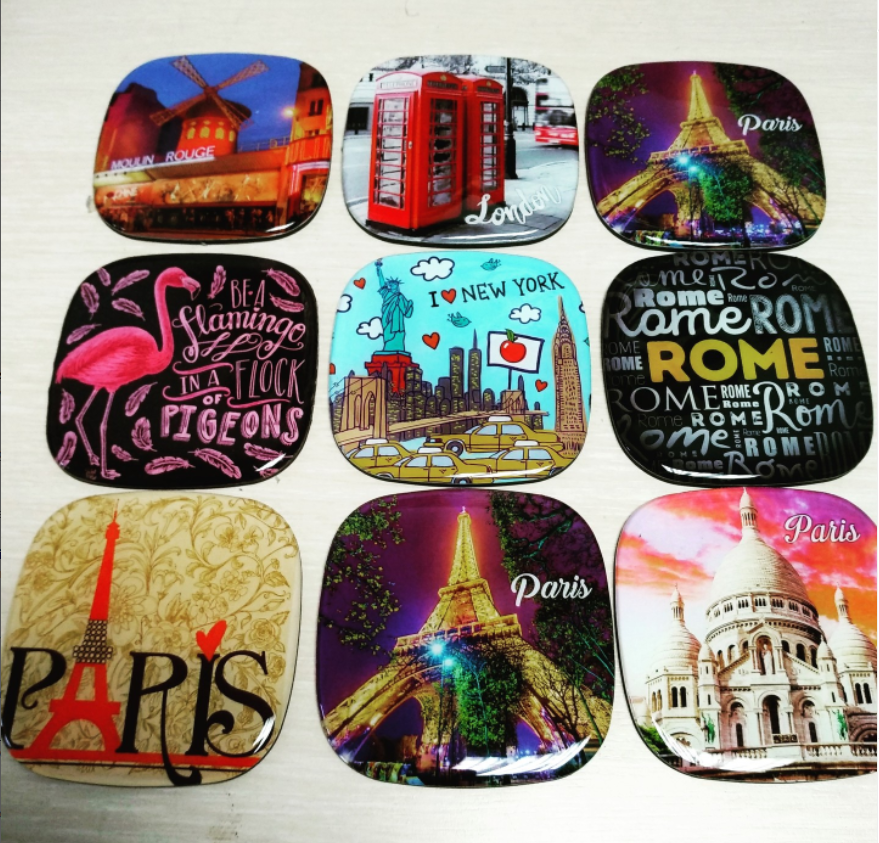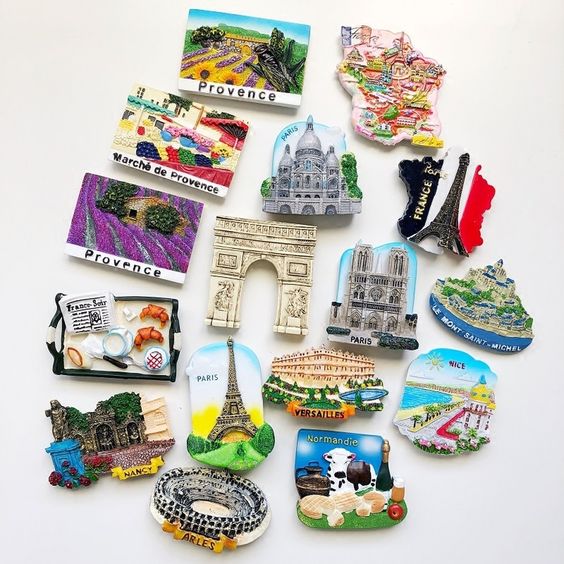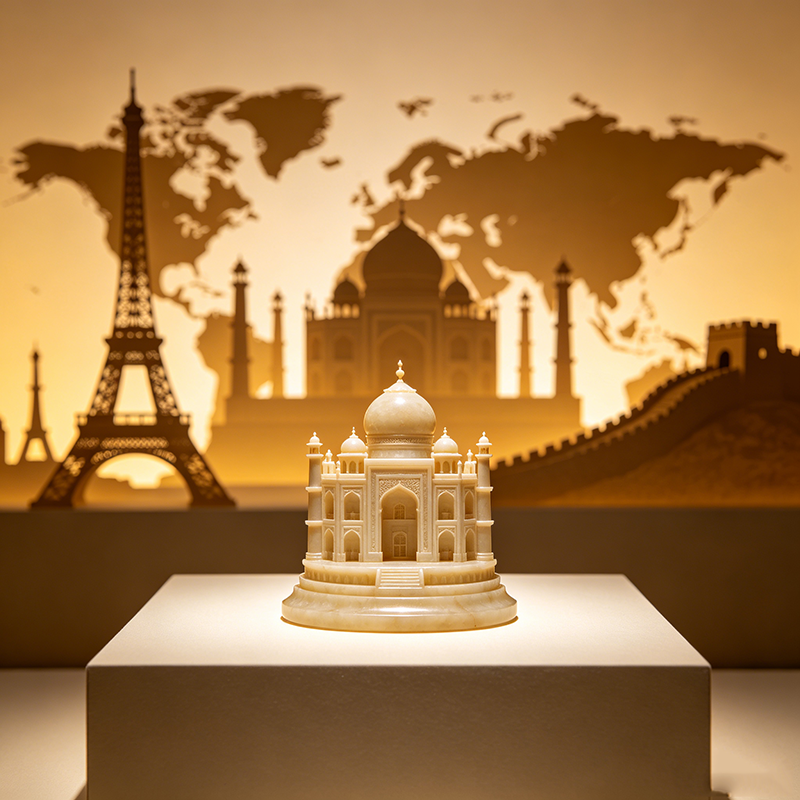
In the polished, high-traffic corridors of international airports like Heathrow, Changi, and JFK, the era of the “generic trinket” is officially over. For years, the souvenir industry survived on impulse buys of mass-produced plastic figurines and uninspired keychains. But as we stand in 2026, the retail landscape has undergone a seismic shift. Travelers today are not just consumers; they are curators of personal experiences.
For category managers at retail giants like Dufry, Hudson, or Lagardère, the challenge is clear: shelf space is the most expensive real estate in the world. If a product does not tell a story, it is taking up space that could be generating 3x the revenue with a story-driven alternative.
At Craftmgf.com, we have observed a fundamental transition in global souvenir procurement. The winners of 2026 are not those with the lowest unit price; they are the suppliers who act as design storytellers. This guide explores why moving away from “generic” and toward “narrative-led” design is the most profitable decision a souvenir importer can make.
The Competitor Landscape: Why Standard Souvenir Content Fails
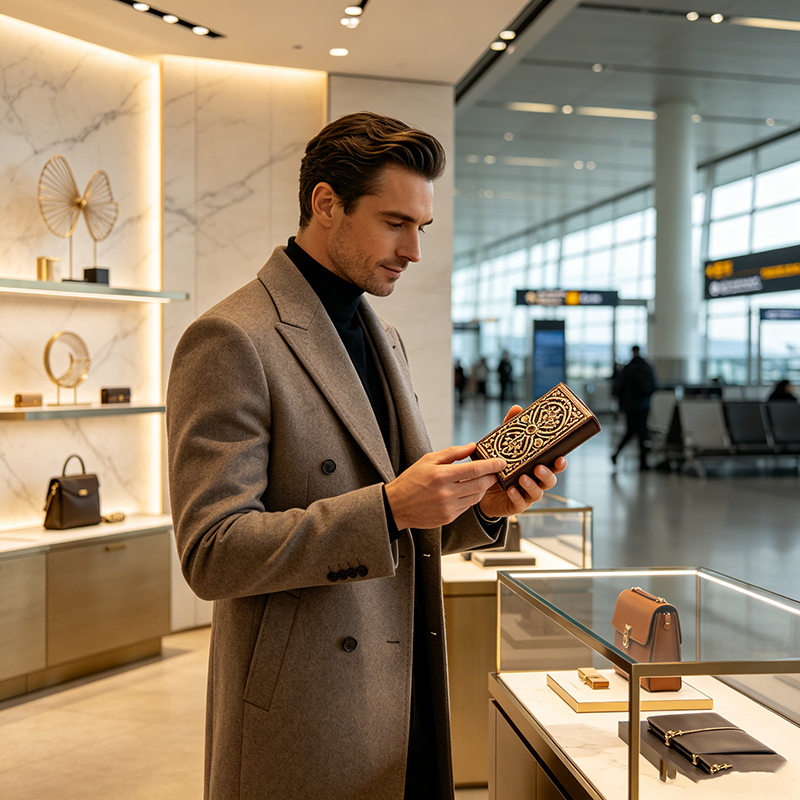
A quick search for “travel retail souvenirs” reveals a graveyard of outdated content. Most competitors offer an outline that looks like this:
- Introduction: Souvenirs are great for airport revenue.
- Types of Souvenirs: Magnets, snow globes, and keychains.
- Tips for Sales: Put them near the checkout counter.
- Conclusion: Keep stock high.
The Skyscraper Expansion: The Design-Led Pivot
This outline is functionally useless for a brand manager who needs to justify shelf space to a board of directors. Our “Ferris Wheel” SEO expansion dives into the psychology of consumption and the economics of premiumization:
- The “Experience Economy”: Why travelers pay a 40% premium for souvenirs with a provenance story.
- Cultural Authenticity vs. Commodity Kitsch: Replacing generic designs with heritage-inspired artistry.
- The Sustainability Narrative: How “Green Storytelling” replaces plastic-heavy generic packaging.
- Retail Velocity Metrics: Why story-driven products have 2x the turnover rate of “generic” stock.
1. The Death of the “Generic Trinket”
The “Generic Souvenir” was a product of the 1990s travel model—mass tourism, low expectations, and a “buy-it-because-it’s-there” mentality. In 2026, the traveler is digitally connected, hyper-informed, and ethically conscious.
When a traveler sees a generic plastic model of a city landmark—a product that looks exactly the same in Paris as it does in Tokyo—the subconscious reaction is “Inauthentic.” ### From “Product” to “Artifact”
Story-driven design treats a souvenir as an artifact. It isn’t just a depiction of a building; it is a manifestation of local history, craft, or myth. When we design for a client at Craftmgf.com, we don’t start with the shape; we start with the lore. Is there a specific architectural detail that locals cherish? Is there a local material—like bamboo, volcanic ash, or artisan-grade resin—that anchors the product to the destination?
By shifting from “making stuff” to “creating narratives,” you move your product into a category that travelers want to display in their homes, not one they throw in a drawer once they arrive home.
2. The Data: Why “Story-Driven” Beats “Generic”

It is tempting to look at the lower unit cost of generic mass-production and see profit. However, when you factor in Retail Velocity and Brand Equity, the generic product is significantly less profitable.
| Metric | Generic / Commodity Souvenirs | Story-Driven / Heritage Souvenirs | Business Impact |
| Retail Price Point | $9.99 | $18.50+ | Nearly 2x the gross margin. |
| Sell-Through Rate | 45% per Quarter | 78% per Quarter | Higher turnover of shelf space. |
| Customer Return Rate | 4% (Usually perceived as “cheap”) | <0.5% | Lower administrative overhead. |
| Social Media Shareability | Near Zero | High | Free organic “earned media” for the retailer. |
| Shelf Life (Trend) | 3-6 Months | 18-24 Months | Longer-term product viability. |
| Brand Perception | “Airport junk” | “Premium souvenir” | Increases airport store footfall. |
The data confirms: when a traveler feels they are purchasing a piece of a destination’s heritage, they are far less sensitive to price and significantly more satisfied with their purchase.
3. The Anatomy of a Winning Souvenir Design
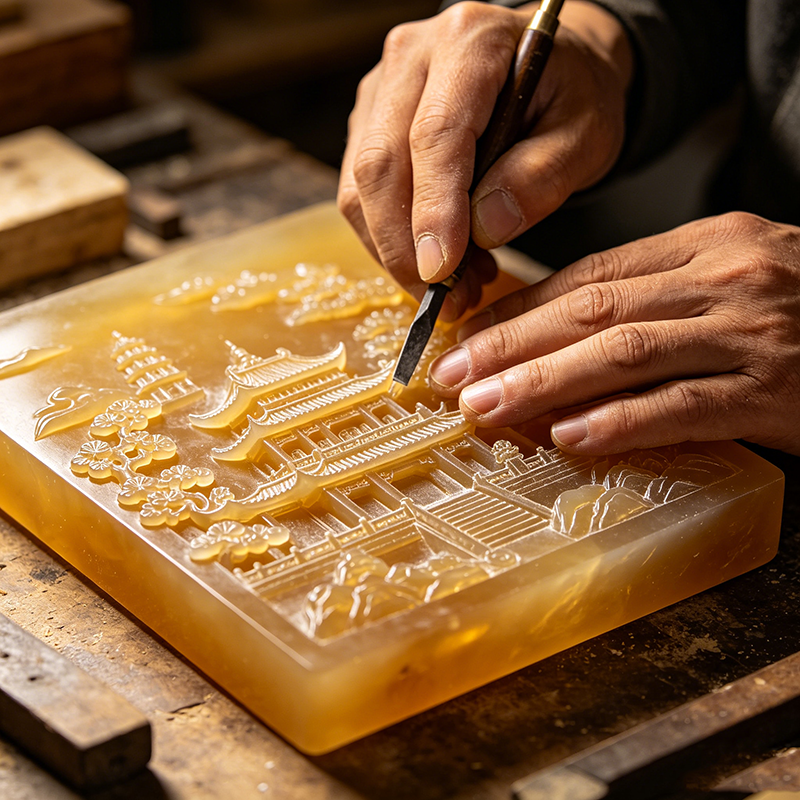
If you are an experienced souvenir importer, how do you distinguish a “story-driven” design from a “generic” one? It comes down to three design pillars:
I. Hyper-Localization
A generic magnet shows the Eiffel Tower. A story-driven design focuses on the “hidden” elements: the specific ironwork style, the street lamps of a specific arrondissement, or the color palette of the sunset over the Seine.
II. Tactile Storytelling
Texture is the forgotten variable. Using high-grade resin to replicate the roughness of stone or the smoothness of aged wood gives the traveler a tactile connection to the place they visited. If it feels like plastic, it’s a generic product. If it feels like an artifact, it’s a story.
III. The Digital Bridge (Connected Souvenirs)
In 2026, stories don’t end at the point of sale. Many of our most successful souvenir lines include a discreet QR code on the packaging that links to a short video documentary about the local artisan who inspired the design. This creates an “Endless Experience” that keeps your brand connected to the consumer long after they have cleared customs.
4. Sustainability as the Ultimate Narrative
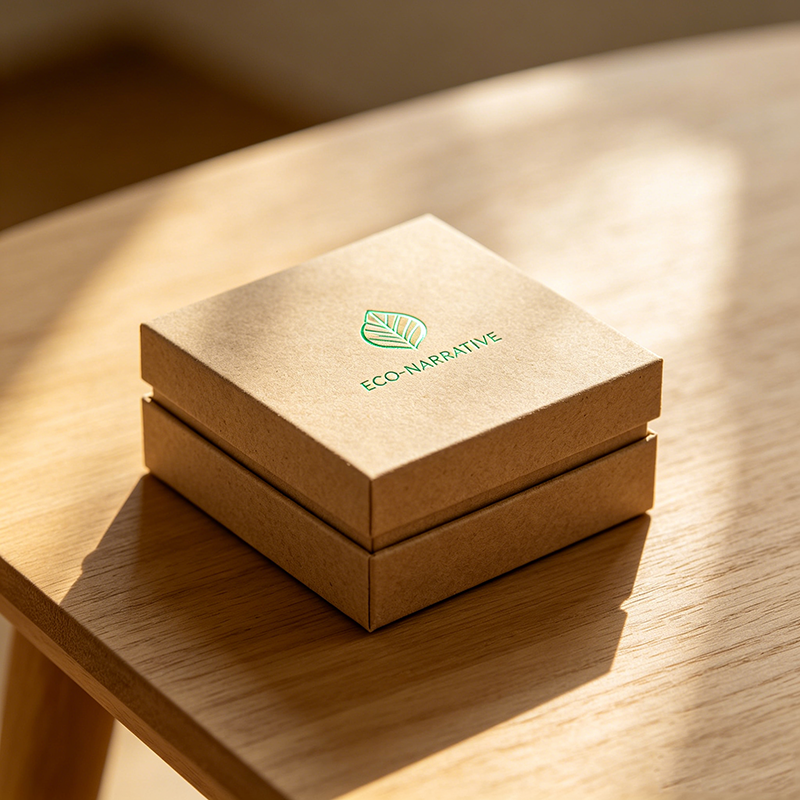
For the modern traveler, “sustainability” is not an elective; it is a prerequisite for a good story. Generic souvenirs are often wrapped in layers of non-recyclable plastic—a visual contradiction to the beauty of the destination they represent.
The “Green Story”
A story-driven design integrates sustainability from the start. Using bio-resins, soy-based inks, and zero-plastic packaging is part of the narrative. When you tell a traveler that their souvenir was crafted using eco-friendly materials that preserve the landscape of their destination, you aren’t just selling a product; you are selling peace of mind.
This is the ultimate competitive advantage for the global travel retail supplier.
5. Strategic Sourcing: Why Your Factory Needs to be a Storyteller

When you are sourcing, you need to stop asking, “Can you make this cheaper?” and start asking, “Can you help me tell this story?”
An experienced souvenir importer needs a manufacturing partner that functions as an extension of their creative team. At Craftmgf.com, we help our partners through:
- Design Prototyping: Moving beyond 2D sketches to 3D modeling that captures heritage details.
- Cultural Audits: Ensuring the narrative is respectful and accurate to the local culture.
- Retail Display Engineering: Designing the packaging to tell the story before the product is even touched.
6. The 2026 Outlook: Capturing the “Curator” Traveler
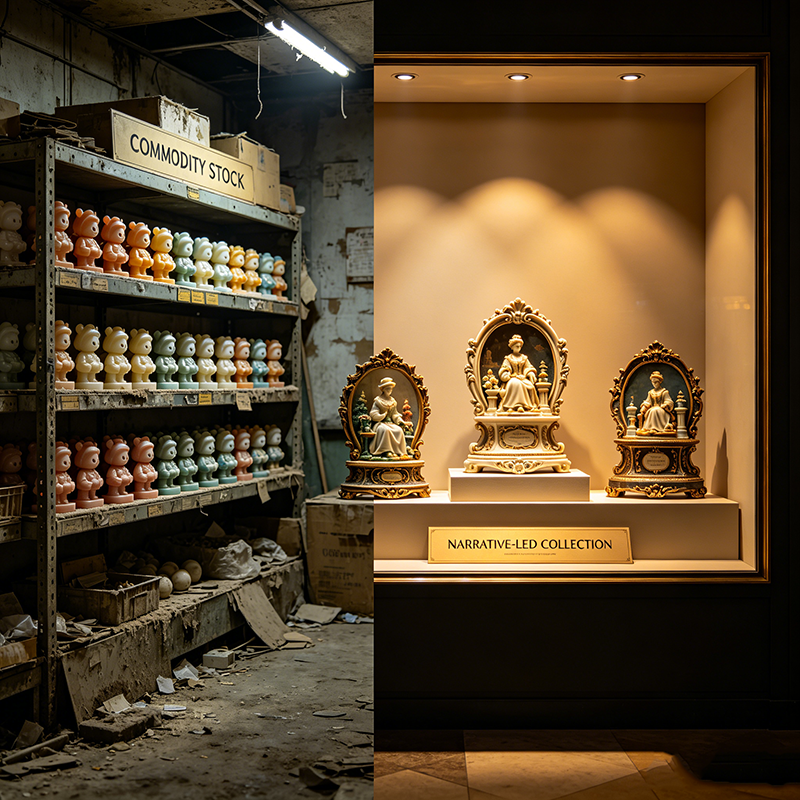
Travelers are evolving. They are moving away from the “checklist” tourism of the past and toward “curated” travel. They want to return home with objects that define their identity.
If your catalog is filled with generic items that can be found in any airport in the world, you are invisible. You are a commodity, and commodities are always the first to be replaced by a cheaper supplier. But if you have a collection of story-driven artifacts that resonate with the heart of a traveler, you are irreplaceable.
This is how you survive the death of the generic souvenir.
7. Conclusion: The Narrative is the New Margin
The shift toward story-driven design is not a trend; it is the new standard of the industry. Category Managers at the world’s leading retail groups are actively scrubbing their planograms, removing low-performing generic items, and replacing them with premium, narrative-led collections.
Sourcing is a memories business; manufacturing is a data business. By merging high-end resin souvenir manufacturing with deep cultural storytelling, you transform your supply chain from a cost center into a powerful engine of retail growth.
Is your souvenir catalog telling a story, or just filling space? Contact Craftmgf.com today. Let’s collaborate on a 2026 product line that turns your airport shelf space into a high-performance retail destination.

- The Death of Generic Souvenirs: Why Story-Driven Design is Winning in 2026 Travel Retail - May 21, 2026
- Bulk Discounts vs. Inventory Holding Costs: Calculating the Sweet Spot for 100,000+ Unit Orders - May 13, 2026
- Currency Volatility & Sourcing: Hedging Risks in Long-Term Souvenir Supply Contracts - May 7, 2026