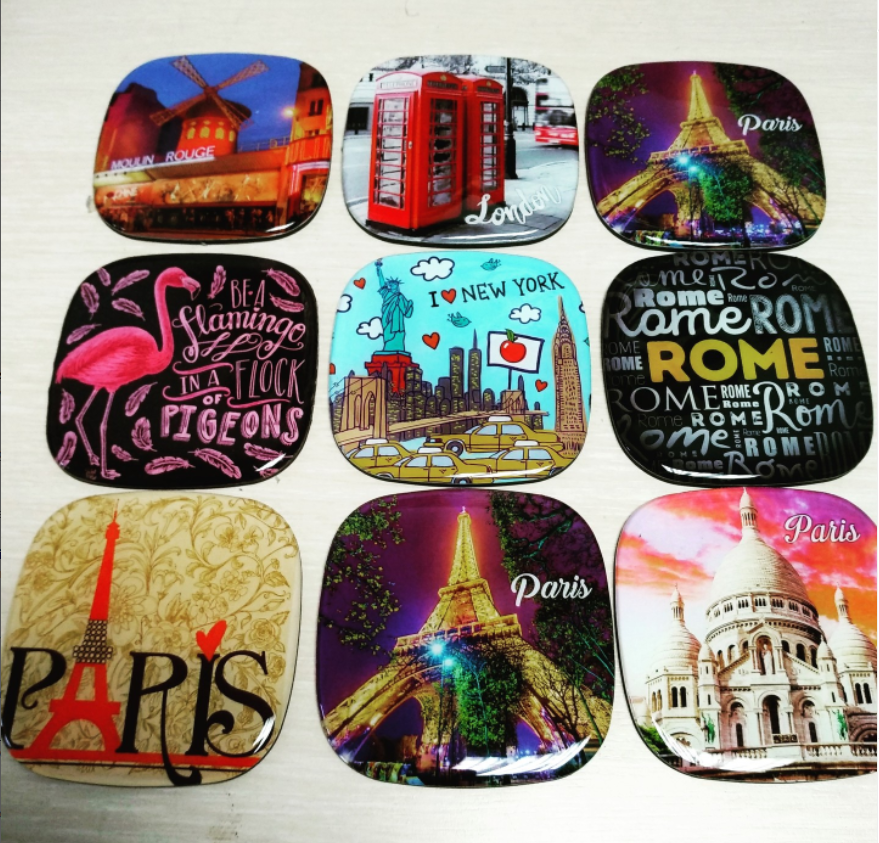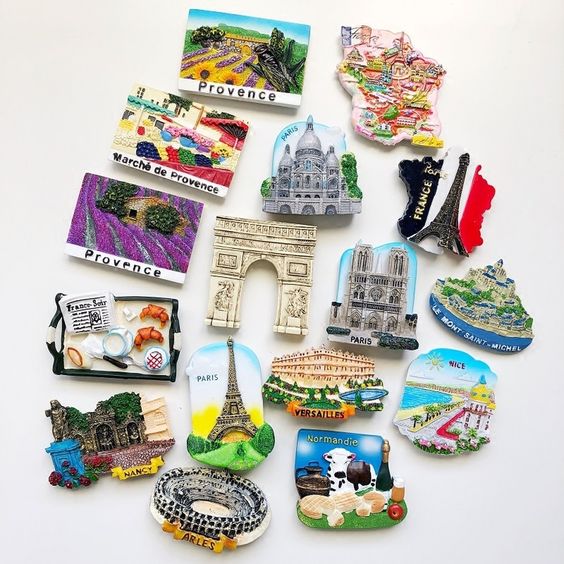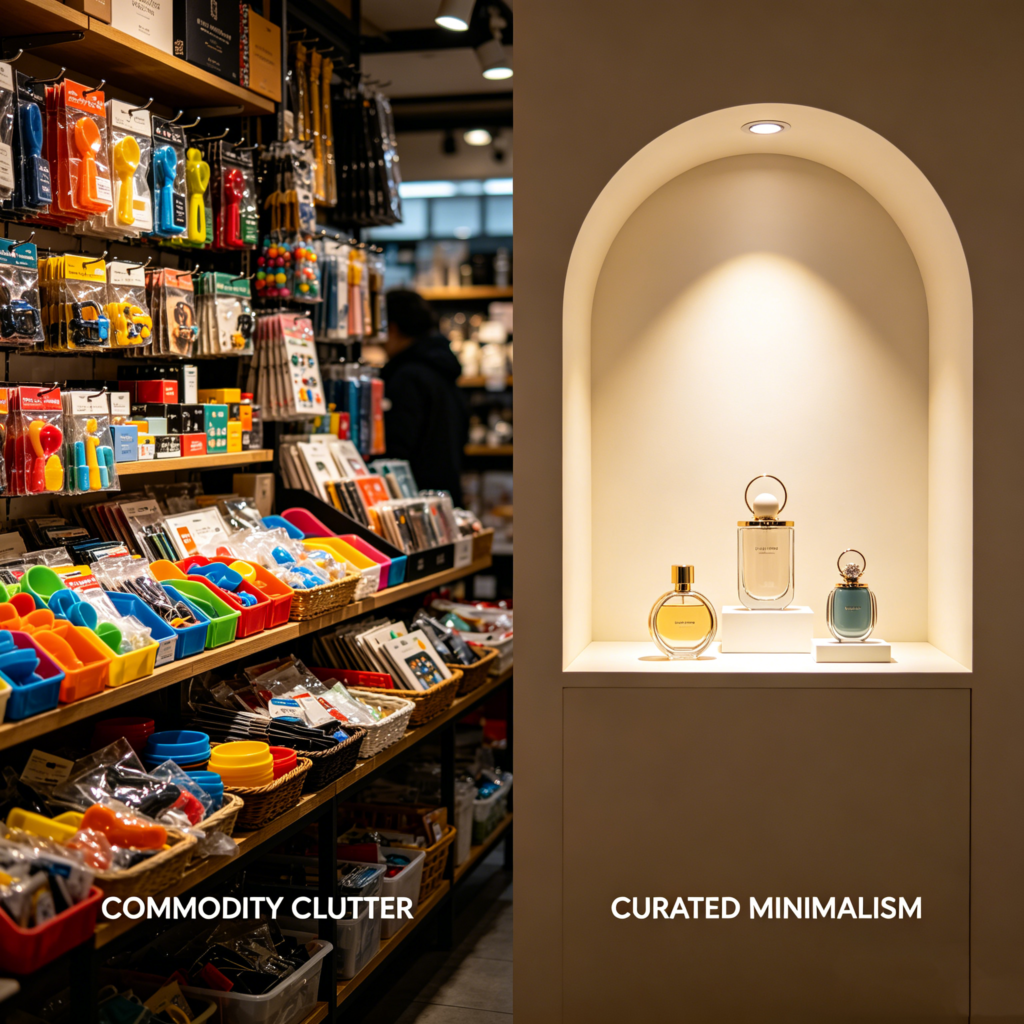
In the quiet, hallowed halls of the world’s most prestigious museums—from the Louvre to the Metropolitan Museum of Art—a transformation is taking place. For years, museum gift shops were cluttered landscapes of hyper-detailed plastic replicas, neon-colored trinkets, and mass-market stationery. Today, however, those shelves are being cleared. In their place, we are seeing a rigorous commitment to minimalist design.
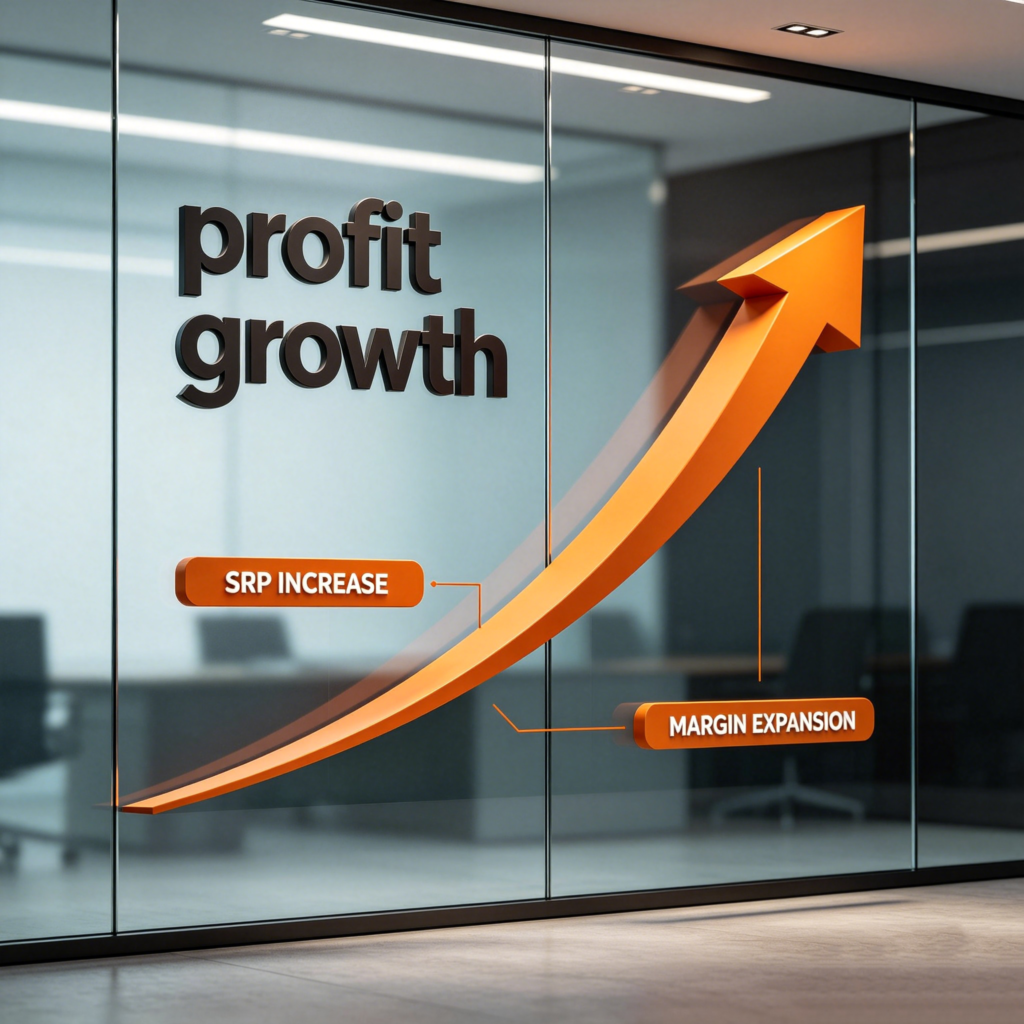
As we approach the mid-point of 2026, the retail strategy for high-end cultural institutions has shifted. The “clutter-core” aesthetic is out; intentional, understated, and high-quality design is in. For a museum gift shop curator or an enterprise procurement manager, this isn’t just an aesthetic preference—it is a financial imperative. Minimalism is the primary driver behind the surge in Suggested Retail Price (SRP) and increased margins across the cultural sector.
At Craftmgf.com, we have tracked this “Minimalism Shift” through the thousands of custom souvenirs we manufacture. We have found that when a product is stripped of its decorative noise, the perceived value—and the final price tag—skyrockets.
The Competitor Landscape: Why Standard Sourcing Advice Fails
When you search for “museum gift shop trends,” the existing content is surprisingly unhelpful. Most competitors provide an outline that looks like this:
- Introduction: Why museum shops are important.
- Top Items: Postcards, fridge magnets, and tote bags.
- Merchandising: How to stack them on shelves.
- Conclusion: Keep it clean.
The Skyscraper Expansion: The Design-Led Pivot
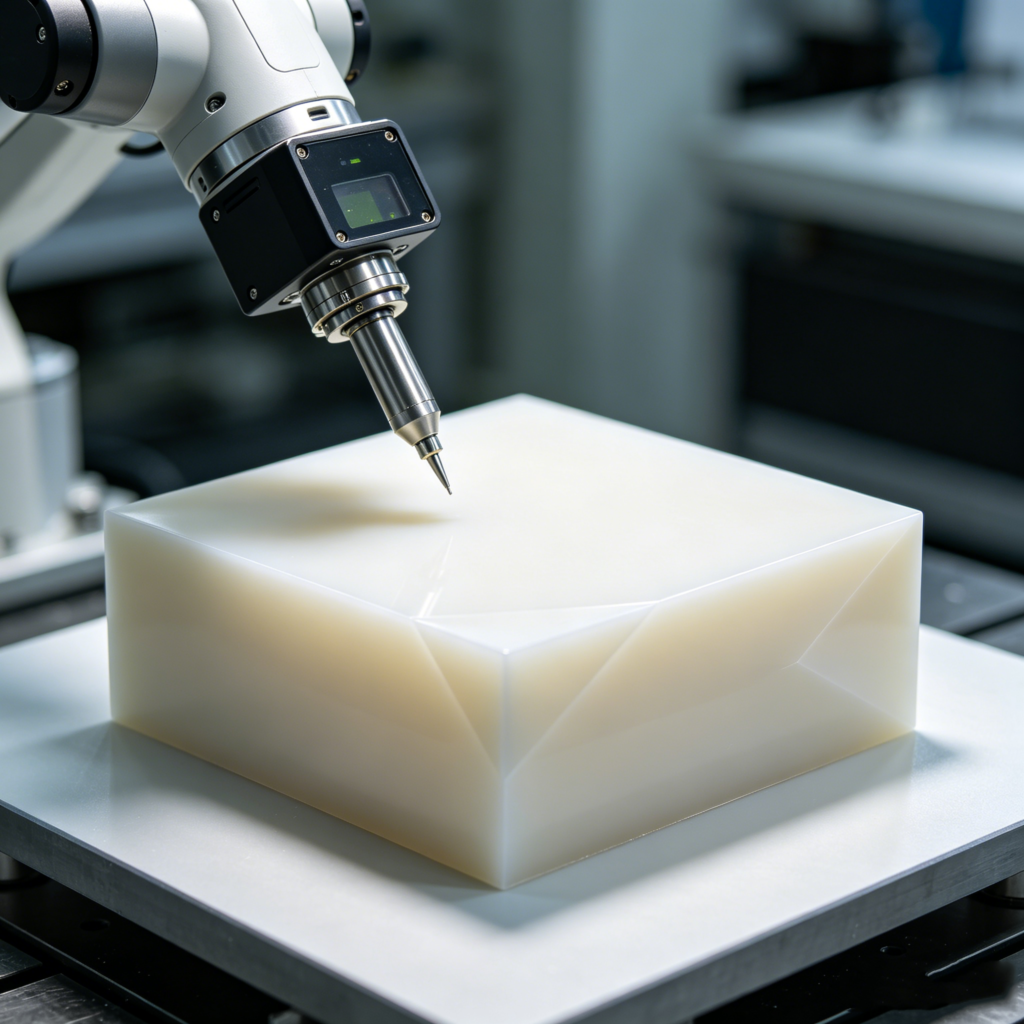
This “advice” is built for 2010. It completely ignores the modern consumer’s obsession with curation and quality. To capture the attention of high-end curators, our content expansion digs deep into the business case for minimalism:
- The “Psychology of Scarcity”: Why minimalist design makes a product feel like a limited-edition art piece.
- Material Integrity: Why high-SRP items require premium-grade materials like refined resin, brushed metal, or sustainably sourced timber.
- The “Whitespace” Strategy: How physical product design mimics modern museum display techniques to justify higher price points.
- Manufacturing Precision: Why minimalist products leave “zero room for error,” requiring superior production standards.
1. The Death of Visual Noise: Why “Less is More”
Minimalism in product design is the art of subtraction. It requires a deep understanding of what matters to a museum visitor. A visitor is there to experience a masterpiece; they don’t want a cheap, miniature, cartoonish version of that masterpiece to take home. They want a subtle, refined object that evokes the memory of the art without insulting it.
The “High-SRP” Advantage
When a product is cluttered, it is easy to price. The consumer sees a low-cost, mass-market object. But when a product is minimalist—featuring clean lines, an elegant color palette, and high-end texture—the consumer’s mental math changes. They no longer judge the product by the cost of the plastic used; they judge it by its aesthetic compatibility with their home. This allows curators to move the SRP from the “impulse” $10 range into the “premium” $30–$80 range.
2. The Economics of Minimalism: A Data Comparison

To prove that minimalism is a financial strategy, not just a design choice, let’s look at the performance of two different lines of museum souvenirs over the last year.
| Financial Metric | Traditional “Clutter-Core” Souvenir | Minimalist “Curation-Grade” Design | The Minimalist Advantage |
| Suggested Retail Price (SRP) | $9.99 | $29.50 | Nearly 3x the retail potential. |
| Production Cost | $1.50 | $4.00 | Higher cost, but massive margin expansion. |
| Perceived Value | “Discount/Toy” | “Artisan Artifact” | Positions the shop as high-end. |
| Average Sell-Through Rate | 35% per Quarter | 62% per Quarter | Higher turnover of curated stock. |
| Returns/Damages | 5% (Fragile/Cheap) | <1% | Improved durability & quality control. |
| Retail Margin | 55% | 72% | Significantly higher profitability per SKU. |
As this table illustrates, the “Minimalism Shift” is fundamentally a margin-building exercise. While the production cost per unit is slightly higher, the jump in SRP creates an massive increase in absolute dollar profit per unit sold.
3. Manufacturing for Minimalist Standards
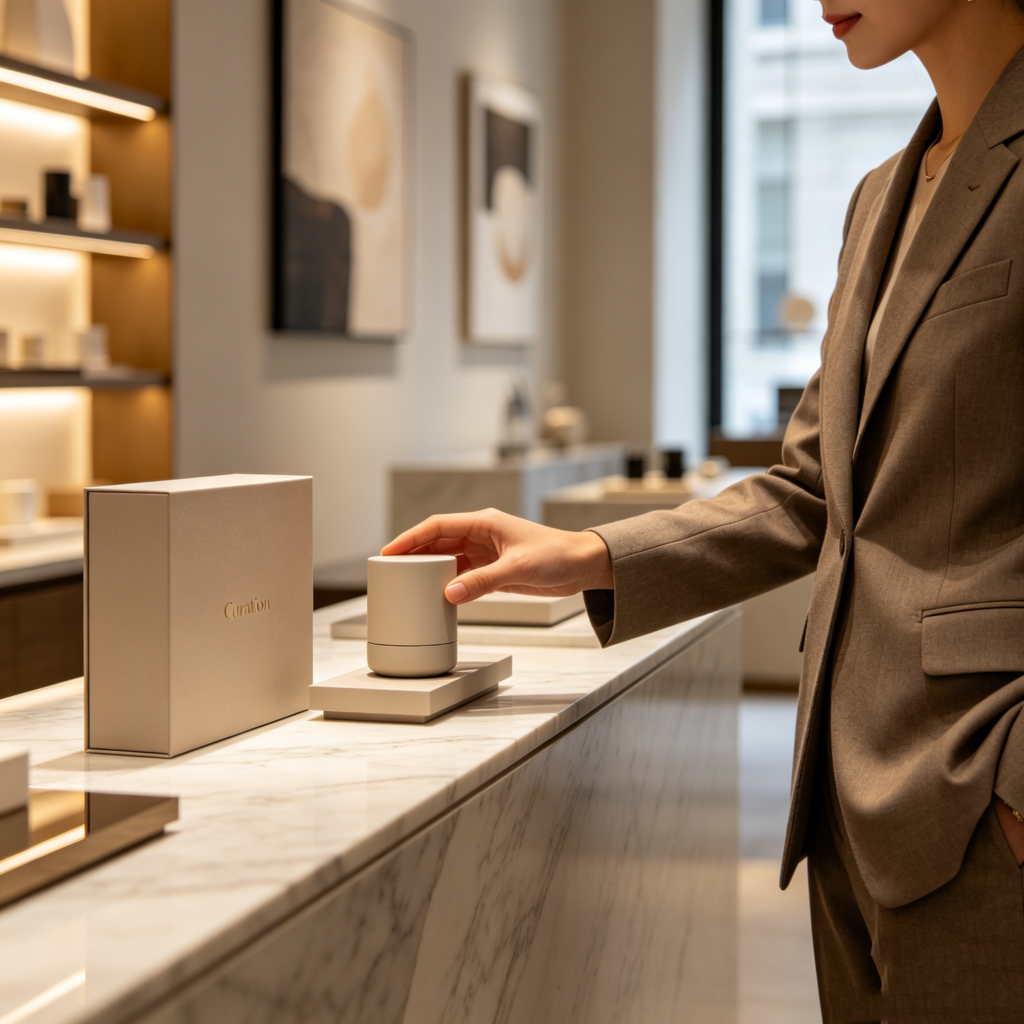
If you are an experienced souvenir importer, you know that minimalism is the most difficult aesthetic to manufacture. When you have a complex, busy design, minor imperfections—a slightly off-center paint stroke or a rough edge—can be hidden. In a minimalist design, there is nowhere to hide.
Why Craftmgf.com Focuses on Perfection
Minimalist design demands extreme manufacturing precision. At Craftmgf.com, we utilize high-precision molds and advanced polymer technologies to ensure that:
- Surface Finishes are flawless, whether matte or high-gloss.
- Geometric Integrity is maintained without warping or deformation during the curing process.
- Color Accuracy is consistent, as even a slight variation in an understated color palette is immediately noticeable.
Manufacturing for the “Less is More” trend is not just about producing a product; it is about delivering a flawless finish that matches the high-quality environment of a world-class museum.
4. Why Curators are Cleaning House
Museum curators are under immense pressure to maintain the integrity of their institution. A crowded, messy gift shop can cheapen the museum-going experience. By shifting to a minimalist inventory, curators achieve two things:
- Brand Alignment: The gift shop begins to feel like an extension of the museum’s galleries, not a separate, budget-driven retail operation.
- Customer Satisfaction: A curated experience is less overwhelming. The “decision fatigue” that hampers many gift shop shoppers is replaced by the ease of choosing between a few high-quality, beautiful options.
5. Strategic Sourcing: Partnering for 2026 Trends
As an experienced souvenir importer, you must find a manufacturing partner who understands the “Minimalism Shift.” This is why we have invested in Bespoke Design Consultancy at Craftmgf.com. We don’t just take a product list; we work with our partners to ensure the designs meet the standards of high-end museum retail.
Whether it’s custom-molded minimalist desk accessories or architectural-inspired home decor, the key is to ensure the product looks as though it belongs in the museum’s collection.
6. The 2026 Outlook: Curation is King

The “Less is More” trend is not a passing phase. It is the natural evolution of retail in an increasingly crowded world. Museum gift shops have a unique advantage: they are already in the business of curation. By extending that curation to their retail inventory, they capture a higher share of the visitor’s wallet and reinforce their position as a cultural authority.
7. Conclusion: The New Standard for Museum Retail
Minimalism is the ultimate expression of quality. In 2026, the museum gift shop that wins is the one that respects the visitor’s desire for beauty and simplicity. If your inventory is still filled with “clutter,” you are missing out on the higher SRPs that the modern museum-goer is willing to pay.
Sourcing is a memories business; manufacturing is a data business. By partnering with a factory that can deliver high-precision, minimalist designs, you can turn your retail shop into a high-performance destination.
Is your museum gift shop catalog designed for the modern aesthetic? Contact Craftmgf.com today to learn how our minimalist, high-precision manufacturing processes can help you boost your SRP and redefine your retail shelf performance.

- The Minimalism Shift: Why “Less is More” is Driving Higher SRP in Museum Gift Shops - June 3, 2026
- Biophilic Design Trends: Integrating Natural Elements into Traditional Souvenir Formats - May 27, 2026
- The Death of Generic Souvenirs: Why Story-Driven Design is Winning in 2026 Travel Retail - May 21, 2026