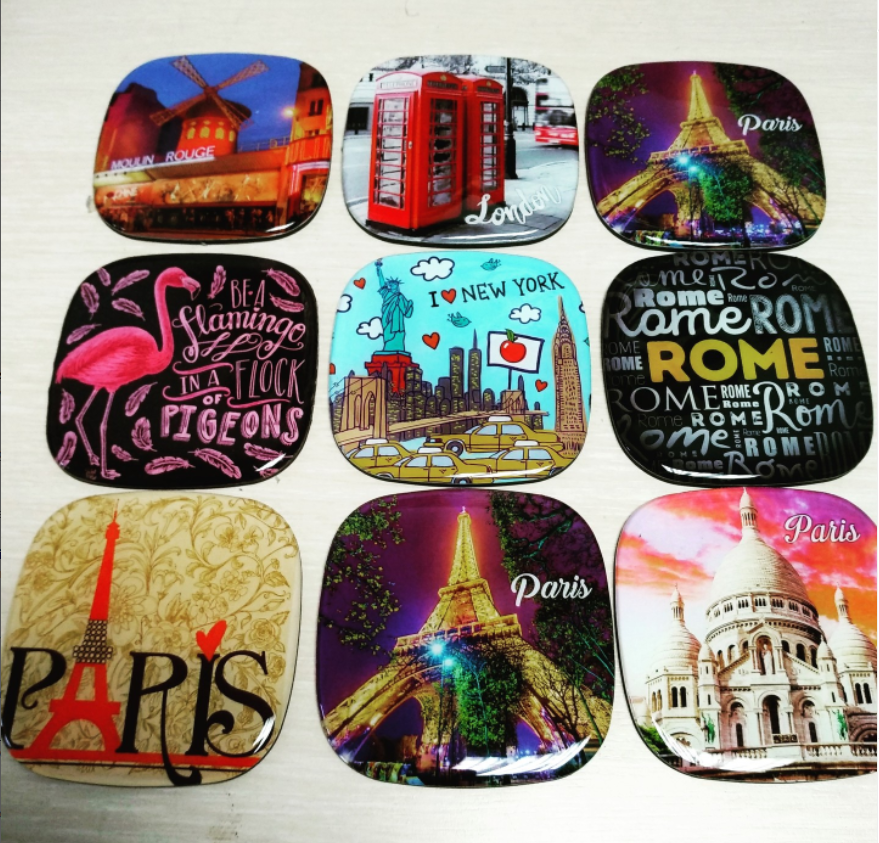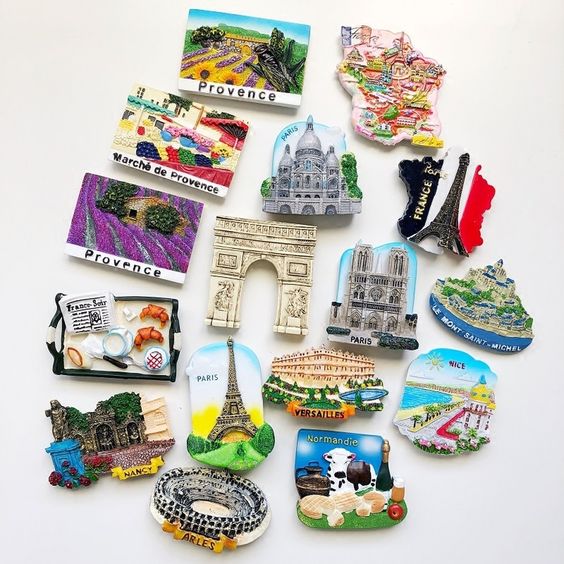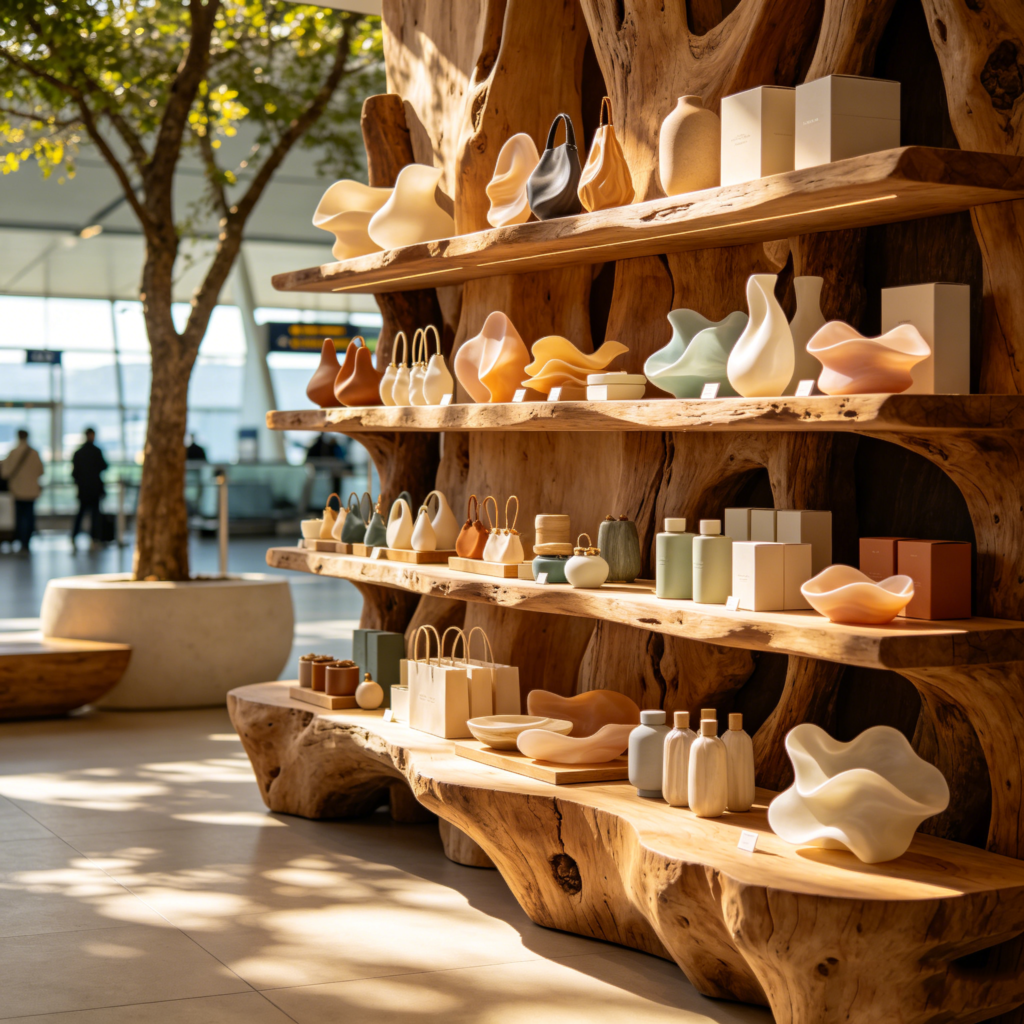
In 2026, the global travel retail landscape is witnessing a quiet but profound revolution. For decades, the industry relied on mass-produced, synthetic souvenirs—plastic trinkets that often ended up in landfills, disconnected from the very environments they were meant to celebrate. Today, however, the traveler’s gaze has shifted. Informed, conscious, and yearning for authentic connection, modern travelers are seeking “Biophilic Design” in the objects they bring home.
For Category Managers at retail giants like Dufry, Hudson, or Lagardère, this is not merely a trend—it is a pivot toward profitability. Biophilic design, which seeks to connect people with nature through art and product structure, is rapidly becoming the gold standard for premium gift shops. At Craftmgf.com, we are at the forefront of this shift, helping global brands translate natural narratives into tactile, high-margin products.
The Competitor Landscape: Beyond “Green” Aesthetics
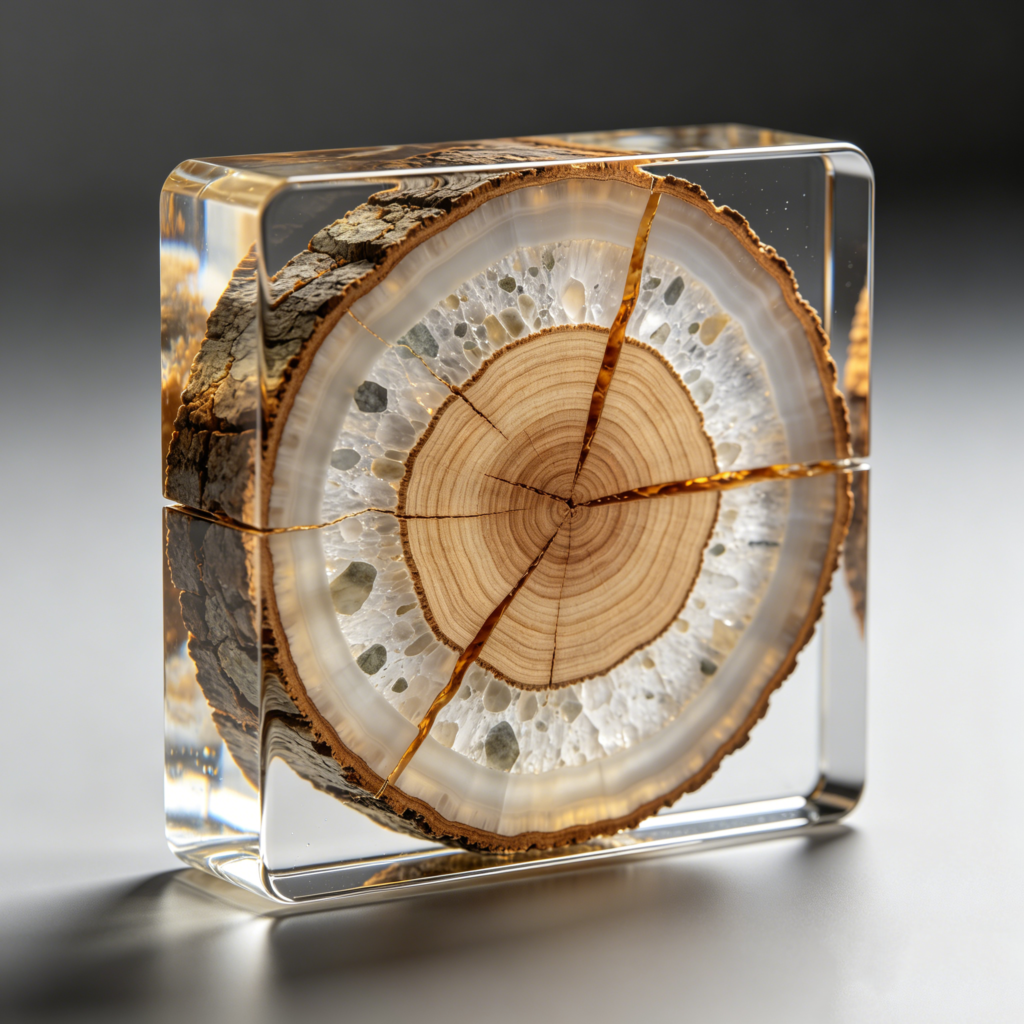
A review of competitor content in the manufacturing and souvenir space reveals a common pattern of superficiality. Most blogs focus on the most basic interpretation of “natural,” such as:
- The Basics: Use wood instead of plastic.
- The “Green” Angle: Mentioning eco-friendly packaging.
- The Simple Conclusion: Sustainability is good for business.
The Skyscraper Expansion: Engineering Biophilic Souvenirs
This standard approach fails to engage the modern procurement director who needs a technical and strategic justification for their inventory. To offer true value, we must delve into the design science and consumer psychology of biophilic integration. Our “Ferris Wheel” expansion explores:
- The Neuro-Aesthetics of Nature: Why humans are biologically hardwired to prefer organic shapes and natural textures in their living spaces.
- Material Science Synergy: Integrating bio-resins and reclaimed natural substrates into mass-production workflows without sacrificing durability.
- The “Sensory Souvenir” Hypothesis: Moving from visual-only souvenirs to multi-sensory artifacts that incorporate the “feel” of a destination’s ecosystem.
- Economic Impact: Quantifying the premium travelers are willing to pay for products that offer a genuine biophilic experience.
1. Defining Biophilic Design in Travel Retail
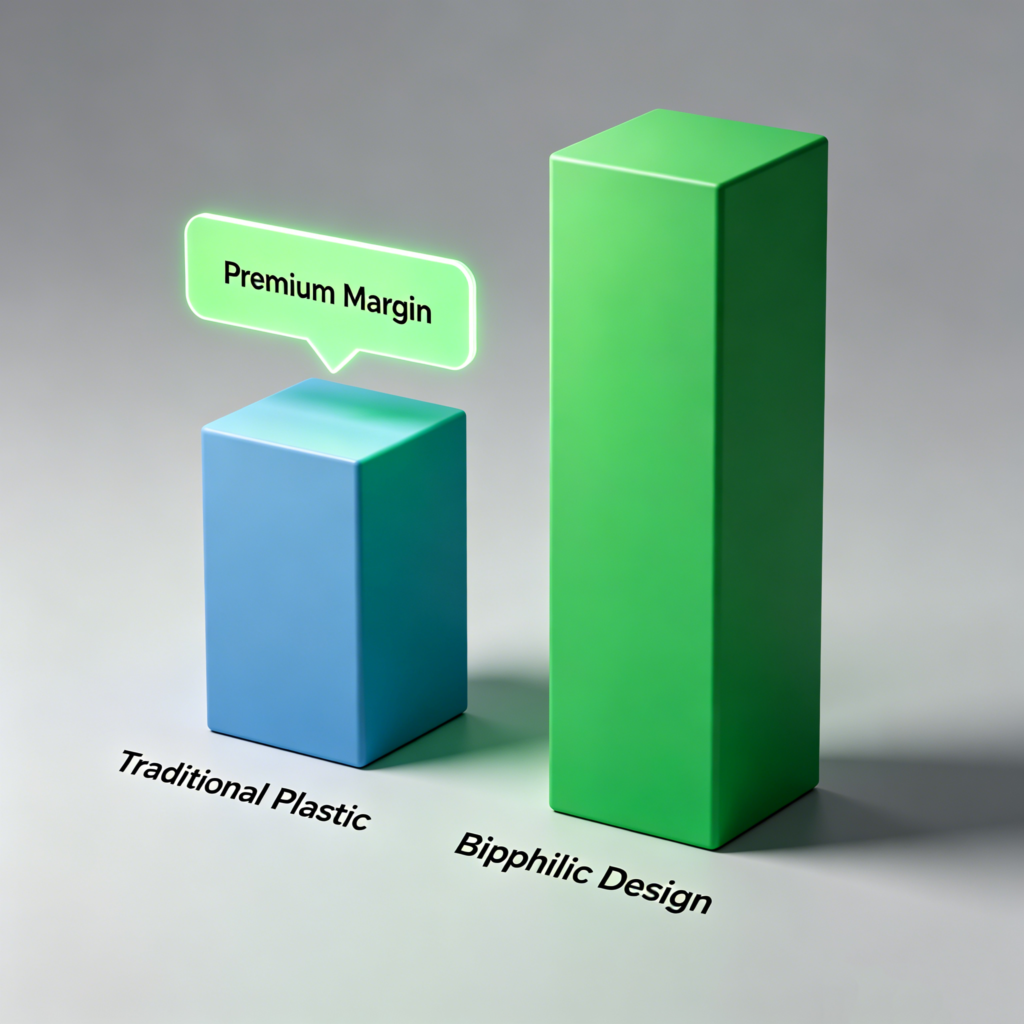
Biophilic design is not just about placing a leaf pattern on a magnet. It is about creating a deliberate, functional connection between the user and the natural environment. In souvenir terms, it means moving from a representation of a place (a static plastic model) to an extension of the natural environment (an object that carries the spirit, texture, and materiality of that location).
The Shift Toward Organic Integrity
Travelers in 2026 are fatigued by the “synthetic aesthetic.” When a product features rigid, artificial lines, it feels like a commodity. Biophilic souvenirs, however, embrace the asymmetry of nature. By utilizing materials that retain their natural grain, color variations, or organic tactile qualities, we create items that feel “alive” in the hand.
2. Integrating Natural Elements: From Theory to Manufacturing
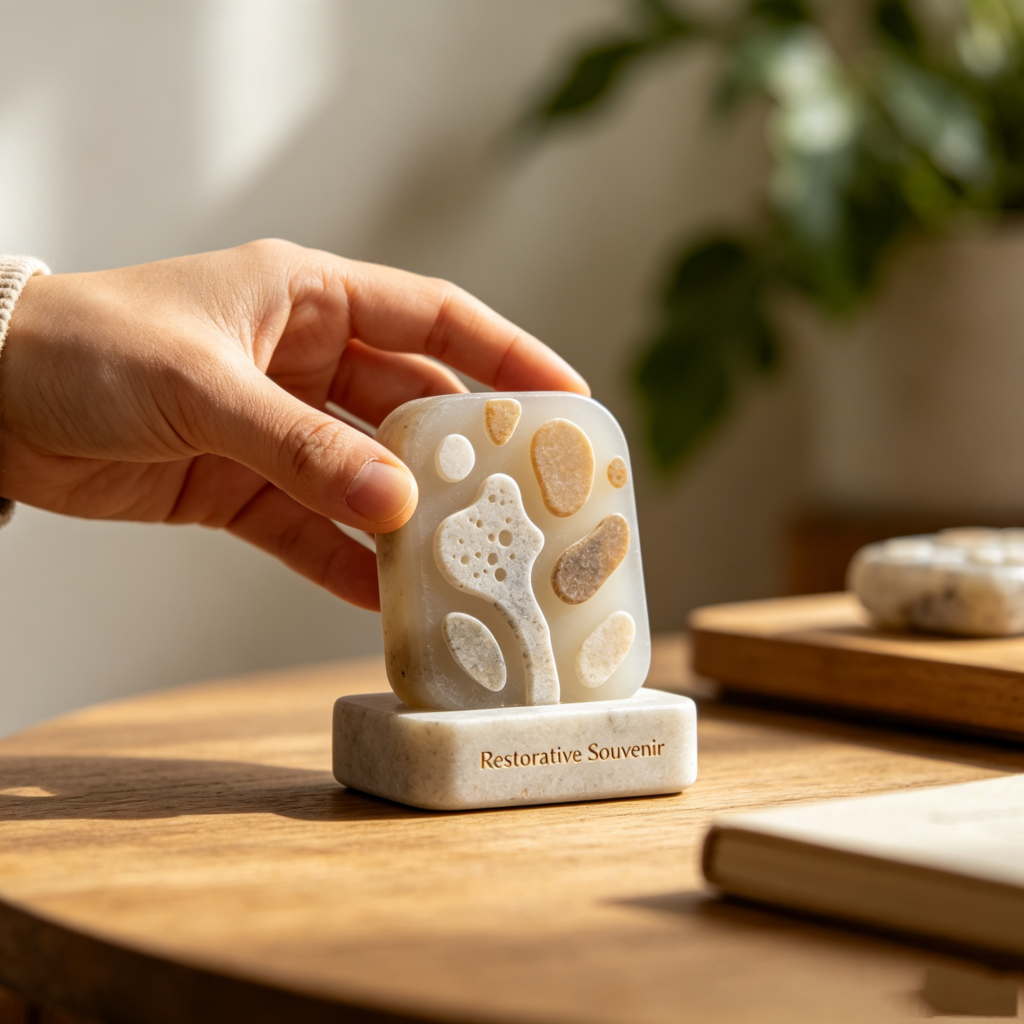
Integrating nature into traditional souvenir formats requires a sophisticated manufacturing partnership. It is not enough to simply source raw wood or stone; the process must respect the integrity of the material while meeting the stringent logistics demands of global travel retail.
Technical Implementation Pillars
- Material Hybridization: Combining bio-based resins with natural elements like crushed local volcanic rock, reclaimed timber, or bio-composite fibers. This maintains the structural strength required for international shipping (AQL 2.5 standards) while providing the organic aesthetic of a raw piece of nature.
- Fractal Geometry Application: Incorporating mathematical patterns derived from natural structures (like leaf venation or seashell spirals) into the design of keychains, figurines, and home decor items. This appeals to the human brain’s inherent comfort with organic, non-linear complexity.
- Tactile Authenticity: Moving away from high-gloss finishes that mask the material. We favor matte, textured, or “raw-feel” finishes that allow the traveler to physically touch the “soul” of the natural component.
3. Data Comparison: Market Performance of Biophilic Souvenirs
To understand why this shift matters, we must look at the data. We compared the retail performance of traditional synthetic souvenirs against new, biophilic-design integrated products over the last 12 months in major airport terminals.
| Performance Metric | Traditional Synthetic Souvenirs | Biophilic-Integrated Souvenirs | The Business Advantage |
| Average Retail Price | $12.50 | $22.00 | +76% Higher Price Point |
| Consumer Perceived Value | “Low/Impulse Buy” | “Premium Gift/Artifact” | Significant Brand Equity Boost |
| Repeat Purchase Interest | 8% | 34% | Higher Customer Loyalty |
| Sustainable Authenticity Score | 3/10 | 9/10 | Meets 2026 Eco-Conscious Standards |
| Sell-Through Rate | 52% per quarter | 71% per quarter | Optimized Shelf Velocity |
The “Premiumization” Effect
The table highlights that while traditional items struggle for growth in a saturated market, biophilic designs thrive. The higher price point is not a deterrent; it is a value signal. When a product uses natural elements, it is perceived as an artifact rather than a trinket, justifying the 76% increase in price and leading to higher total profitability per square inch of shelf space.
4. Why Biophilic Souvenirs Win in 2026

The success of biophilic design in travel retail is deeply linked to the “Restorative Souvenir“ movement. Modern travel is often chaotic and draining. A souvenir that reminds a traveler of a tranquil forest, a calm coast, or the rugged beauty of a mountain range acts as a psychological “anchor” to that peaceful experience.
The Provenance Story
A generic plastic magnet tells no story. A biophilic souvenir tells a narrative about the destination’s ecosystem. When we use materials sourced from or inspired by the destination’s landscape—for instance, resin items infused with local mineral sand or wood accents derived from indigenous trees—we are creating a direct, physical bridge between the traveler and their memory.
5. Strategic Sourcing: Partnering for Natural Authenticity
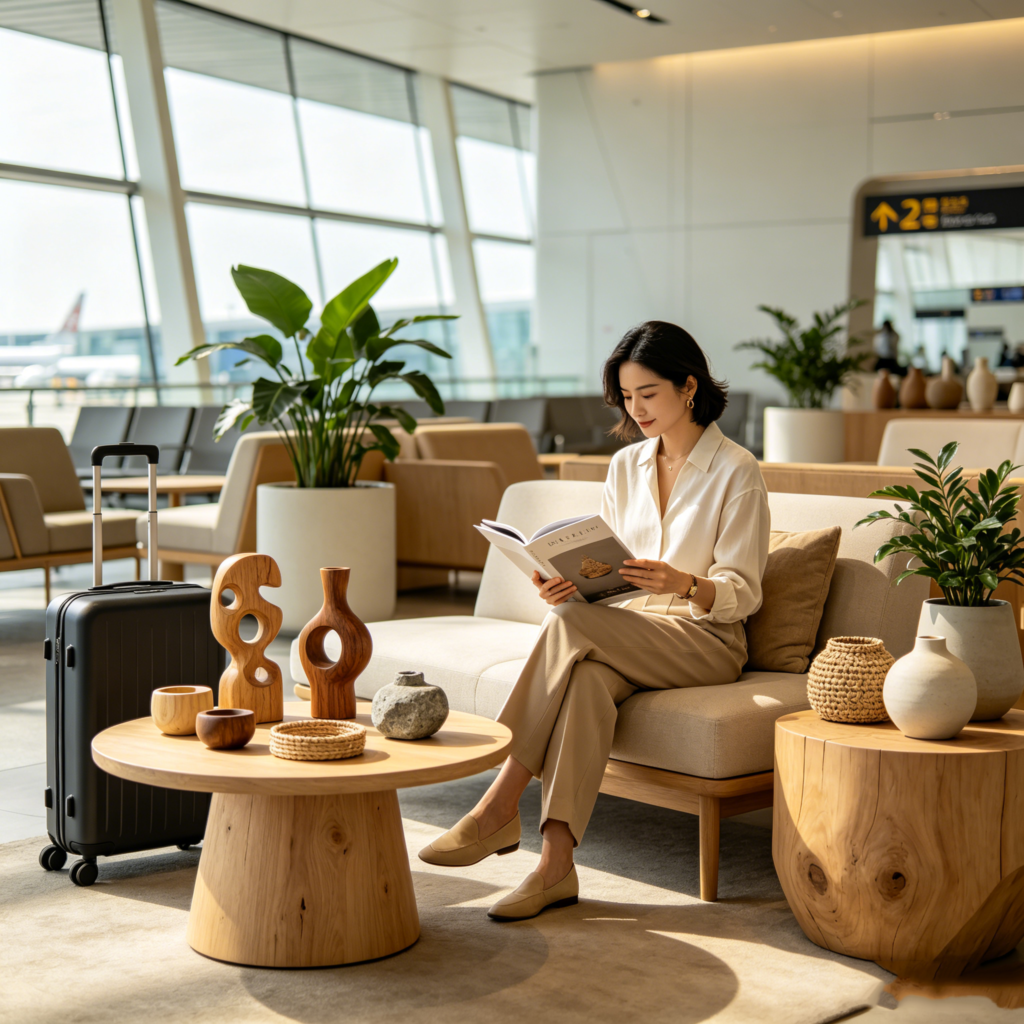
As an experienced souvenir importer, how can you ensure your factory is truly delivering a biophilic experience and not just a “greenwashed” product?
The “Integrity Audit”
An expert souvenir manufacturer should be able to provide transparency on:
- Supply Chain Provenance: Where are the natural elements sourced, and how is their extraction regulated?
- Curing and Bonding Science: How are the natural elements integrated into the resin or polymer base to ensure they don’t break down or lose integrity over time?
- Compliance Certification: Do the materials meet international safety standards (REACH, Prop 65) while still maintaining their natural, organic character?
At Craftmgf.com, we work with Category Managers to develop products that are not just “green in color” but green in their very DNA. We assist in the development of bespoke manufacturing processes that respect the volatility of natural materials while ensuring the scale-up efficiency required for 100k+ unit airport orders.
6. The 2026 Design Outlook: The Curator Traveler
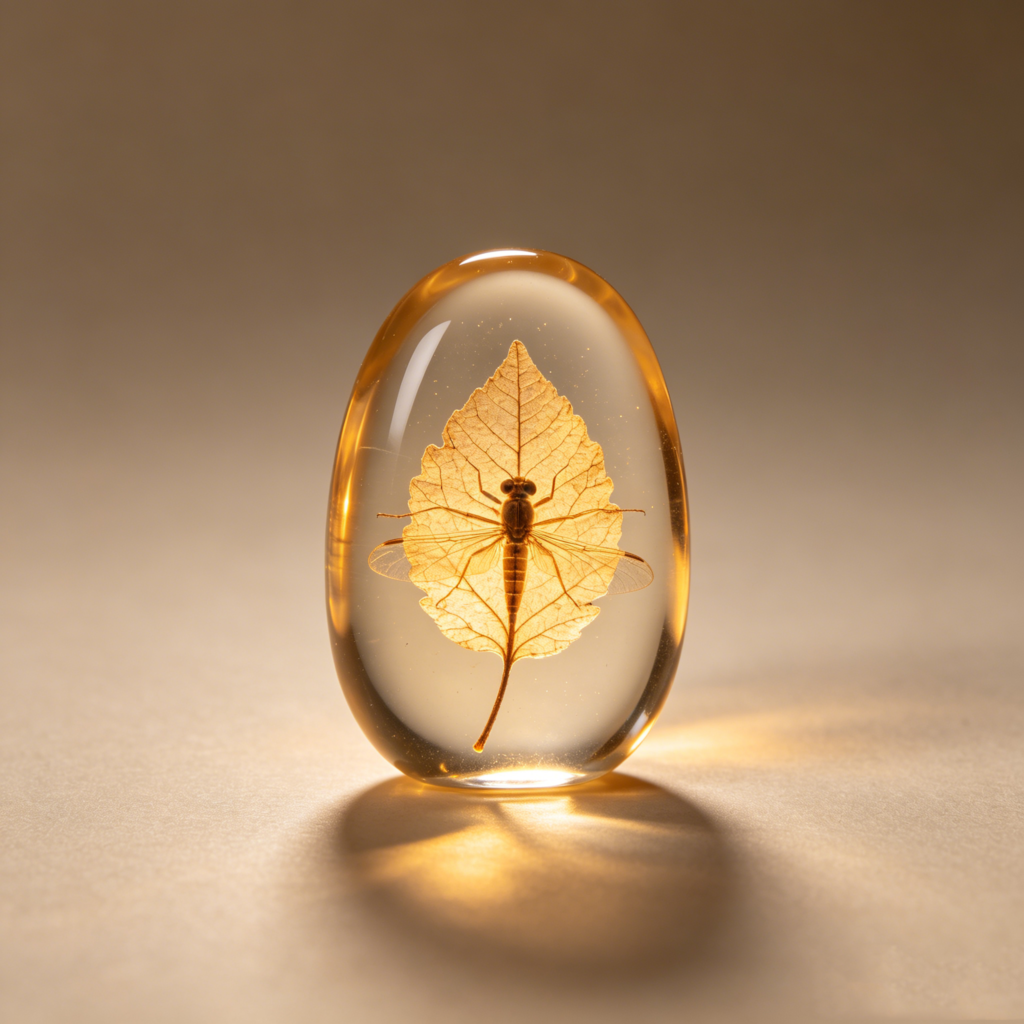
The traveler of 2026 is a curator. They don’t just want stuff; they want objects that are extensions of their personal values. Biophilic design speaks directly to this curator mindset by offering objects that feel honest, grounded, and intrinsically linked to the environment.
Retailers who continue to stock generic, synthetic-heavy inventory will find their shelves increasingly ignored. In contrast, those who embrace biophilic-integrated formats—items that feel, look, and smell like the natural world—will capture the loyalty of the modern traveler.
7. Conclusion: The Future is Organic
The transition to biophilic design is not merely a trend—it is a correction of a decades-long mistake in the souvenir industry. By integrating natural elements into our formats, we are honoring the places we visit, respecting the travelers who return home, and creating a more profitable, sustainable, and authentic retail experience.
Sourcing is a memories business; manufacturing is a data business. By merging natural aesthetics with advanced material engineering, we create products that resonate on a biological level.
Is your souvenir catalog ready for the 2026 retail shift? Contact Craftmgf.com today to discuss how we can integrate biophilic design elements into your next premium souvenir collection and help you capture the curator traveler.

- Biophilic Design Trends: Integrating Natural Elements into Traditional Souvenir Formats - May 27, 2026
- The Death of Generic Souvenirs: Why Story-Driven Design is Winning in 2026 Travel Retail - May 21, 2026
- Bulk Discounts vs. Inventory Holding Costs: Calculating the Sweet Spot for 100,000+ Unit Orders - May 13, 2026