Finding a reliable manufacturing partner in China for custom polyresin crafts is often described by importers as “navigating a minefield.” For every high-quality, professional China resin souvenir factory, there are dozens of middlemen trading companies or substandard workshops masquerading as premier manufacturers. In 2024 and 2025, with increasing global pressure on supply chain transparency and product compliance, the stakes have never been higher for tourism souvenir importers, wholesalers, and brand retailers.
Vetting a supplier isn’t just about comparing FOB prices. It is a meticulous process of trust-building through verification. A single misstep can lead to thousands of dollars lost in defective merchandise, severe port delays due to non-compliant materials, or irreparable damage to your brand’s reputation.
To guide new and experienced importers through this critical phase of souvenir product development, we have compiled the ultimate, authoritative manufacturing partnership checklist. This isn’t generic sourcing advice; this is a specialized deep dive into the technical and operational realities of custom resin manufacturer Quanzhou ecosystems—the global heart of quality resin production.
Here is your definitive 10-point checklist for vetting a Chinese resin craft manufacturer.
1. Verify True Manufacturer Status vs. Trading Company
The first hurdle is determining if you are talking to the actual factory. Many “suppliers” on B2B platforms are trading companies. While they have their place, working directly with a China souvenir factory provides critical advantages: factory-direct wholesale souvenirs pricing, total control over souvenir quality control, and faster, more accurate communication regarding custom designs.
How to Verify:
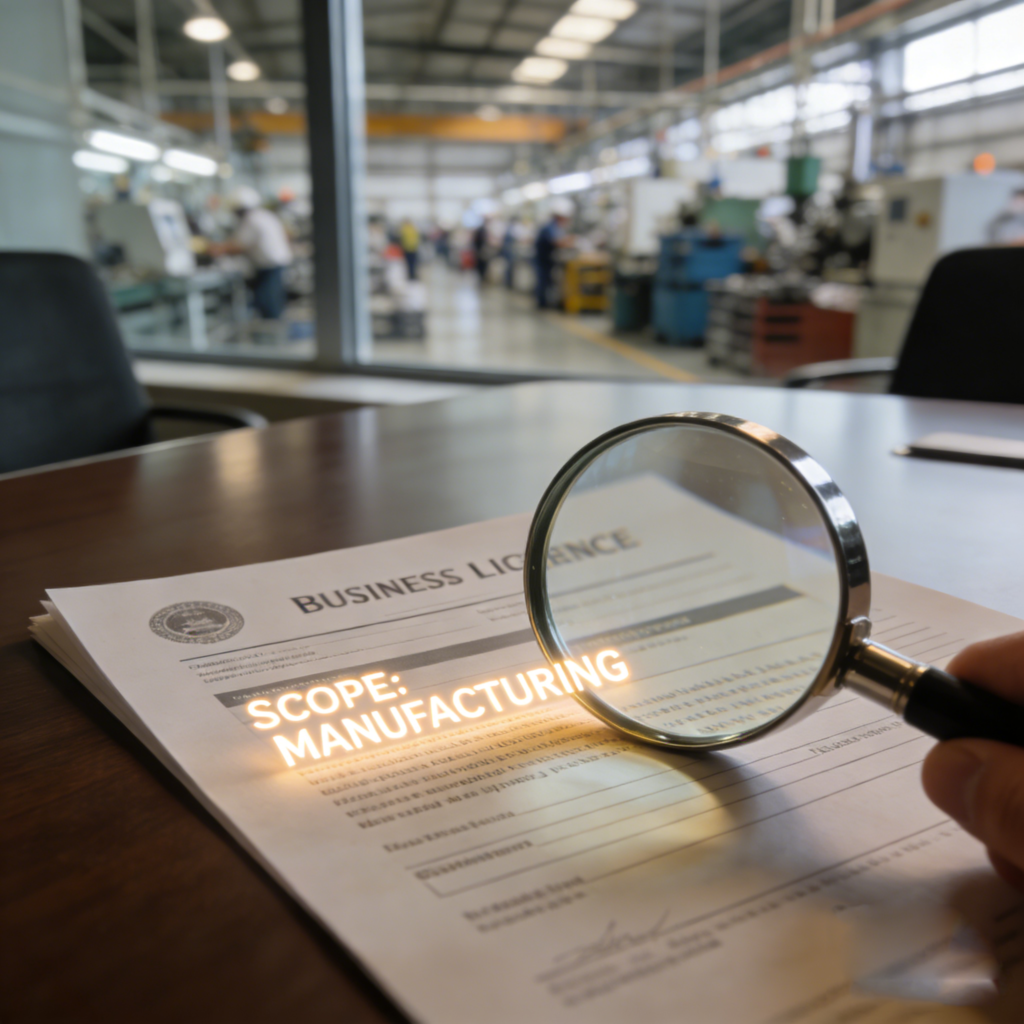
- Check Business License Scope: In China, business licenses explicitly state the scope of operations. Look for terms like “Manufacturing” or “Processing” . If it only lists “Sales” or “Consulting” , it is a trading company.
- Alibaba Profile Audit: On Alibaba, premier factories often have a “Verified Supplier” badge. Look deeper into their profile. A trading company typically has a diverse catalog of unrelated items (e.g., resin statues and plush toys). A real resin souvenir manufacturer will have a focused catalog of polyresin, sometimes expanding into related ceramic or PVC souvenir production.
- Factory Video Call: Ask for a spontaneous video call from the production line. A genuine manufacturer will accommodate this; a trading company will invent excuses.
2. Assess Sculpting Mastery and Master Mold Fidelity
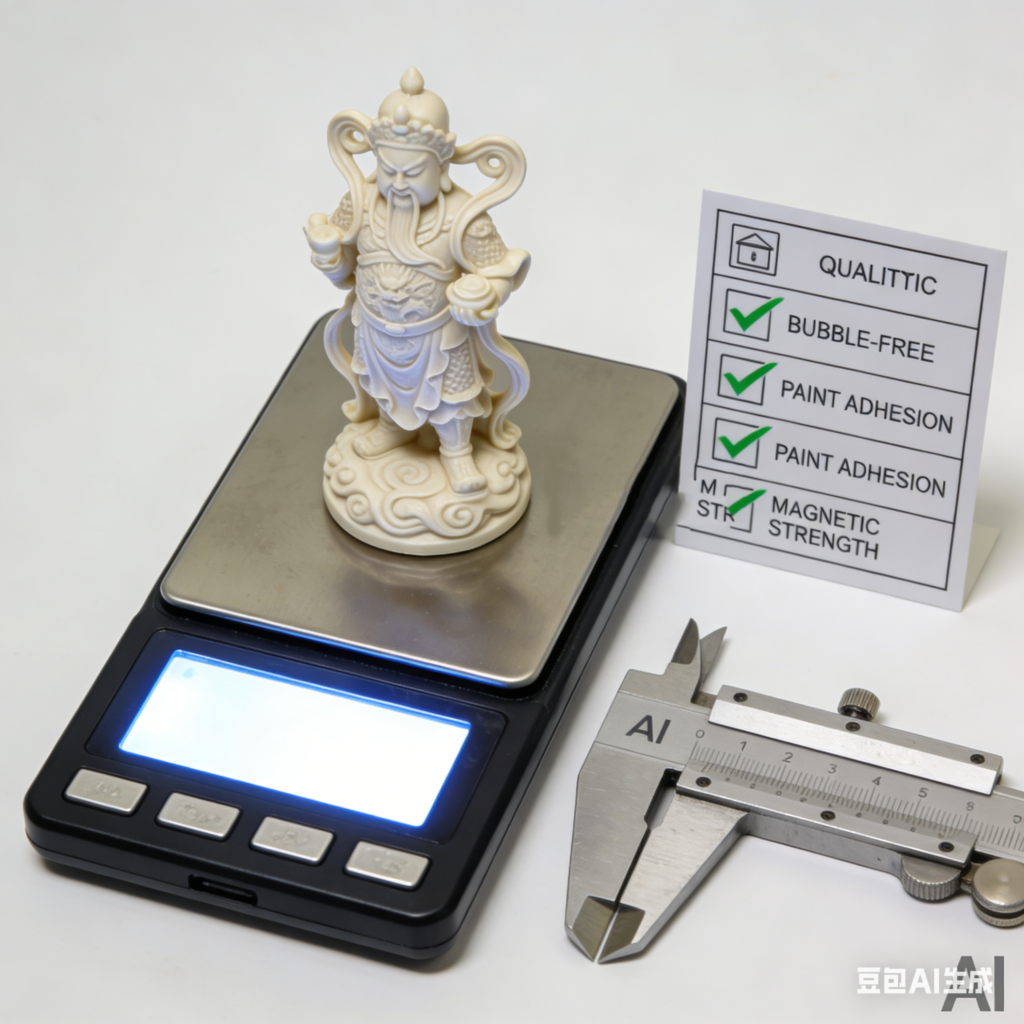
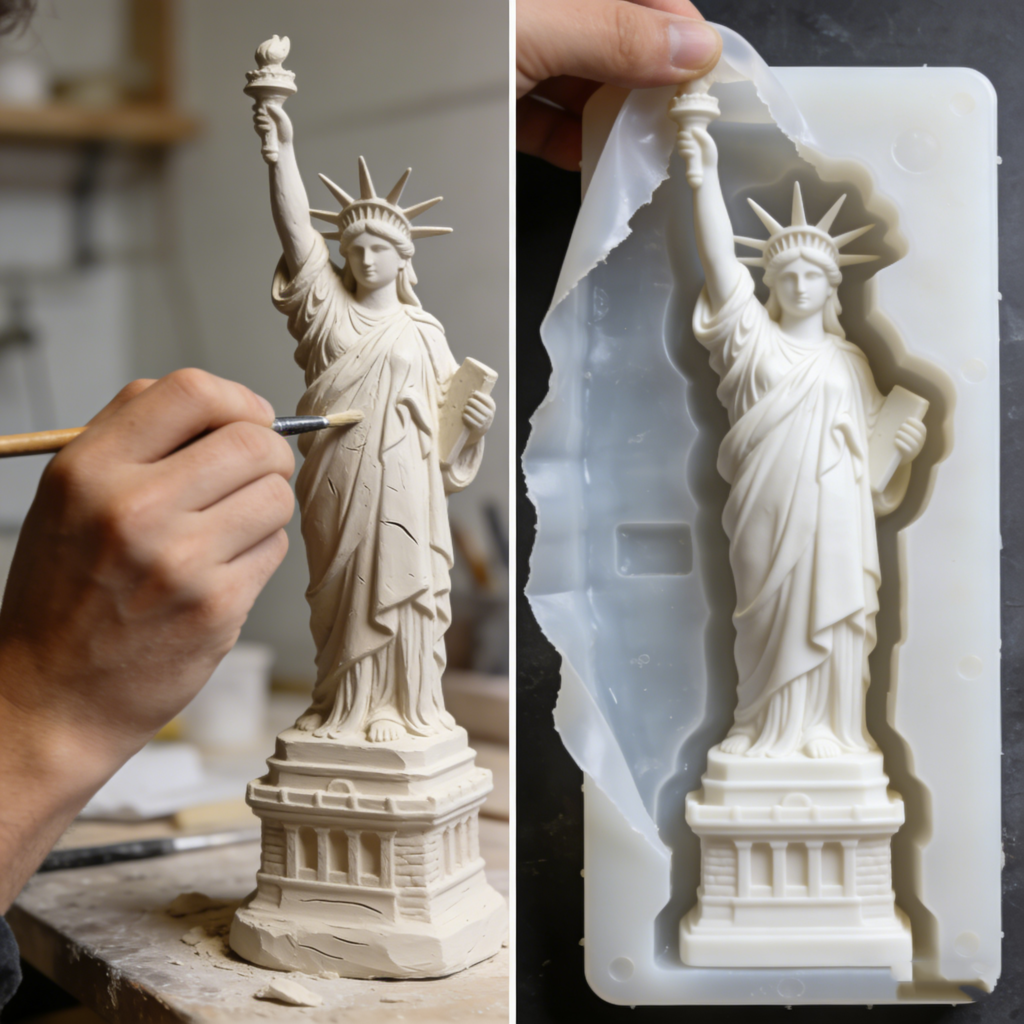
In polyresin manufacturing, the final product’s quality is limited by the quality of the master sculpture. Resin is chosen for its ability to capture complex 3D details. If the manufacturer’s design team is substandard, your intricate landmark replica or character figurine will look cheap and unprofessional.
Key Factors:
- In-House Sculptors: Does the factory have its own sculpting department? Top manufacturers in Quanzhou resin manufacturing centers employ veteran master sculptors who understand how to translate 2D artwork into production-ready 3D forms.
- Fidelity Review: Request high-resolution photos or physical samples of their most complex past projects. Check for anatomical correctness, facial expressions, architectural detail sharpiness, and symmetry. This directly impacts the souvenir product development phase.
3. Audit Specific Polyresin Quality Control (QC) Protocols
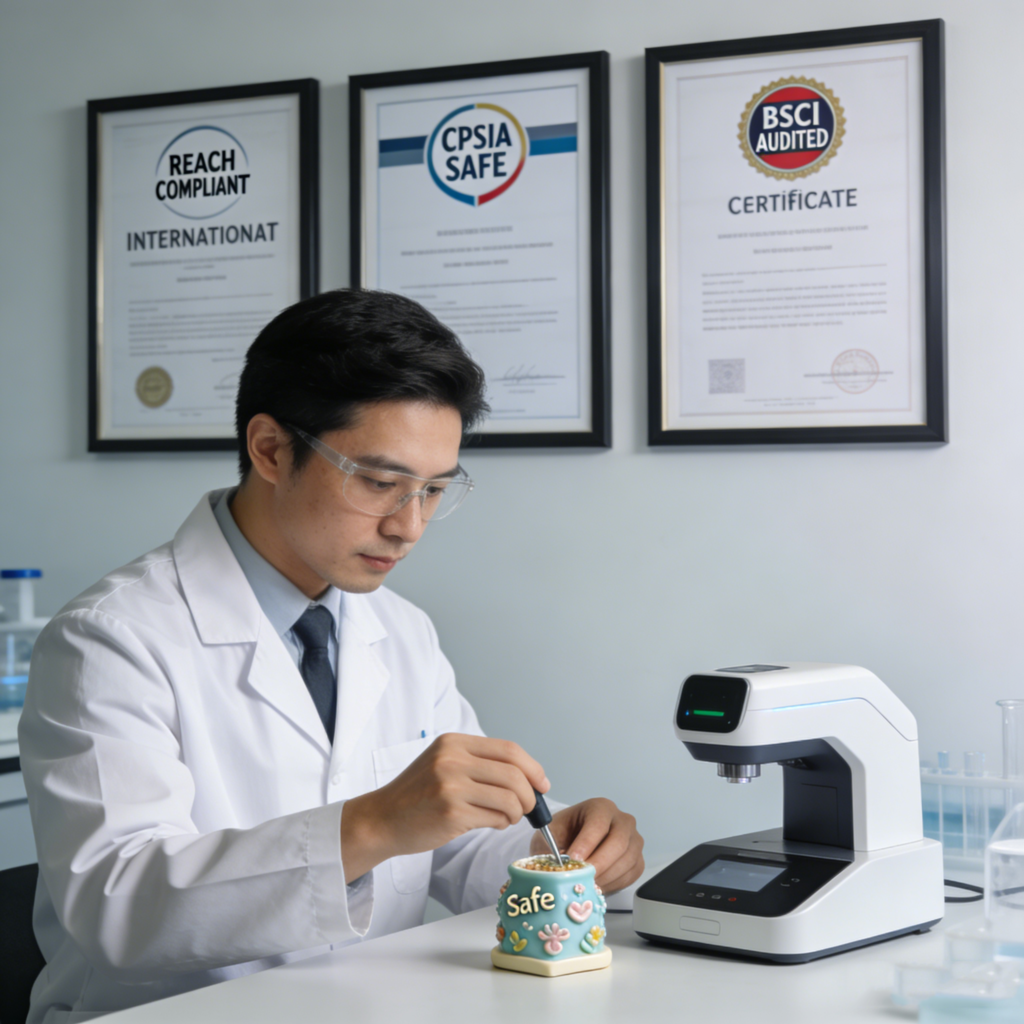
Generic quality control is not enough for resin. Polyresin has unique physical properties that require specialized inspection at every stage of the global souvenir supply chain.
The Specialized Resin QC Checklist:
A reliable manufacturing partnership must include documented QC for:
- Bubble Mitigation: Resin casting naturally creates bubbles. A quality factory uses vacuum chambers to degas the resin or employs specific pouring techniques to ensure a smooth surface. Check samples for tiny pits (popped bubbles).
- Weight Consistency: Cheaper factories often “over-fill” resin with stone powder to save on the expensive resin polymer, resulting in a lighter, more brittle product.
- Paint Adhesion: Paint flaking is a common resin defect. The factory must use proper primers and non-toxic, high-grade finishes that cure correctly. They should perform cross-hatch adhesion tests during mass production.
- Magnetic Pull (For Fridge Magnets): For custom fridge magnets, they must QC the adhesive used to secure the magnet and the magnet’s pull strength. A detached magnet is a functional failure.
4. Evaluate Material Compliance and International Certifications
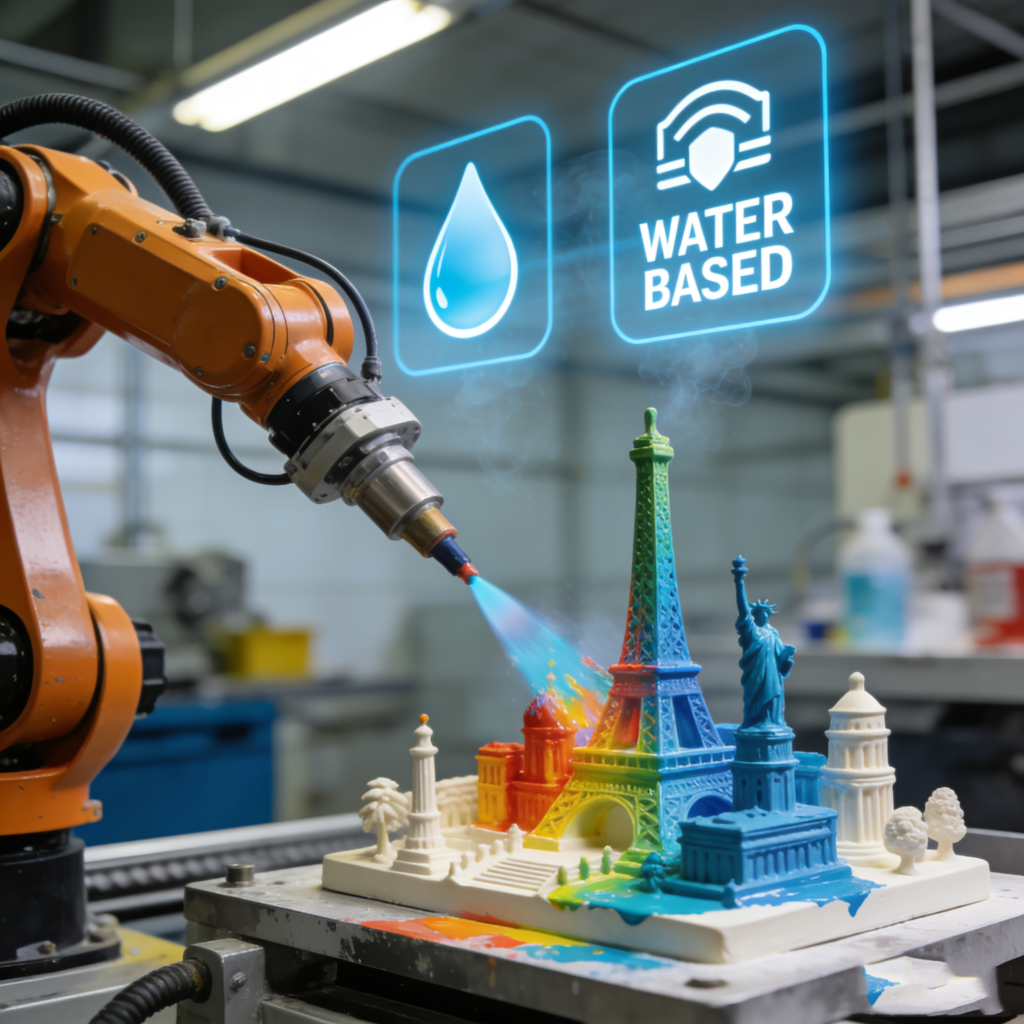
For brand retailers in the US, EU, and Australia, material safety compliance is non-negotiable. Importing non-compliant resin crafts can lead to customs seizures and massive fines. Resin itself is stable, but the painting process and specific additives must be scrutinized.
Mandatory Compliance Checks:
- Non-Toxic Paints and Finishes: The factory must prove they use paints that are heavy-metal free (lead-free). Ask for SGS or Intertek test reports for specific standards:
- US Market: Prop 65 compliance (California), CPSIA (for children’s items).
- EU Market: REACH compliance, EN71 part 3 (Safety of toys, often applied to souvenirs).
- BSCI Audits (Social Compliance): Major international retailers require that their China souvenir factory have passed a BSCI (Business Social Compliance Initiative) audit, verifying fair labor practices and safe working conditions.
5. Validate Painting and Finishing Capabilities
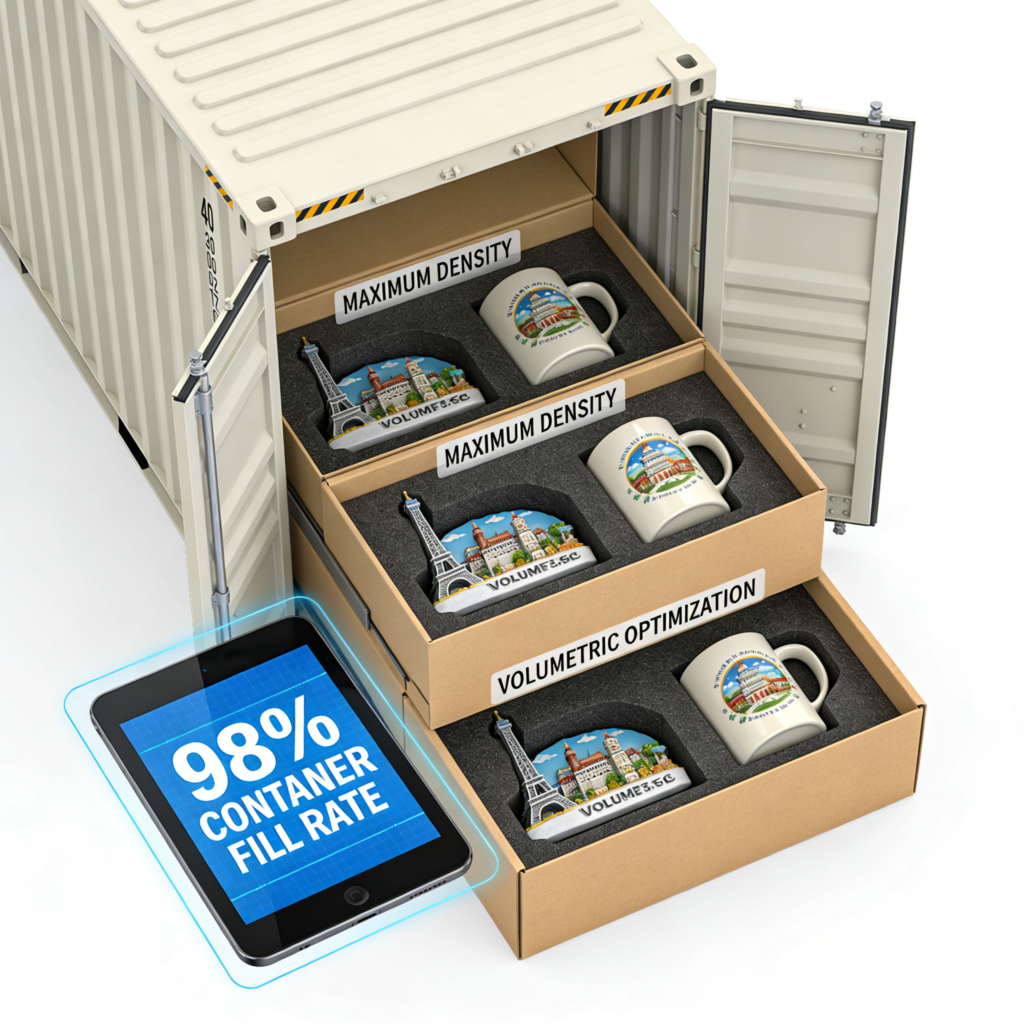
Polyresin is almost always hand-painted. This is where 70% of production time is spent. A manufacturer can produce a perfect mold but destroy the product with a sloppy paint job. The paint quality is crucial for high-detail custom souvenirs.
Vetting Painting Quality:
- Matte vs. Gloss Finishes: Ask to see samples of different finishes. A matte finish requires a cleaner base casting, while a high-gloss glaze can hide minor casting imperfections but looks cheaper.
- Detail Accuracy: Look at the eyes on character figurines or the windows on building replicas. Are the paint lines sharp? Is there paint overflow onto adjacent areas?
- Color Matching: Do they use the Pantone Matching System (PMS) to ensure your brand colors are accurate? A pro factory will ask for your PMS codes during souvenir product development.
6. Analyze Technical Packaging Engineering and Breakage Mitigation
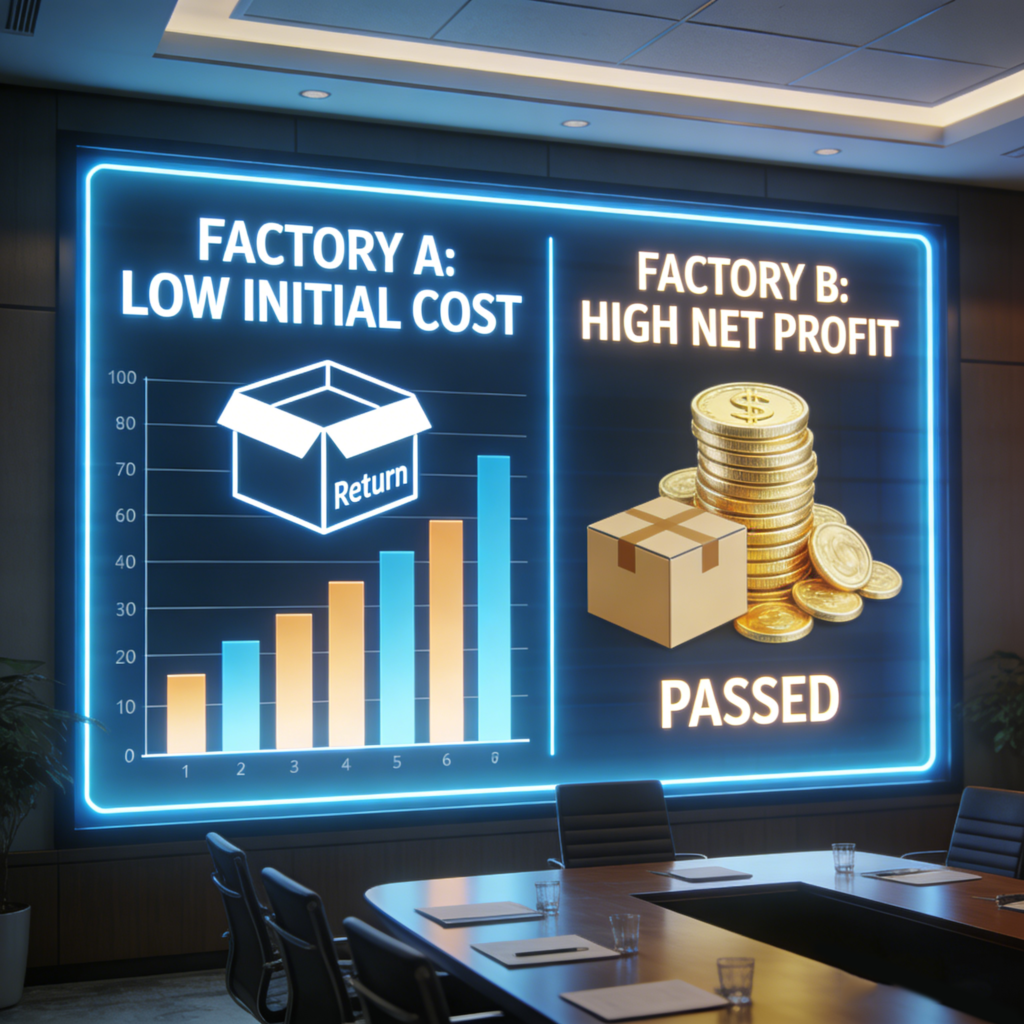
For a tourism souvenir importer, your profit optimization is directly tied to the arrival condition of your merchandise. Resin is breakable. Substandard inner packaging will negate any factory-gate pricing advantage due to high “Shrinkage” rates in ocean transit.
Strategic Packaging Analysis:
- Standard Styrofoam (EPS) vs. Specialized EPE Foam: EPS (brittle white foam) is common but offers less shock absorption than EPE (pearl cotton) foam. The best resin souvenir manufacturer will custom-engineer EPE foam inlays for complex shapes.
- Drop Testing (ISTA 1A): Ask if the factory performs standard drop tests (ISTA 1A or 2A) on their master carton packaging before shipping mass production.
- Container Fill Rate and TLC: The inner box dimensions directly impact your volumetric weight optimization. A factory that understands packaging engineering will design cartons that maximize your container fill rate, thereby reducing your Total Landed Cost (TLC).
7. Compare Technical Sourcing Pricing Data (Value vs. Cost)

Vetting a supplier based purely on the lowest FOB price is the primary mistake of new importers. You must move to a data-driven model where you compare the Total Landed Cost (FOB + Shipping + Duties + QC costs + Breakage Buffer). Passive calculation can be a major trap.The table below illustrates why the “cheapest” factory can be the most expensive in the end.
Data Comparison: The Real Cost of Substandard Vetting
Note: Data is illustrative of a bulk souvenir order of 10,000 resin magnets. For an accurate, personalized assessment, please contact Craftmgf.com.
8. Measure Lead Time Accuracy and Production Scalability

Delays at the factory mean empty shelves during your peak tourism season. Resin manufacturing is labor-intensive, particularly the painting stage. You need a partner who can manage large quantity souvenir production without compromising quality.
Factors to Assess:
- Production Timeline Transparency: A standard lead time for a bulk souvenir order of 10,000 pieces is roughly 35–45 days. If a factory quotes 20 days, they are either cutting QC corners (e.g., rushed curing times for paint) or lying.
- Scalability Buffer: Ask about their monthly capacity and their current “fill rate.” A good factory maintains a scalability buffer of roughly 20-30% to accommodate peak-season surges from key wholesalers and brand retailers without missing deadlines.
9. Gauge Communication Skills and Sourcing Strategy Guidance

Vetting communication is about more than fluent English. For an experienced souvenir importer, a great manufacturing partnership expert acts as a strategic guide within the Chinese industrial ecosystem. Passive communication creates risk. Proactive communication is a major opportunity.
Proactive Sourcing Traits:
- Technical Advice: Does the factory merely execute your design, or do they offer constructive technical advice? (e.g., “This design has many small, breakable parts; we recommend thickening this area for production casting”).
- Logistics Acumen: Can they provide accurate packing data early in the process to help you optimize your shipping plan and calculate your TLC? Understanding ports (e.g., FOB Xiamen for Quanzhou resin) is key.
10. Audit Intellectual Property (IP) Protection and Private Label Policies
For custom souvenirs or private label souvenirs, your unique design is your asset. The souvenir industry is rife with IP theft, where a factory produces your custom design and immediately starts selling it to your competitors.
Safeguarding Your IP:
- The Non-Disclosure/Non-Compete Agreement (NNN): Before sharing specific STL files or detailed design concepts, require the factory sign an NNN agreement that is enforceable in China (written in Chinese and signed by the factory’s legal representative).
- Private Label Policies: Vette their current private label production. Ask directly how they manage client-specific molds and mold storage. A reputable resin souvenir manufacturer Quanzhou factory treats client molds as private property.
Conclusion: Trust, but Verify
The path to a successful manufacturing partnership in the Chinese resin craft sector is paved with technical verification, not hope. For a tourism souvenir importer, wholesaler, or brand retailer, this checklist moves your sourcing strategy from intuition to data-driven decision-making.
By focusing on sculpting mastery, specific resin QC, material compliance, and strategic packaging engineering, you minimize the risks associated with the global souvenir supply chain. You aren’t just vetting a factory; you are engineering your profit center and securing your brand’s reputation for quality in the competitive custom souvenirs market.
Compliance is your foundation; technical optimization is your profit. Sourcing is a memories business; manufacturing is a data business. Proactive sourcing is your future. Passive exporting is a major trap. Let’s turn economic headwinds into strategic tailwinds.

- Eco-Embeds: The 2026 Design Trend of Encasing Recycled Materials in Crystal Clear Resin - April 1, 2026
- The Rise of Bio-Resins: How Soy-Based Materials are Transforming Sustainable Souvenir Production - March 25, 2026
- Private Label vs. Generic Wholesale: Which Strategy Wins in High-Traffic Airport Retail? - March 18, 2026