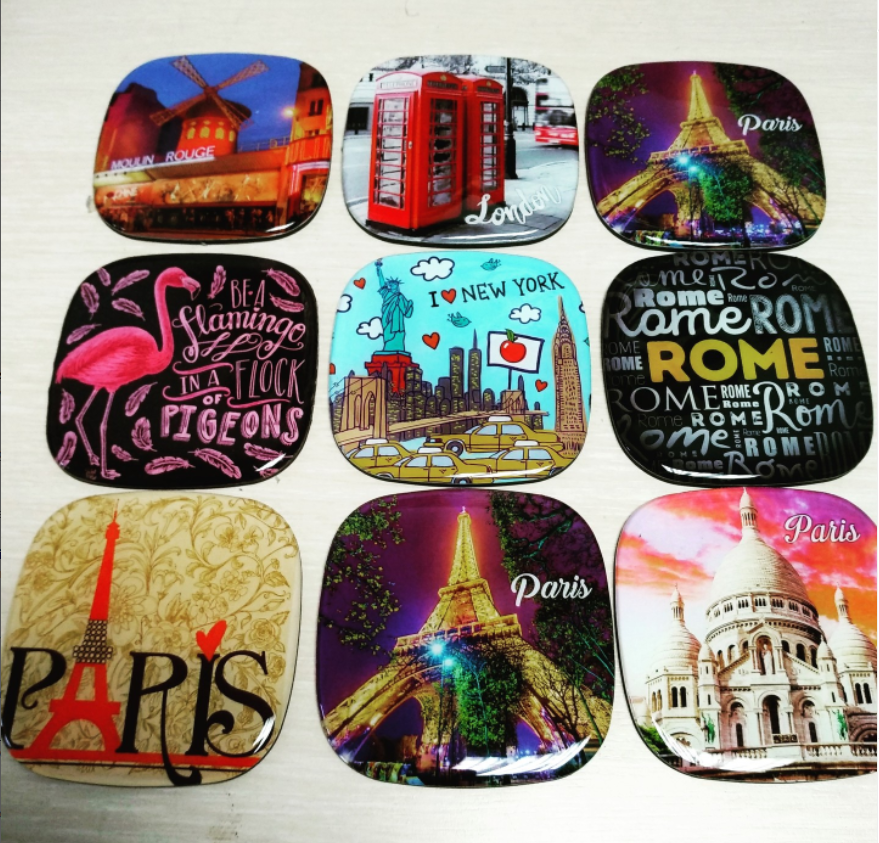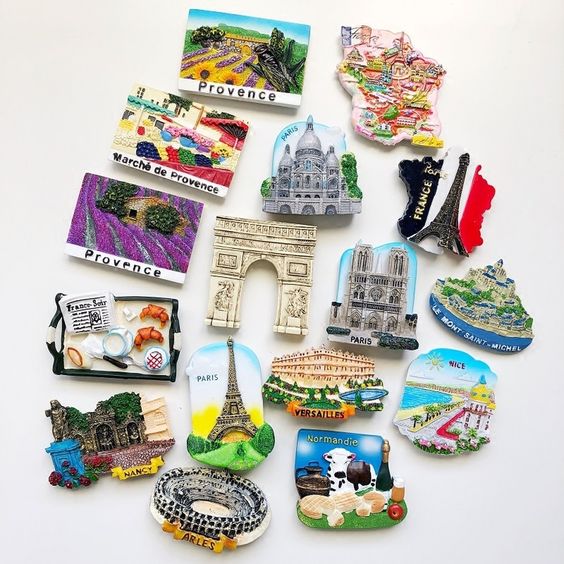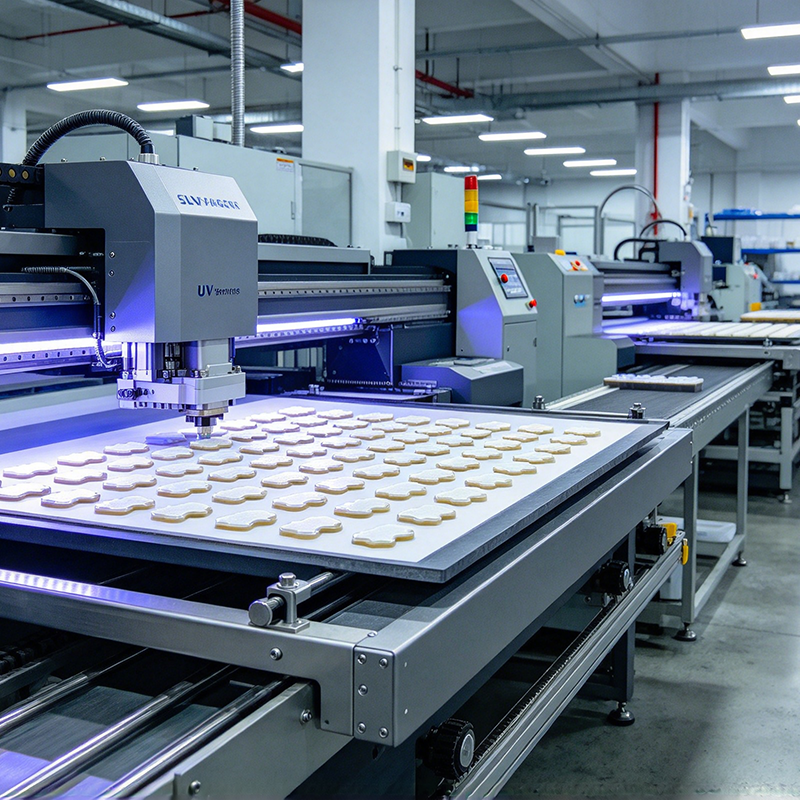
Custom mold ownership is the question that surfaces at the worst possible moment — when a supplier relationship has broken down and you need your tool back. Ask any buyer who has been through it and you will hear the same story: they paid the mold charge, they assumed the mold was theirs, and they discovered the assumption was never written down. If you are commissioning resin souvenir magnets for a museum store, a national park, an airport duty-free counter, or a city tourism program, your program contains exactly two kinds of asset. One is physical. One is intellectual. Most buyers protect the wrong one, and a few protect neither. This guide covers who actually owns a magnet mold, the ownership models you will be offered, the clauses that decide who wins a dispute, how design IP protection works in this specific category, and where a souvenir program is genuinely exposed. It is general commercial guidance, not legal advice — for a high-value range, have counsel review the paperwork.
The Two Assets in a Magnet Program — and Why Most Buyers Protect the Wrong One

A resin magnet program carries two distinct assets, and they behave in opposite ways.
The first is the tooling: the UV or screen mold, or the hand-painted mold. On a factory-direct line this is a small, one-time number — roughly $45 for a UV or screen mold and $100 for a hand-painted mold. The mold is retained on file, and reorders of the same design do not pay it again. That last detail is what makes tooling cheap over a season: the charge is amortised across every reorder, so the second run of a design costs nothing in tooling at all.
The second asset is the design: the commissioned mascot, the collection identity, the illustration, the artwork and the print specification. That is where the money and the competitive risk actually sit in this category, because a landmark photograph is replaceable and a commissioned character is not. Two buyers can both order a generic skyline magnet; only one of them owns the mascot they paid an illustrator to create.
So the standard injection-molding playbook — heavy legal machinery around a tool worth tens of thousands of dollars — is the wrong shape for a souvenir program. Your mold costs less than a single day of legal review. Your artwork can be the entire commercial value of the line. Protect the artwork properly, get the tooling terms in one page of writing, and do not confuse the two. Our own programs are tooled per design at those rates, and we treat client artwork as confidential and run it on our own floor — the questions to ask any factory are in our supplier selection guide, which is worth reading before you send a single file.
Why Paying for the Mold Does Not Automatically Make It Yours
This is the misconception that costs buyers the most, and it is worth stating plainly: an invoice line for a mold charge does not, by itself, transfer ownership.
Ownership of goods generally passes when the parties intend it to pass, and that intention is determined by the contract — not by who paid the invoice, and not by who physically holds the object. Without a clause stating that title transfers to you on a defined event, the position is ambiguous. And in the specific case of tooling held overseas, that ambiguity tends to resolve in favour of the party in physical possession, who may also assert a lien. Some suppliers’ standard terms state outright that tooling remains their property regardless of who funded it, and a buyer will not discover that until the day they try to move production.
There is a second, quieter trap: owning the steel is not the same as being able to use it. If the mold lives at a factory that also holds the print specification, the artwork files, and the process parameters, then ownership of the physical object is a partial asset. You can own a mold and still be unable to rebuild the product anywhere else. Both layers have to be addressed, which is why the documentation section below matters more than the invoice.
One practical note specific to this category: because a magnet mold is a low-value item by molding-industry standards, the failure mode is rarely a fight over the tool. It is file control — a design reused for another buyer, or a mold quietly re-run for someone else’s program. That risk is contractual and operational, not a question of steel ownership.
The Ownership Models You Will Actually Be Offered
There is no single correct commercial structure. What matters is that the structure is named in writing rather than assumed. In practice you will meet these arrangements.
Buyer-funded, buyer-owned. You pay the tooling charge in full and own the mold outright; the factory stores and runs it on your behalf. This is the cleanest model and the one that matches how a magnet program is normally priced. It requires the agreement to state a transfer trigger and to require release on request.
Amortised tooling. Rather than charging tooling separately, the factory folds it into the per-piece price. This reduces upfront cash but leaves ownership ambiguous until a recovery threshold is met. If you accept this model, the contract should name the exact quantity or dollar figure at which title transfers — a formula, not a future negotiation.
Shared investment. Both sides contribute tooling cost in exchange for volume commitments. It can reduce capital demand, but title, buyout price, and termination rights all have to be defined precisely or the arrangement becomes a dispute waiting to happen.
Supplier-retained ownership. The tooling stays the supplier’s property regardless of who funded it. This is more common with overseas suppliers and it is not automatically unfair if the tooling charge was genuinely waived — but it means you never have portability. If your program depends on being able to move production, this model is the wrong fit.
Buyer-owned with supplier custody. The most practical model for a repeating magnet line: you own it, the factory keeps it, and the agreement sets out storage, maintenance, insurance, and access obligations. Given seasonal reorder patterns and 45–60 day bulk lead times, this is usually the right structure for a museum or park program that will reorder the same design for several years.
Mold Ownership Models Compared
The table below lines the models up against the four questions a buyer should ask before paying any tooling invoice: when does title pass, how much cash goes out upfront, what risk remains, and what kind of program the model suits.
| Ownership model | When title passes to you | Upfront cash | Main risk to manage | Best suited to |
|---|---|---|---|---|
| Buyer-funded, buyer-owned | On a defined trigger — typically full payment of the tooling charge | Tooling paid upfront ($45 UV / screen, $100 hand-painted) | Release procedure and records must be written down, or ownership is theoretical | Programs that expect to reorder a design across multiple seasons |
| Amortised tooling | Only at the threshold named in the contract | None to low — recovered in unit price | Threshold left vague; supplier may claim ownership until amortisation completes | First ranges and pilot SKUs with tight upfront budgets |
| Shared investment | Per the contract, often staged | Split between buyer and supplier | Buyout price and termination rights must be defined precisely | Long-term volume commitments with a strategic partner |
| Supplier-retained | Never transfers | Usually waived or minimal | No portability — you cannot move the design elsewhere | Low-risk decorative designs you never expect to relocate |
| Buyer-owned, supplier custody | On payment, with the supplier holding the tool as custodian | Tooling paid upfront | Storage, maintenance, insurance and access terms have to be explicit | Repeating seasonal lines where reorder fidelity matters most |
The read for a souvenir program: buyer-owned with supplier custody is the default you want, and buyer-funded buyer-owned is the same thing with the custody detail spelled out. Amortisation is a cash-flow tool rather than an ownership strategy, so use it deliberately and always with a named threshold. Supplier-retained is acceptable only when you have decided portability does not matter — which is rare in a category where a successful design gets reordered for years.
The Clauses That Decide Who Wins a Dispute
Five provisions do most of the work. None of them is complicated, and together they fit comfortably on a page.
Transfer of title, with a defined trigger
State the exact event that moves ownership: full payment of the tooling charge, or completion of first-article approval, or payment of a final buyout amount. Avoid soft language such as the buyer “may own” the tool, or “will be considered the owner,” with no date and no condition attached. A workable clause concept is that title to buyer-funded tooling, including all components and associated part-specific documentation, transfers on receipt of full tooling payment, with the supplier retaining only a limited right to possess and use the tool to manufacture authorised products for you.
Custody, no-lien terms, and asset marking
Custody language defines the supplier as a custodian or trustee holding the tool for you, with no lien or security interest over it. This matters most when a supplier faces financial difficulty, changes ownership, or falls into a dispute with a subcontractor. Pair it with physical marking: a permanent tool number, your part reference, and the ownership marking. On a magnet mold this is trivial to do at production time and awkward to add later. Ask that markings not be removed or altered without written approval.
Exclusive use and anti-diversion
The tool must be used only to make authorised products for you, only at approved facilities. This is the clause that prevents your design being run for another buyer — which, as noted above, is the realistic risk in a low-value tooling category, far more plausible than a fight over the steel. If your program is a destination exclusive, this clause is the one doing the real protecting.
Storage, maintenance, and the inactive-mold question
Ownership means little if the mold corrodes on a shelf between seasons. Set out storage conditions, how normal wear is distinguished from damage, cleaning and prevention routines, and who pays for each. Then answer the question buyers forget to ask: what happens when ordering stops? A mold can sit unused for a year or two between seasonal runs, and policies differ on how long it is held free, what storage costs after that, and whether a setup fee applies when you restart production. Ask for the free storage window and the post-window charge in writing at the quotation stage, not two years later. On our own line the mold is kept on file for the design’s lifetime, and a reorder of an unchanged design does not pay the tooling charge again — but the specifics for your program are best confirmed in your quote.
Release and tooling transfer: what has to travel
The release clause should commit the supplier to package, document, and hand over buyer-owned tooling within a defined period after written request, subject only to undisputed payment obligations. Define what “the tool” includes. Ask what is a tooling transfer, and most buyers describe only the first half — the mold leaving one factory and arriving at another. A mold transfer is a two-part event, and the second part is the documentation. When it happens, the physical object is only part of the shipment. What has to travel with it:
- The mold itself, plus any inserts or location plates that form part of it
- Artwork source files, and the print or paint specification behind the face
- Process parameters: press or molding settings, cure and cycle conditions
- Material specification, including the resin formulation and pigment references
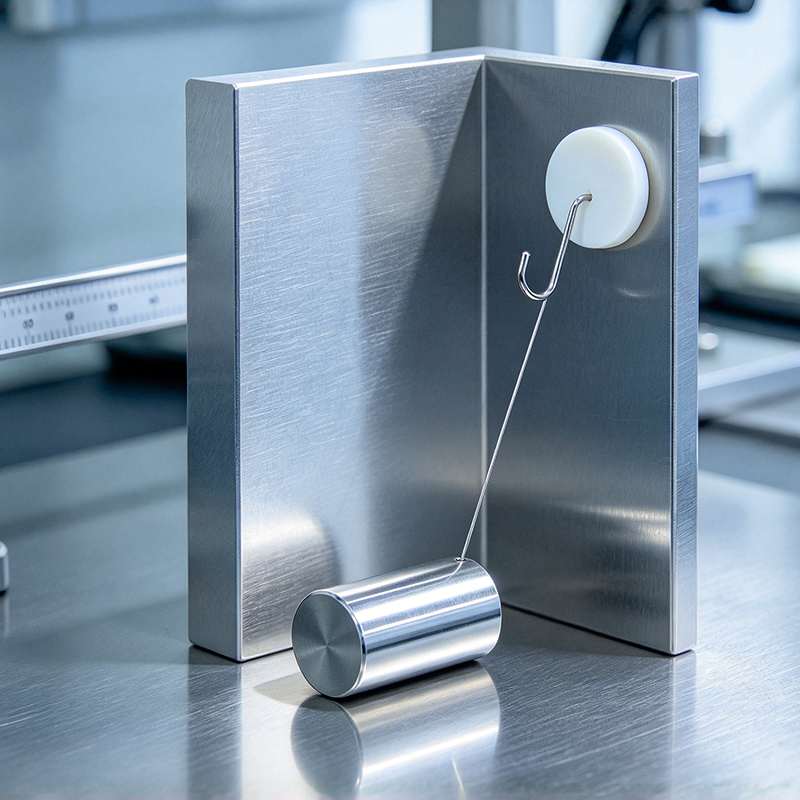
- The QC spec you have been buying against: pull-force verification against a 450g floor on 100% of output, and AQL 2.5 final inspection
- Maintenance history and any modification records
In practice a magnet program transfers more easily than most manufactured goods, because the tooling is small, the artwork is digital, and the specification is short. That is an argument for getting it documented — not an argument for skipping it. A buyer who cannot rebuild the shade of a hand-painted mascot has not really transferred the product.
NDA, NNN, or Tooling Agreement: Which Document Does What

Buyers routinely sign one document and believe they have covered all the risk. Each of these instruments does a different job, and the gaps between them are where programs get hurt.
| Document | What it actually does | What it does not do | When to sign it |
|---|---|---|---|
| NDA | Stops the factory disclosing your information to outside parties; sets a documented expectation and filters out unwilling suppliers | Does not stop the factory using your design itself, or going around you to your customers | Before you share any detailed file |
| NNN agreement | Adds non-use and non-circumvention: no making products from your design for others, no bypassing you with your own customers | Does not fix tooling title, and is weak if not drafted for the supplier’s jurisdiction | Before artwork or mold specification is shared |
| Tooling ownership agreement | Names who owns the mold, when title passes, custody terms, marking, storage, and release procedure | Says nothing about artwork rights or confidentiality | Before any mold is made |
| Manufacturing agreement | Ties the commercial terms together: spec, pricing, lead time, quality standard, IP ownership, dispute resolution | Not a substitute for registrations in the relevant markets | Before the first production order |
| Trademark / design registration | Gives you a registered right you can enforce and, where available, record with customs to block infringing imports | Does not by itself stop a factory copy that is not sold under your mark | Before public disclosure — and in the manufacturing country early |
| Quality agreement | Defines defect classification, the inspection standard, warranty and rework responsibility | Does not address ownership or confidentiality | Before mass production |
The combination that covers a magnet program is an NNN rather than a plain NDA, a one-page tooling ownership clause, and the registration you rely on in your own markets. Note the enforceability reality: pursuing a breach across borders is slow and expensive, which is why these documents work mainly as deterrents and as seriousness tests. A supplier who readily signs a properly drafted agreement is telling you something. One who resists, or who will only sign their own standard terms, is telling you something equally useful before you have risked anything.
OEM vs ODM: What You Own by Default in a Magnet Program
The ownership default flips depending on which model you are buying, and this is the single most common source of misplaced confidence in this category.
Under OEM — you supply the design and specification, the factory builds to it — the design, drawings, and tooling derive from your input, so the IP should belong to you by default. It still has to be stated, because assumptions differ. Under ODM — the factory develops the product and you brand it — the factory owns the underlying design, and you own your brand, your packaging, and whatever modifications you specified. That means the factory can legally offer the same design to another buyer under a different brand.
Both models are supported on our line, and both are legitimate. The trap is a buyer assuming they are in an OEM relationship when they are actually buying an ODM design and merely choosing the colours. If your program is a museum exclusive, or a mascot you commissioned, make sure the artwork was created for you and that this is reflected in writing. If you want exclusivity over an ODM design, that has to be negotiated explicitly — typically as an exclusive design arrangement for your market or a buyout of the design. Exclusivity terms are confirmed per program rather than assumed, so raise it at the RFQ stage, and see our breakdown of the manufacturing processes for how OEM and ODM map onto UV, screen, dome, and hand-painted work.
Where Souvenir Magnet IP Is Actually Won or Lost: The Artwork
In this category, design IP protection is mostly an artwork problem. Three things decide the outcome.
Commissioned mascots versus photographic landmark art
Not all magnet designs carry equal IP weight, and it pays to know which one you are buying. A photographic landmark image is weak territory: the building is not yours, the photo may not be, and a competitor can produce a near-identical magnet without copying you at all. A commissioned mascot, an original illustration, or a distinctive collection identity is strong territory, because it is a creative work with a creator and a date. If a program’s value depends on being hard to copy, invest in original artwork rather than a photograph of something everybody can photograph. Our artwork preparation guide covers how to brief and deliver those files properly.
Register where you sell — and where it is made
Rights are territorial, and registration systems in many manufacturing countries are first-to-file: whoever files first owns the mark there, regardless of who created or used it first elsewhere. A brand registered only at home has no protection in the country where the product is made, and a third party filing first can block the original owner from exporting under their own name. The practical sequence is to register your brand and, where relevant, your distinctive design in your main sales markets and in the manufacturing country, before you share finished files. The most common version of this question is blunt: should I register my trademark in China before I start sourcing? The answer is yes, and earlier than most buyers do it, because a third party filing first can block the original owner from exporting under their own name. Copyright in original artwork generally arises on creation, which is why dated records of your design files matter: keep them, because they are the evidence.
Stage what you send, and when
Most design exposure happens before any agreement exists. Early conversations can work from dimensions, a general spec, or a low-resolution mockup rather than layered source files. Save the print-ready artwork, exact colour references, and complete mold specification for the supplier you have actually contracted with, after the agreement is signed. It costs nothing to stage disclosure, and it removes the most common way a design leaks — which is not espionage, but a complete file sent to an unvetted recipient.
Reading a Factory’s IP Stance Before You Send Anything
You can assess most of this in one conversation, before any file changes hands. Warning signs: reluctance to sign any confidentiality agreement at all; insistence on using only their standard terms; unwillingness to name who else accesses your files; a catalogue full of designs that closely track well-known brands; pressure to skip registration “to save time”; and no clear answer on whether the mold is retained, for how long, and who may use it. Positive signs: a willingness to sign a properly drafted agreement, and specifically a bilingual one when the supplier is overseas; a clear, specific answer about file handling and who can see your artwork; a stated tooling retention practice; and transparent lead times and QC standards stated as numbers rather than adjectives. On our line, the answers are concrete by default: 1,200 pieces minimum per design, sampling in 7–21 days, bulk in 45–60 days from sample approval, AQL 2.5 inspection, 450g pull force verified on 100% of output, EPE foam insert trays in lot-numbered cartons, and REACH, CPSIA and EN71 lab reports issued per program rather than promised generically.
Exclusivity for Museum, Park, and Destination Programs
Exclusivity is the commercial version of IP protection, and it matters more in this category than in most, because the buyer’s brand is often tied to a place.
A museum that commissions a magnet for a specific exhibition does not want the same design on a rack down the street. A national park does not want its mascot available to a competing concession. A city tourism board buying through public procurement may be required to show that the goods it commissioned are distinctive to the destination. So the question is not only “who owns the mold” but “who else may the design be sold to.”
Exclusivity is negotiated, not assumed, and it has a cost structure: an exclusive design has to be worth more to the factory than the open-edition volume it gives up, which is why exclusivity usually comes attached to a volume commitment, a buyout, or a longer programme. If you want destination exclusivity, raise it at the RFQ stage and confirm the territory and duration in writing. It is also worth noting that exclusivity works both ways: an exclusive design is one you are committing to as well, and it is a poor fit for a test SKU with no proven demand. Prove the design first, then negotiate the exclusivity around actual reorder volume — and remember that the tiered pricing breaks at 5,000, 20,000, and 50,000 pieces give you a natural lever, because a committed volume is the cleanest currency for exclusivity.
Common Mold Ownership and IP Mistakes B2B Buyers Make
- Assuming payment equals ownership. An invoice line is not a title clause. Ownership follows the contract, not the receipt.
- Having no tooling document at all. A one-page clause is enough for a magnet program. Having nothing is the expensive option.
- Forgetting the digital half of the asset. Artwork files, print specifications, and process parameters travel with the job, not with the steel.
- Never asking about inactive-mold storage. The policy is usually in someone’s head until you ask, and it matters on your second season.
- Confusing an NDA with protection. An NDA stops disclosure, not use. You need non-use and non-circumvention.
- Buying an ODM design and believing you own it. Without a written exclusivity arrangement, the same design can be sold to another buyer.
- Sending layered source files to an unvetted factory. Stage disclosure; quote from a mockup before you release print-ready artwork.
- Registering only at home. Rights are territorial, and manufacturing hubs are often first-to-file.
- Investing legal effort in the tool and none in the artwork. The $45 mold is not the asset. The mascot is.
- Never keeping dated design records. Files with dates are evidence; files without them are just files.
Frequently Asked Questions
Who owns the mold in custom manufacturing?
Whoever the contract says owns it. The common expectation is that if you paid the tooling charge you own the mold, and in a fair arrangement that is how it should work — but ownership generally follows the parties’ documented intention rather than the invoice. Without an explicit clause naming a transfer trigger, the position is ambiguous, and a supplier in physical possession of the tool may assert a claim or a lien. The fix is a short written clause, not a legal battle.
Do I pay for the mold again on every reorder?
No. On our line the mold is retained on file and a reorder of the same design does not pay the tooling charge again — the one-time charge is amortised across every subsequent run. Two caveats. If the artwork changes even slightly, including new text, a resized shape, or a different backing, that is a new mold rather than a free reorder. And a supplier who cannot find your mold between orders is showing you a file-control problem, not a charge you should agree to pay twice. Ask about retention and its duration before you place the first order.
Can I take my mold to another factory?
Only if the contract says you may. Portability depends on two things: title, which requires a transfer trigger, and a release procedure committing the supplier to package and hand over the tool, along with the artwork files, print specification, process parameters, and QC standard, within a defined period after written request. A magnet mold is small and the specification is short, so a transfer is genuinely practical in this category — which is exactly why the terms should be written down before it is needed rather than after.
Is an NDA enough to protect my design?
No, and this is the most common gap. An NDA stops the factory disclosing your information to outsiders. It typically says nothing about the factory using your design itself, and nothing about going around you to deal directly with your customers. For a manufacturing relationship you want an NNN agreement — non-disclosure, non-use, and non-circumvention — and for a factory overseas it should be drafted for that jurisdiction, ideally in both languages, with a defined penalty. Treat the agreement as a deterrent and a seriousness test rather than an absolute shield, because cross-border enforcement is slow and costly.
Can I get exclusivity on a souvenir magnet design?
Yes, and in destination retail it is often worth asking for, because a museum, park, or tourism board usually does not want its design available to a competing outlet. Exclusivity is a negotiated commercial term rather than a default: it is normally tied to a volume commitment, a design buyout, or a multi-season programme, because an exclusive design has to be worth more to the factory than the open-edition volume it forgoes. Confirm the territory and duration in writing, and negotiate it after you have proven demand rather than on a first test SKU.
What happens to my mold if I stop ordering?
That depends on the storage and inactivity terms, which is why they should be agreed at the quotation stage. Policies differ on how long a mold is held free of charge, what storage costs once it goes dormant, and whether a setup fee applies when production restarts. If a magnet line runs seasonally, a design may sit unused for a year or more between runs, so ask three questions in writing before the final order ships: what is the free storage period, what is the charge after it, and will a small annual order keep the tool active. Confirm that occasional emails do not reset the inactivity clock.
How do I stop a factory copying my artwork?
Four things, in this order. Sign a properly drafted NNN agreement before you share anything. Stage disclosure, quoting from a mockup and releasing layered source files only to a contracted supplier. Register your brand and distinctive design in your own markets and in the manufacturing country, since rights are territorial and many manufacturing hubs are first-to-file. And keep dated records of your design files as evidence. Then watch the market rather than trusting the paperwork alone — catching a problem while you still hold ongoing orders is faster and cheaper than pursuing it after the relationship ends.
Request a Quote
A well-run program answers these questions before you ask them. Tooling at $45 for a UV or screen mold and $100 for a hand-painted mold, charged once, retained on file, and not re-charged when you reorder the same design. Artwork treated as confidential and run in-house rather than circulated. Sampling in 7–21 days, bulk in 45–60 days from sample approval, and QC stated as numbers: AQL 2.5 inspection, 450g pull force verified on 100% of output, a 48-hour yellowing test at 6500K retail light, EPE foam insert trays in lot-numbered cartons, and REACH, CPSIA and EN71 lab reports issued per program. Priced factory-direct with no trading-company markup, at a 1,200-piece minimum per design so you can prove a design before committing a season to it.
If you are planning a museum, park, airport, or city tourism magnet line and you want the tooling terms, the artwork handling, and the exclusivity position stated plainly before you commit, send us your artwork and your questions. We quote within 24 hours, and we will tell you straight what your program owns, what it needs registered, and which terms belong in writing — so your first order is the start of a multi-season line, not the beginning of a supply dispute.

- Custom Mold Ownership & Design IP Protection for Souvenir Magnets: A B2B Buyer’s Guide (2026) - October 9, 2026
- Custom Fridge Magnet Packaging & Barcodes: The B2B Guide to Retail-Ready Presentation (2026) - September 30, 2026
- Souvenir Magnet Safety Standards: A B2B Buyer’s Guide to REACH, CPSIA & EN71 (2026) - September 23, 2026