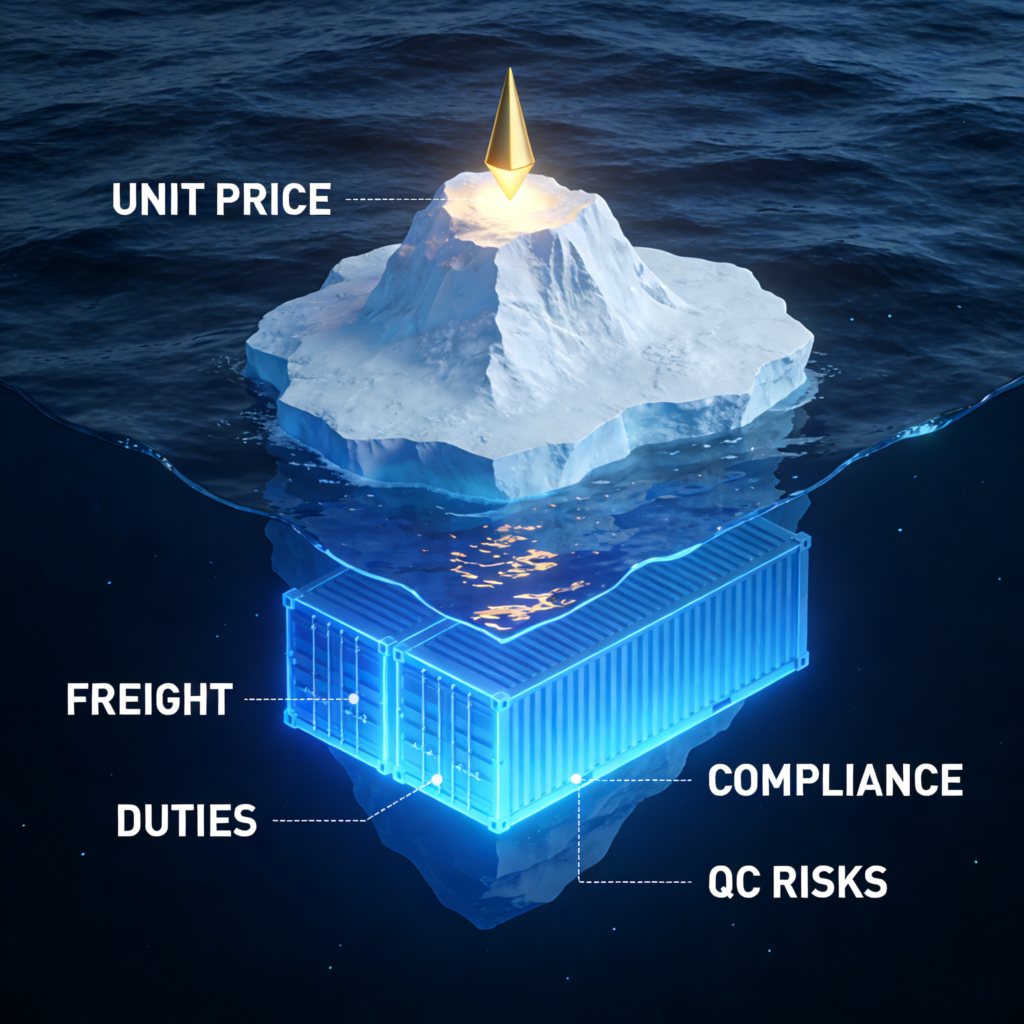
In the high-stakes world of global travel retail and souvenir procurement, there is a siren song that has led many experienced importers toward margin erosion: the low unit price.
For a Category Manager at a global group like Hudson, Dufry, or a national park concessionaire, the “FOB Quanzhou” or “FOB Ningbo” price is a comfortable metric. It fits neatly into a spreadsheet. However, in the 2026 economic landscape, the unit price is no longer an accurate predictor of profitability. It is, in fact, a dangerous trap.
At Craftmgf.com, we don’t just manufacture resin souvenirs; we engineer supply chain solutions. To move from being a “buyer” to a “strategic sourcing leader,” you must master the Total Landed Cost (TLC). This is the only metric that accounts for the reality of the global souvenir supply chain—from the factory floor to the retail shelf in London, New York, or Singapore.
1. The Anatomy of a Quote: The Visible vs. The Invisible
When you receive a quote for 50,000 custom resin magnets, the unit price represents only the “visible” cost. A strategic Total Landed Cost (TLC) analysis reveals that the unit price often accounts for less than 60% of the actual capital required to get that product into your distribution center.
Passive sourcing focuses on the $0.45 vs. $0.50 unit price. Strategic sourcing focuses on the logistics density, compliance fees, and risk-adjusted lead times. If a $0.45 product is packaged poorly, occupying 20% more CBM (Cubic Meters) in a shipping container, your “savings” are instantly vaporized by freight costs.
2. The Packaging Engineering Factor: The “Air” You Are Buying
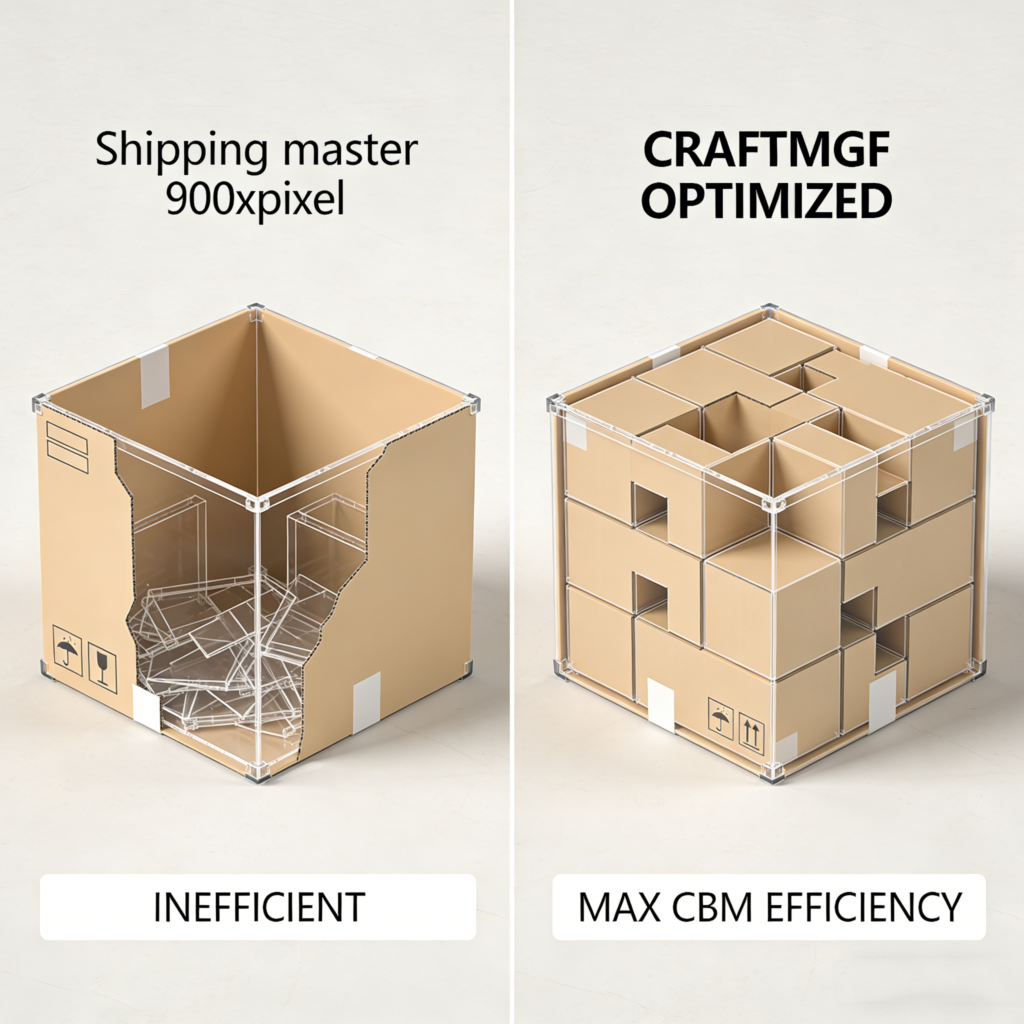
One of the most overlooked components of wholesale souvenir distribution is packaging engineering. Most “cheap” factories focus on the fastest way to box a product. At Craftmgf.com, we view the box as a financial instrument.
If your China souvenir factory uses oversized inner boxes or inefficient master cartons, you are effectively paying international ocean freight rates to ship Chinese air. By optimizing the CBM volume through custom-engineered inner trays and vacuum-sealed polybags (where applicable), a manufacturer can often reduce the per-unit shipping cost by 10% to 15%. This reduction is far more impactful than haggling over a few cents on the factory floor.
3. Data Comparison: The “Cheap Factory” Trap vs. The Strategic Partner

To illustrate the danger of unit-price-centric thinking, let’s look at a forensic cost comparison for a bulk order of 20,000 high-detail 3D figurines destined for the EU market.
| Cost Component | “Cheap” Factory A (Unit-Price Focused) | Strategic Partner B (TLC-Focused/CraftMGF) | B2B Impact Analysis |
| Unit Price (FOB) | $1.85 | $2.05 | Factory A looks “cheaper” on paper. |
| Packaging Efficiency | Standard (High CBM) | Optimized (Low CBM) | Partner B fits 15% more units per container. |
| Freight Cost per Unit | $0.45 | $0.38 | Engineering saves $0.07 per unit in shipping. |
| Compliance & Testing | Generic (High Risk) | Certified (REACH/Prop 65) | Factory A risks $20,000 in customs fines/rejections. |
| QC & Defect Rate | 4% (AQL 4.0) | 1% (AQL 2.5) | Partner B saves $600 in retail returns/waste. |
| Duty/Tariff Handling | Standard | Optimized HTS Coding | Proper coding can reduce duty by 2-3%. |
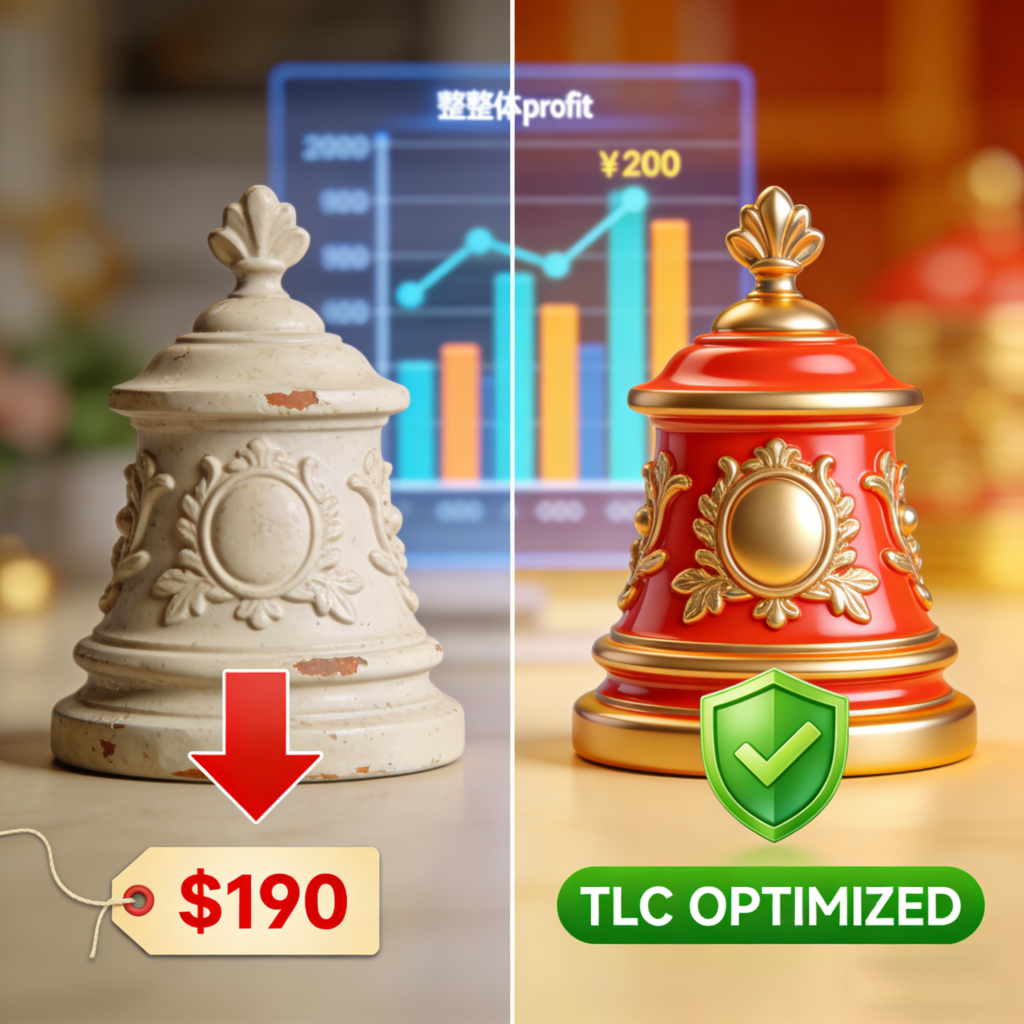
| Total Landed Cost (TLC) | $2.68 | $2.61 | Partner B is cheaper despite higher unit price. |
4. The Compliance Weight: The Hidden Invoice of Global Retail
For global souvenir importers, compliance is not an “extra”—it is a binary requirement. If you are supplying a major airport retail group, your products must meet REACH (EU) or Prop 65 (USA) standards.
Factories that offer the lowest unit prices often cut corners on material purity or skip the souvenir quality control steps necessary to ensure non-toxic paint and resin formulations. A single failed test at a port of entry doesn’t just result in a fine; it can result in the destruction of the entire shipment and the permanent blacklisting of your brand by major retailers. When you calculate TLC, you must include a Risk-Adjusted Compliance Premium. Investing $0.02 more per unit in a manufacturing partnership with a BSCI-audited factory is actually a form of insurance that protects your entire margin.
5. Quality Failure Costs: The Aftermath of the Sale
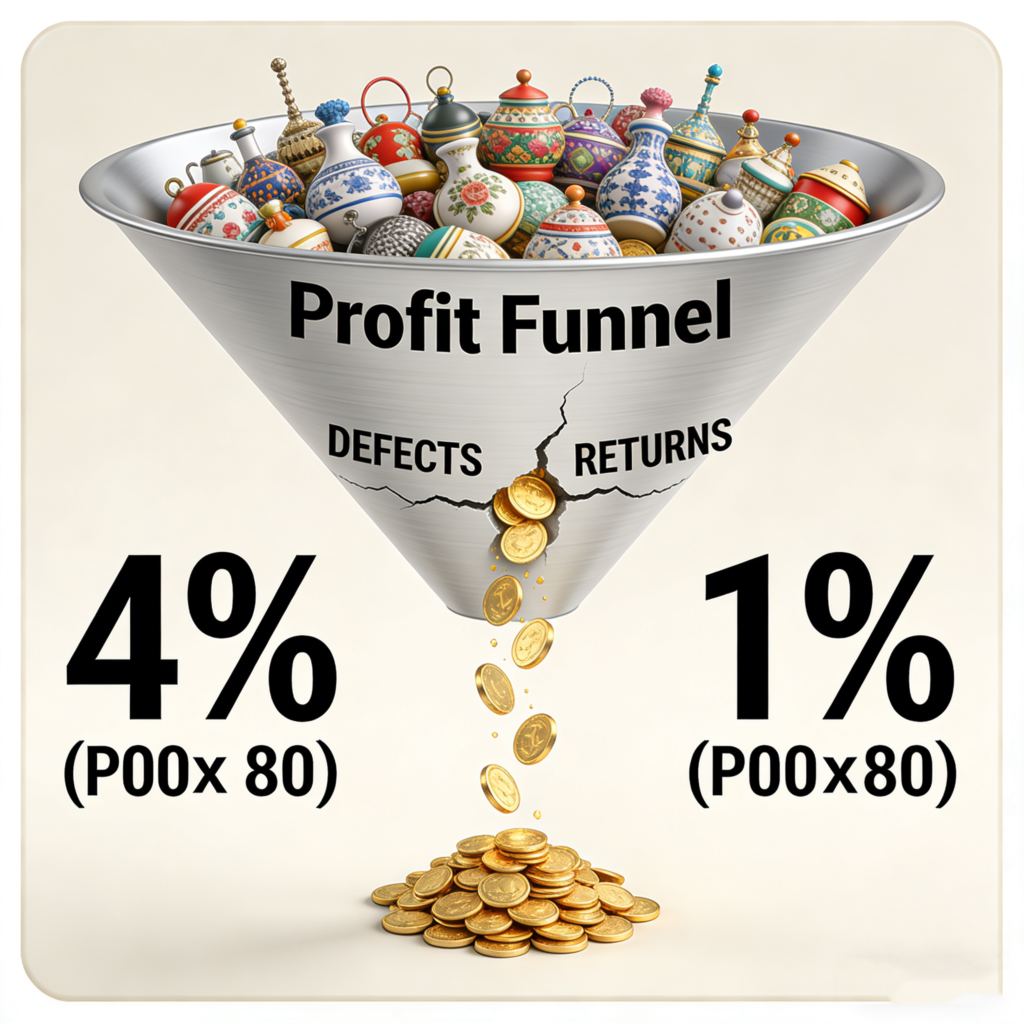
In the souvenir business, a sale isn’t a sale until the customer takes the product home and it doesn’t break. “Cheapness” often reveals itself 90 days after the invoice is paid.
- The Internal Failure Cost: Defects found during your own warehouse inspections.
- The External Failure Cost: Returns from retail partners and damage to your reputation.
If Factory A has a 4% defect rate and Factory B (the strategic manufacturing partner) has a 1% defect rate, the 3% difference is not just 3% of the unit price. It is 3% of the total landed cost, plus the labor cost of processing returns and the opportunity cost of the lost shelf space.
6. Duty, Tariffs, and the 2026 Strategic Landscape
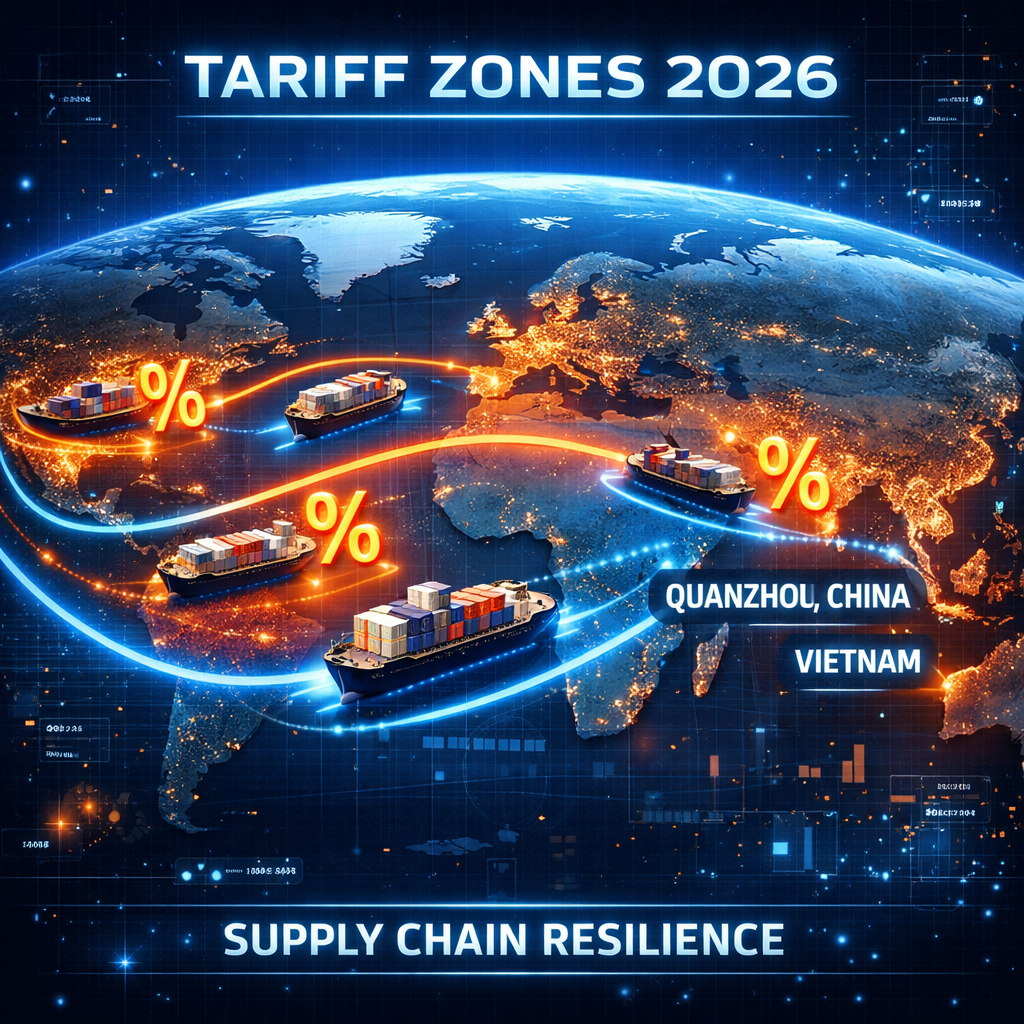
The geopolitical landscape of 2026 has made Total Landed Cost (TLC) analysis more complex. With fluctuating tariffs and the rise of “multi-polar sourcing” (China-Plus-One), a Category Manager must decide between a China souvenir factory and custom souvenirs manufacturing Vietnam.
While Vietnam might offer lower tariffs for certain US-bound shipments, the raw material supply chain for resin is still heavily centered in China. This means that a “Vietnam-made” product might have higher internal logistics costs for the factory, which are passed on to you. A true TLC audit looks at the origin-to-destination tax implications, not just the labor cost of the country of origin.
7. Inventory Opportunity Cost: The Price of “Being Late”
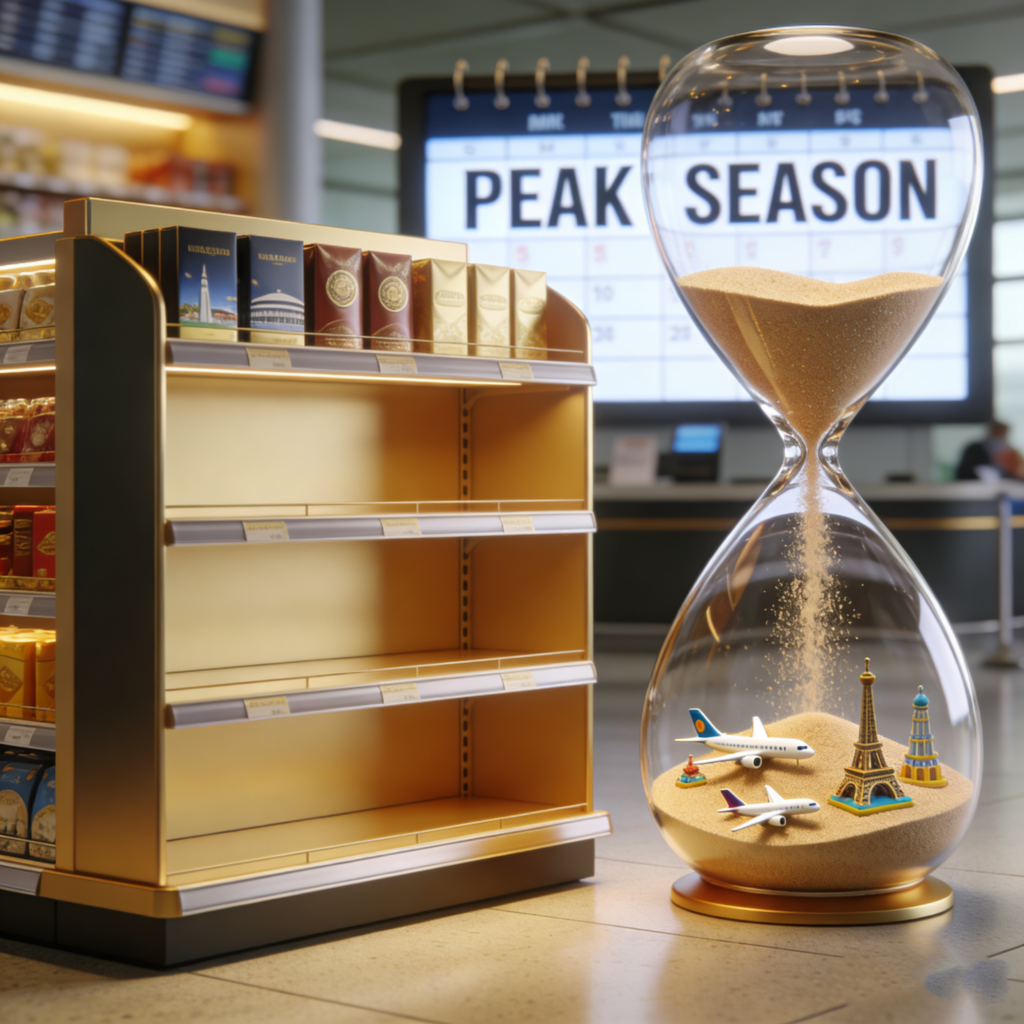
A low unit price is worthless if the product arrives after the tourism peak. Low-cost factories often overbook their capacity, leading to production delays. In the souvenir trade, a product that arrives in September instead of June has a carry-over cost—you have to pay to store that inventory for nine months until the next season.
A strategic partner who guarantees lead times through large quantity souvenir production expertise ensures your “velocity of capital” remains high. Your TLC calculation should include a “Time-Value of Inventory” component.
8. How to Conduct a Professional TLC Audit
Before signing your next bulk souvenir contract, ask your manufacturer for a Data-Driven Landed Cost Review. If they only talk about unit price, they are a vendor, not a partner. A partner will provide:
- CBM per Unit: A precise measurement of shipping volume.
- HTS Code Verification: Ensuring you are paying the lowest legal duty rate.
- Tiered AQL Pricing: Allowing you to choose the quality level that fits your retail price point.
- Material Compliance Data: Proof of non-toxicity before production begins.
Conclusion: Sourcing is a Memories Business; Manufacturing is a Data Business
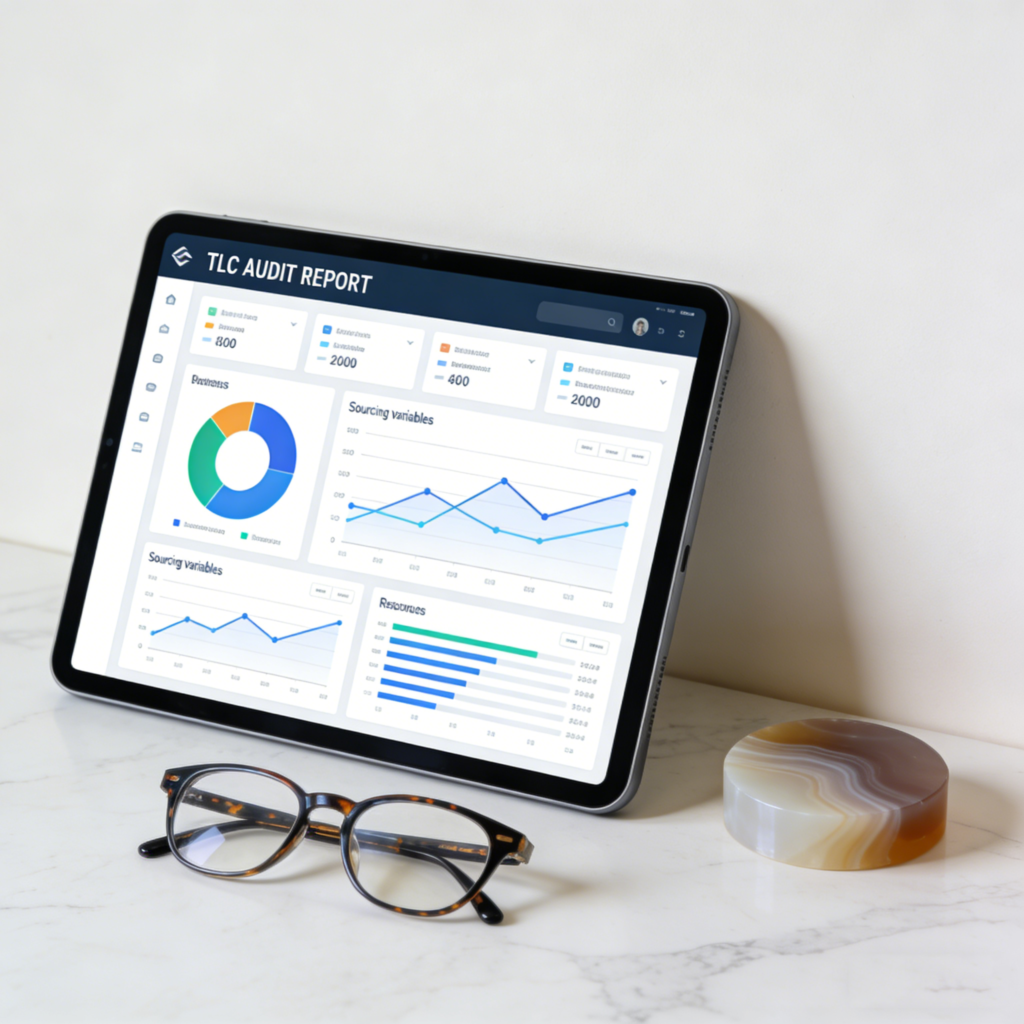
The goal of any experienced souvenir importer is to create a product that captures a memory for the tourist while capturing a profit for the company. You cannot achieve the latter by obsessing over unit prices.
The Total Landed Cost (TLC) is the only “honest” number in manufacturing. It exposes the inefficiencies of poor packaging, the risks of low-quality materials, and the true cost of logistical friction. At Craftmgf.com, we invite our clients to look past the trap of the $0.50 unit price. Let us help you engineering a green supply chain souvenir program that optimizes your margin from the first mold to the final retail display.
Passive exporting is a Major Trap; turn economic headwinds into strategic tailwinds by focusing on the only metric that matters: the cost at your door, not the price at the gate.

- Tourist Souvenir Design Guide: How to Create Best-Selling Souvenirs for Gift Shops, Tourist Attractions, and Destination Brands - June 24, 2026
- The Complete Custom Fridge Magnet Buying Guide for Souvenir Importers (2026) - June 17, 2026
- Tariff Navigation 2026: Sourcing from China vs. Vietnam for North American Brand Retailers - June 10, 2026