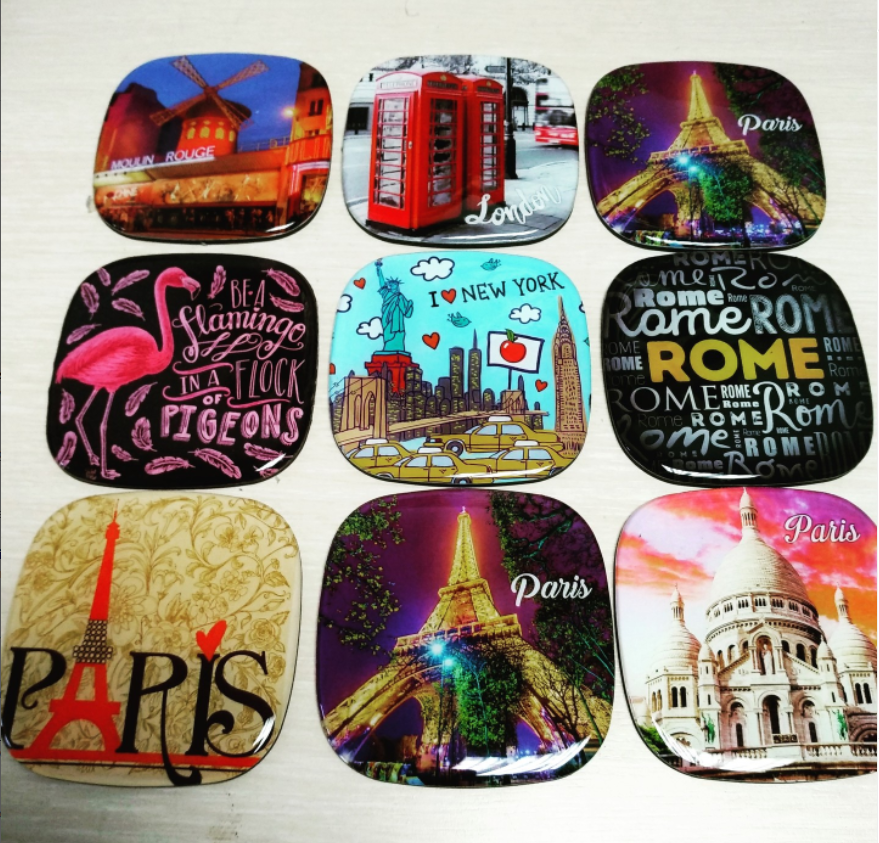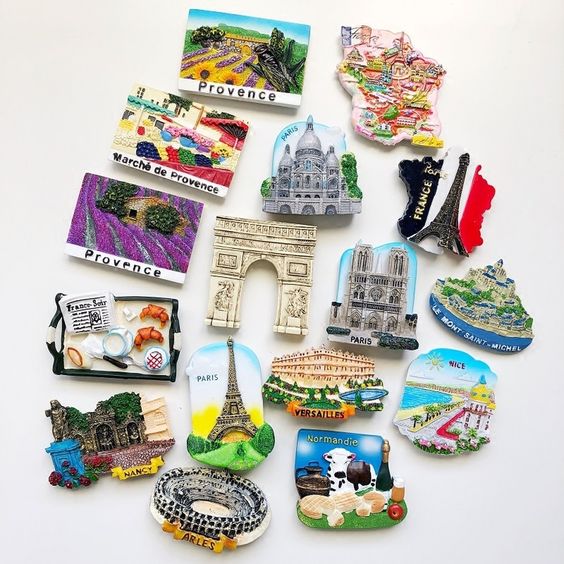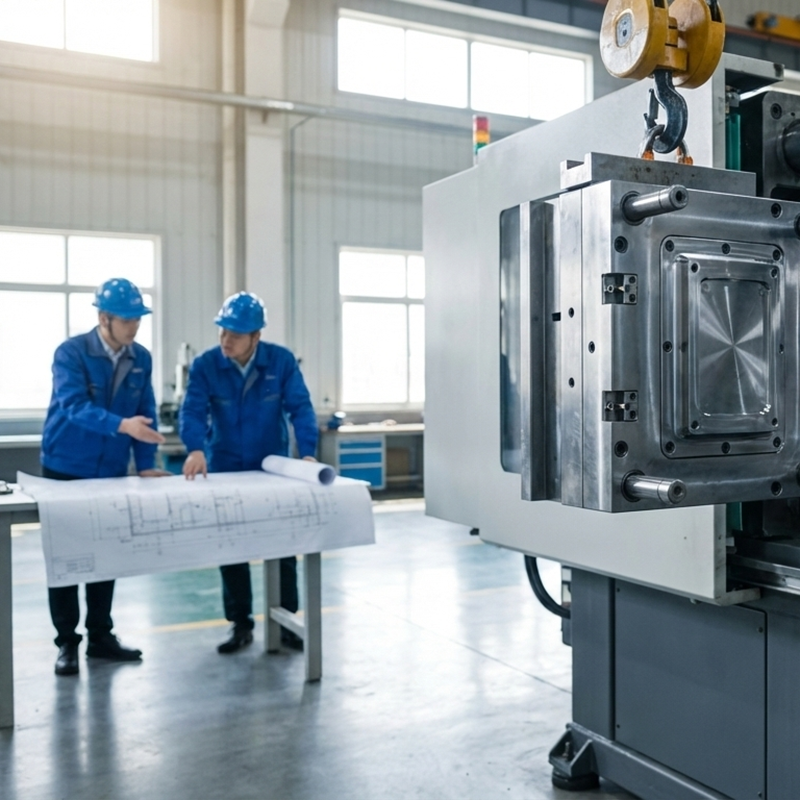
Sourcing high-quality tourist souvenirs from Mainland China is a cornerstone for successful importers and distributors worldwide. However, for those launching a new private label souvenir line, one acronym often stands as a formidable barrier: MOQ (Minimum Order Quantity).
In the world of wholesale souvenirs China, the MOQ is not just a random number chosen by the manufacturer; it is a calculated threshold designed to cover the setup costs of production. For the foreign purchaser, however, navigating this requires a delicate dance between achieving a competitive unit cost optimization and avoiding the “inventory graveyard”—thousands of unsold units that drain capital.
In this comprehensive guide, we will dissect the mechanics of MOQ in the souvenir industry and provide actionable strategies for supply chain agility and effective market validation.
Understanding the “Why” Behind MOQ in Mainland China
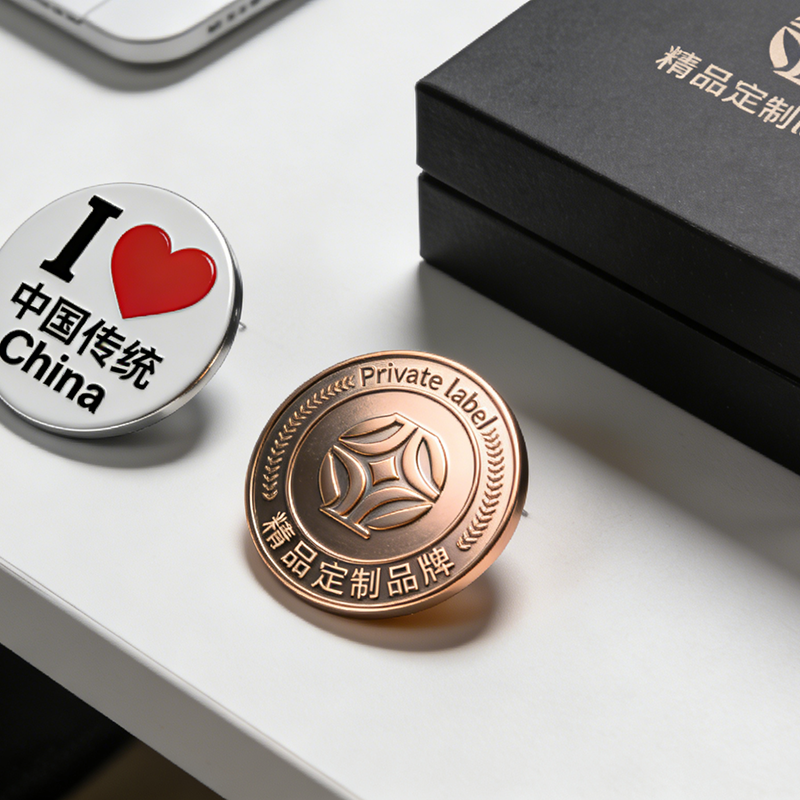
To negotiate effectively, a China souvenir manufacturer must be understood from the perspective of their operational costs. Souvenir production—whether it’s polyresin magnets, silk fans, or custom-molded porcelain—involves several fixed “setup” expenses:
- Machine Calibration and Tooling: For OEM/ODM souvenirs, creating a custom mold can cost thousands of dollars. The factory needs to spread this cost over a high volume of units.
- Raw Material Minimums: Factories often purchase raw materials from sub-suppliers who also impose their own MOQs.
- Labor Setup: Setting up a production line in a Mainland China facility requires a specific team. If the run is too short, the time spent “setting up” exceeds the time spent “producing,” leading to a loss for the factory.
The Private Label Challenge: Branding vs. Volume
When you shift from generic wholesale to private label souvenir sourcing, the MOQ typically increases. Why? Because customization (custom logos, unique colorways, and customized souvenir packaging) makes the product unsellable to any other client.
At XF Souvenir Crafts, we often see distributors struggle with the transition from buying generic “China” magnets to branded “Grand Canyon” or “Paris” exclusives. Customization requires specific printing plates or laser-engraving setups, which naturally pushes the factory to demand higher volumes to justify the labor.
Data Comparison: Low MOQ vs. High MOQ Scenarios

For a foreign purchaser, the decision-making process should be guided by a landed cost analysis. Below is a comparative look at a hypothetical order for a new line of premium 3D metal souvenirs.
| Feature | Scenario A: Aggressive Market Testing (Low MOQ) | Scenario B: Cost Efficiency Focus (High MOQ) |
| Order Volume | 500 Units | 5,000 Units |
| Unit Cost (Ex-Factory) | $2.50 | $1.20 |
| Tooling/Mold Fee | $800 (One-time) | $800 (Waived/Amortized) |
| Packaging Customization | Generic with Sticker | Full Custom Printed Box |
| Total Investment | $2,050 | $6,000 |
| Inventory Risk | Low (Easy to clear) | High (Risk of dead stock) |
| Profit Margin Per Unit | $5.00 | $6.30 |
| Primary Goal | Market Validation | Maximize ROI |
Analysis: While Scenario B offers a 50% lower unit cost, Scenario A limits the total capital at risk to just $2,050, allowing the distributor to test the “sell-through rate” before committing to a $6,000 investment.
Skyscraper Strategies for Balancing Cost and Testing
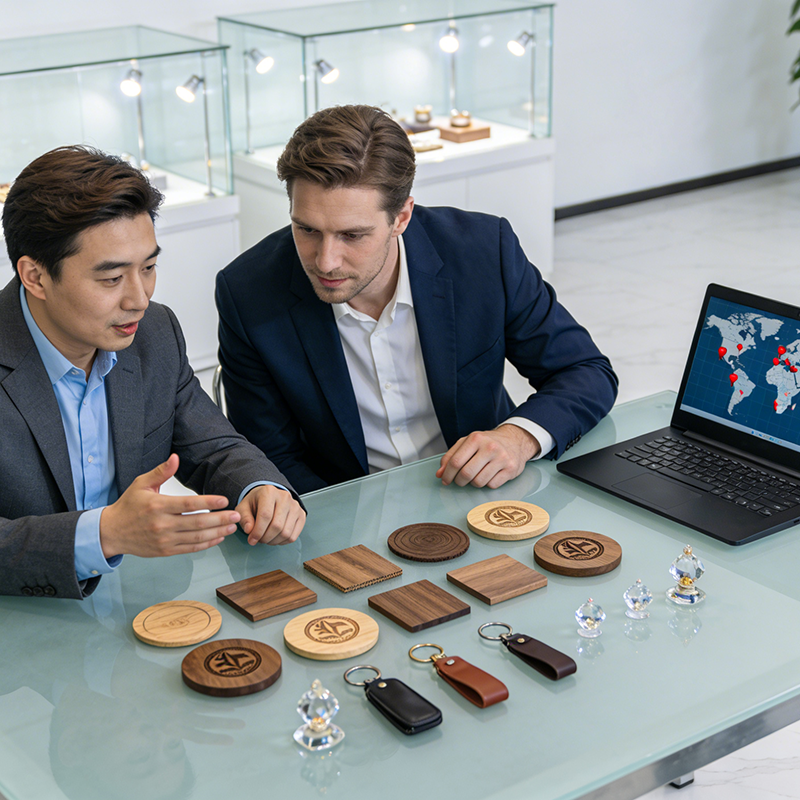
1. The “Small Batch Prototyping” Framework
Before committing to a full production run, utilize low-volume manufacturing for a pilot launch. Many China souvenir manufacturers are willing to produce a “sample run” if you agree to pay for the mold fee upfront.
Pro Tip: Negotiate that if you place a bulk order within 6 months, the initial mold fee will be deducted from the final invoice. This reduces the manufacturer’s risk while keeping your market validation for retail costs manageable.
2. Consolidating SKUs for Shared Components
One of the most effective MOQ strategies is to use the same base product across different designs. For example, if you are importing wholesale souvenirs China for five different cities, use the same ceramic mug shape but vary the printed decal.
By keeping the “hardware” consistent, the factory can purchase the raw porcelain in bulk (meeting their sub-supplier MOQ), while giving you the variety you need for your distributors.
3. Inventory Risk Management via “Blank Stock”
Some advanced distributors working with #XFsouvenircrafts use the “Blank Stock” strategy. The factory produces 5,000 units of a generic, high-quality base product (e.g., blank metal keychains) but only engraves or prints 500 units at a time. This keeps the unit price low while allowing the purchaser to pivot based on which designs are selling the fastest.
4. Leveraging Seasonal Windows
Factories in Mainland China often have “low seasons” (typically a few months after Chinese New Year). During these periods, factories are more desperate to keep their lines running and may be significantly more flexible with Minimum Order Quantity (MOQ) Strategies. Building a supply chain agility plan around the factory’s calendar can save you 15-20% on both costs and MOQ requirements.
Enhancing Your Competitive Edge with XF Souvenir Crafts
At XF Souvenir Crafts, we understand that for a distributor or wholesaler, cash flow is king. Our approach to China souvenir export is built on the philosophy of partnership. We don’t just want to sell you one container; we want to help you build a sustainable brand.
Our facility focuses on unit cost optimization even at mid-range volumes. By utilizing modular molding and digital printing technologies, we have managed to lower the entry barrier for private label souvenirs, making it possible for smaller distributors to compete with industry giants.
Negotiation Tactics for Wholesalers
When approaching a China souvenir manufacturer, your negotiation should not be about “demanding” a lower MOQ, but rather “selling” your growth potential.
- Showcase Your Distribution Network: If you have 500 retail touchpoints, tell the factory. They are more likely to lower the MOQ for a first order if they see a path to 100,000 units in the future.
- Offer to Pay a “Small Batch Surcharge”: If the factory’s MOQ is 2,000 and you want 500, offer to pay a 15% premium on the unit price. This often covers their setup loss while keeping your inventory risk management intact.
- Standardize Packaging: Customized packaging often has a much higher MOQ than the product itself (due to printing press requirements). Consider using high-quality generic packaging with a premium custom sleeve or sticker for the initial test phase.
Final Thoughts: The Long-Term View
Successful bulk souvenir export is not about getting the lowest price on day one. It is about building a resilient supply chain that can survive market shifts. By balancing cost efficiency with market testing, you ensure that every dollar invested in your private label souvenir sourcing is a dollar working toward your brand’s longevity.
The most successful importers we work with at XF Souvenir Crafts are those who treat MOQ not as a hurdle, but as a strategic tool to manage growth. Whether you are a veteran wholesaler or a new importer, applying these Minimum Order Quantity (MOQ) Strategies will clarify your path to market dominance in the tourist souvenir sector.
Ready to Scale Your Souvenir Business?

Are you looking to launch a private label line without the burden of excessive MOQs? XF Souvenir Crafts specializes in high-quality, culturally rich souvenirs with flexible manufacturing options for the global market. Would you like me to send you our 2026 Product Catalog or a quote for a custom project?

- Resin Fridge Magnets in Bulk: A 2026 Buyer’s Guide to MOQ, Tooling, Lead Time, and Landed Cost - August 19, 2026
- Tourist Souvenir Design Guide: How to Create Best-Selling Souvenirs for Gift Shops, Tourist Attractions, and Destination Brands - June 24, 2026
- The Complete Custom Fridge Magnet Buying Guide for Souvenir Importers (2026) - June 17, 2026