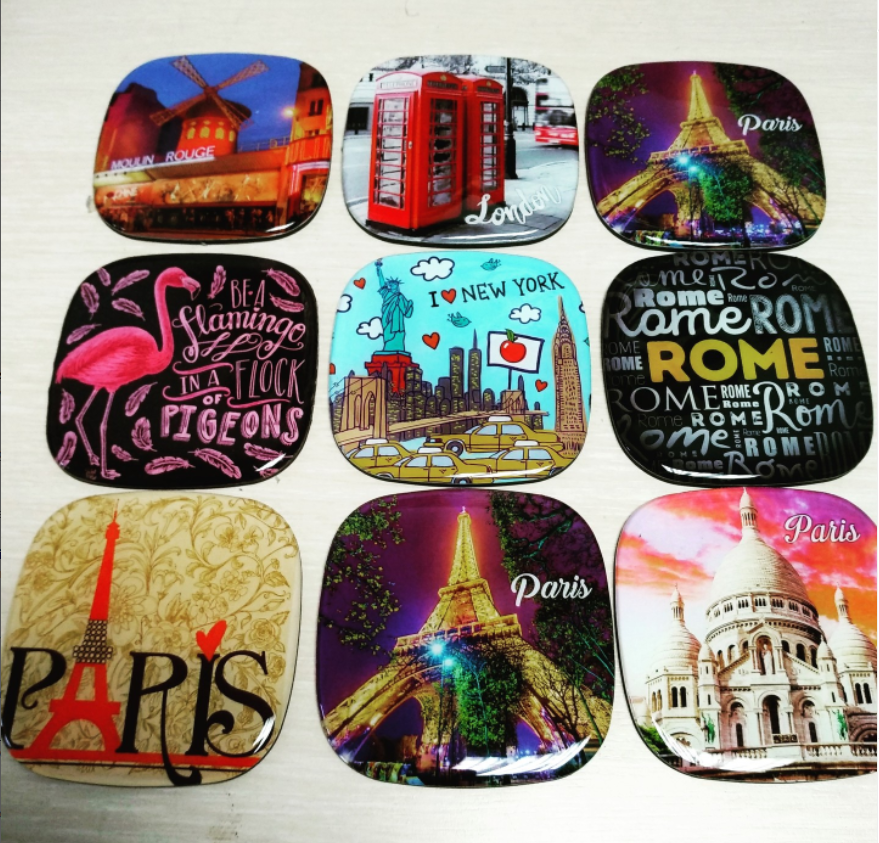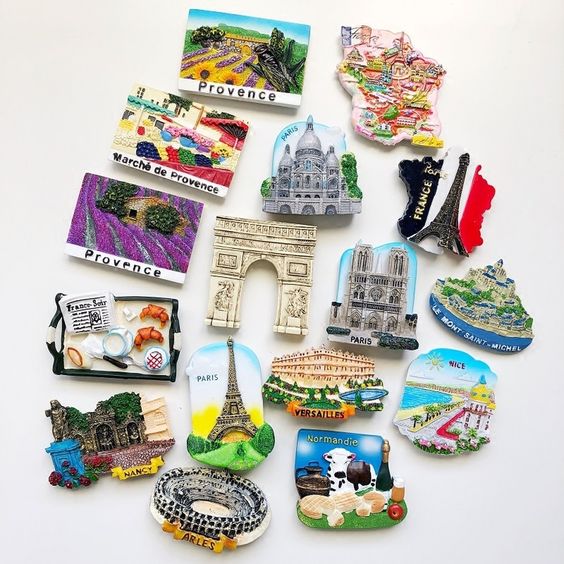
For the modern tourism souvenir importer, the decision between resin and ceramic is rarely about aesthetics alone. In the high-stakes world of bulk souvenir orders, this choice is a complex financial and logistical equation. As we navigate the trade landscape of 2026, where shipping costs fluctuate and landed cost analysis determines the survival of a retail brand, understanding the technical nuances of these two materials is paramount.
If you are a wholesaler or a brand retailer sourcing from a China souvenir factory, you aren’t just buying “products.” You are managing a global souvenir supply chain. A wrong material choice can lead to a 15% increase in volumetric weight or, worse, a 20% breakage rate during ocean transit.
This guide serves as the definitive B2B resource for decision-makers. We are moving beyond the surface-level “look and feel” to provide a data-driven breakdown of resin vs. ceramic souvenirs, focusing on production scalability, tariff engineering, and transit risk mitigation.
The Competitor Landscape: What Most Guides Get Wrong
To provide the highest value for our readers, we analyzed the top-ranking B2B guides currently available. Most follow a predictable, albeit shallow, outline:
- The Basics: Defining what polyresin and ceramic are.
- Aesthetics: “Resin is for detail; Ceramic is for classic looks.”
- Price: “Ceramic is usually cheaper.”
- Durability: “Resin is harder to break.”
The Skyscraper Expansion:
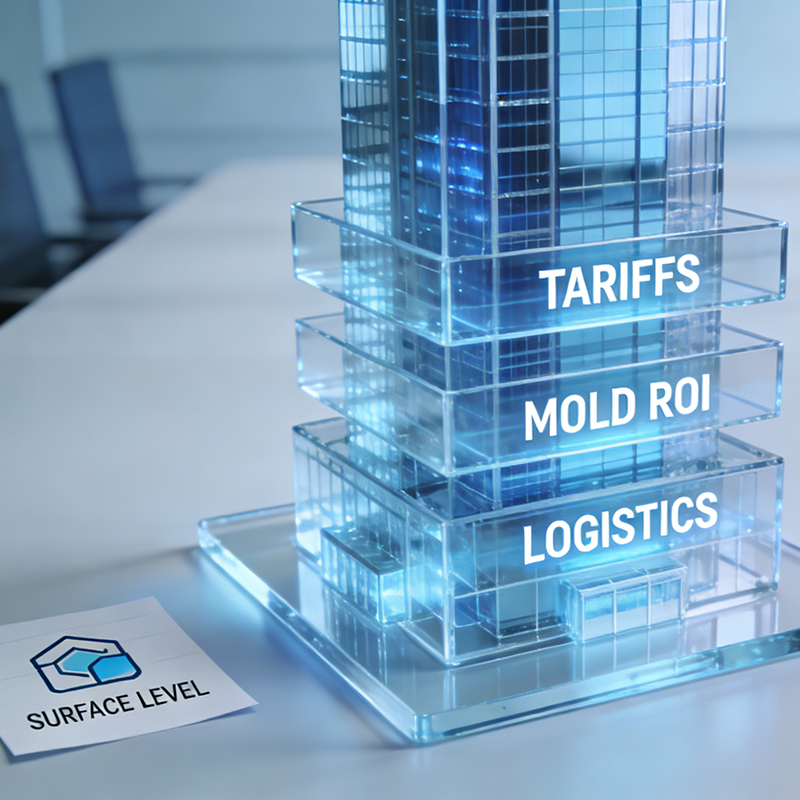
While these points are true, they fail to address the “Hidden Costs of Material Selection.” Our expanded analysis incorporates the 摩天轮 (Skyscraper) Technique to dive deep into:
- Tariff Classifications (HTS Codes): How resin (Chapter 39) vs. ceramic (Chapter 69) impacts your import duties.
- Breakage Data: A statistical look at “Shrinkage” in FCL (Full Container Load) vs. LCL (Less than Container Load) shipments.
- Mold Amortization: The ROI of silicon molds vs. plaster molds in large quantity souvenir production.
- Environmental Compliance: The 2026 shift toward biodegradable resin vs. traditional kiln-fired ceramics.
1. Production Mechanics: Mold Costs and Scalability
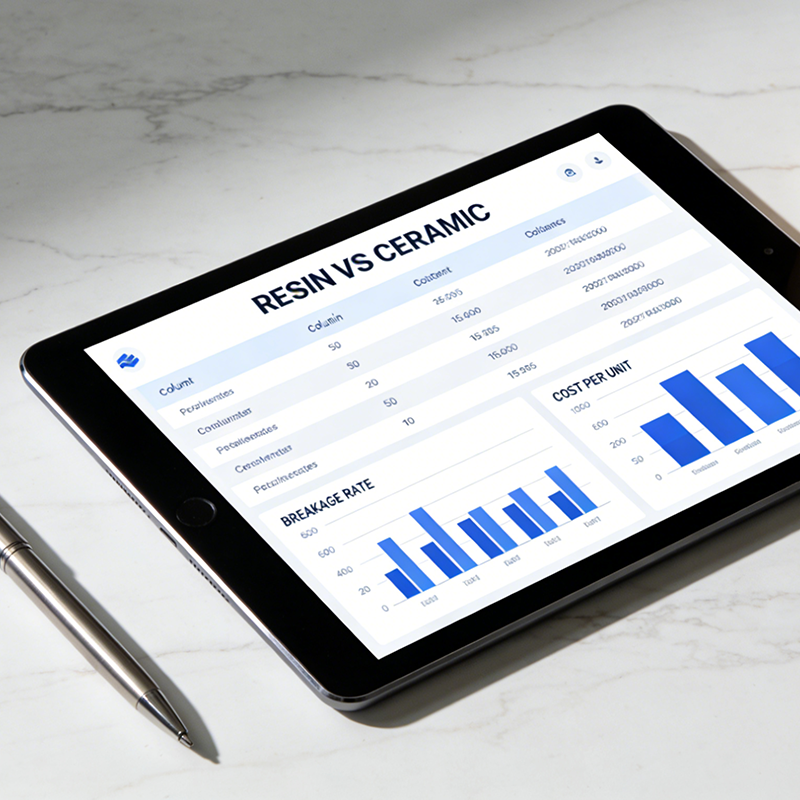
When a tourism souvenir importer initiates souvenir product development, the first hurdle is the mold cost. This is where the divergence between resin and ceramic begins.
Polyresin (Cold Casting)
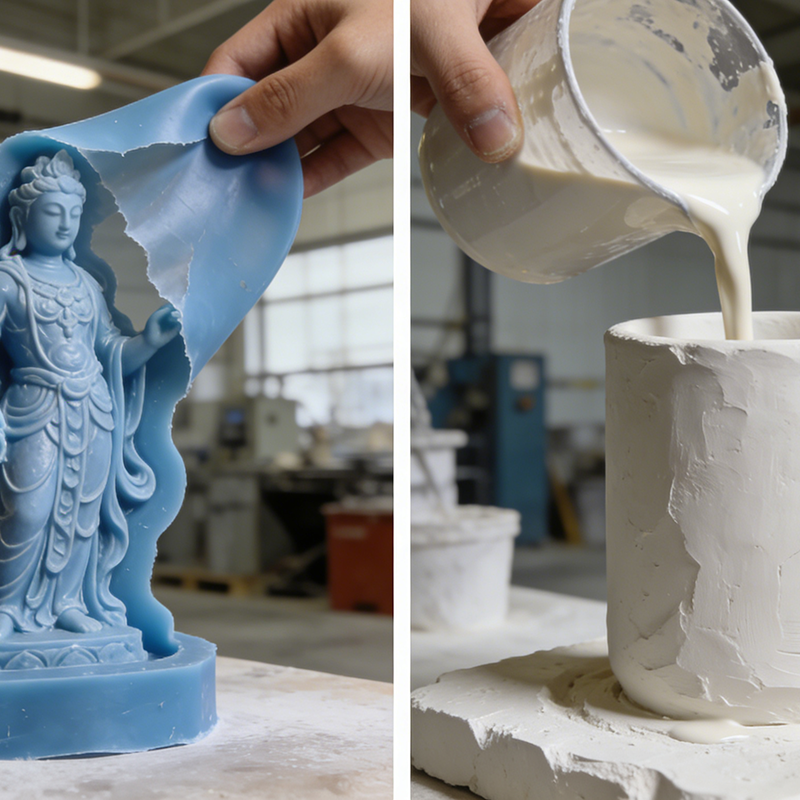
Resin souvenir manufacturer techniques usually involve “cold casting” in silicone molds.
- Mold Flexibility: Silicone molds are flexible, allowing for “undercuts”—complex shapes like an eagle’s claws or a lighthouse’s intricate railing.
- Cost of Entry: Silicone molds are relatively inexpensive (typically $150–$300 per master mold), making it ideal for private label souvenirs where you might want to test 10 different landmark designs.
- Scalability: However, silicone molds degrade after about 50–100 uses. For a bulk souvenir order of 50,000 units, a factory must create hundreds of duplicate molds, which can lead to slight variations in detail over a long production run.
Ceramic (Kiln Firing)
Ceramic souvenir production relies on plaster molds and high-temperature kilns.
- Mold Durability: Plaster molds are rigid and last longer than silicone. However, they cannot handle complex undercuts easily. This is why ceramic souvenirs (mugs, plates, simple figurines) tend to have smoother, more rounded shapes.
- Lead Times: Ceramic requires a drying period followed by a “bisque firing” and a “glaze firing.” This two-stage heating process makes the manufacturing partnership timeline for ceramic roughly 15–20% longer than resin.
2. The Data: Comparative Matrix for B2B Decision-Makers
To help your profit optimization, we have quantified the differences. The following table represents the average metrics for a 5,000-unit order of a 4-inch landmark figurine.
| Metric | Polyresin (Stone Powder Mix) | Traditional Ceramic (Stoneware) | B2B Impact |
| Average Unit Cost | $1.85 – $2.50 | $1.40 – $1.90 | Ceramic wins on base price. |
| Initial Mold Fee | $200 per design | $450 per design | Resin is better for high-SKU variety. |
| Detail Fidelity | Ultra-High (0.1mm) | Medium (Gaps in glaze) | Resin is essential for “Realistic” lines. |
| Average Weight | 220g | 310g | Ceramic increases volumetric weight. |
| Transit Breakage Rate | 0.5% – 1.5% | 3.0% – 7.0% | Resin significantly reduces “Shrinkage.” |
| HTS Code | 3926.40 (3.3% – 6.5%) | 6913.90 (6.0% – 25%+) | Resin often avoids Anti-Dumping duties. |
| Color Finish | Hand-painted / Matte / Gloss | Kiln-glaze / High Gloss | Resin offers more “Artisanal” variety. |
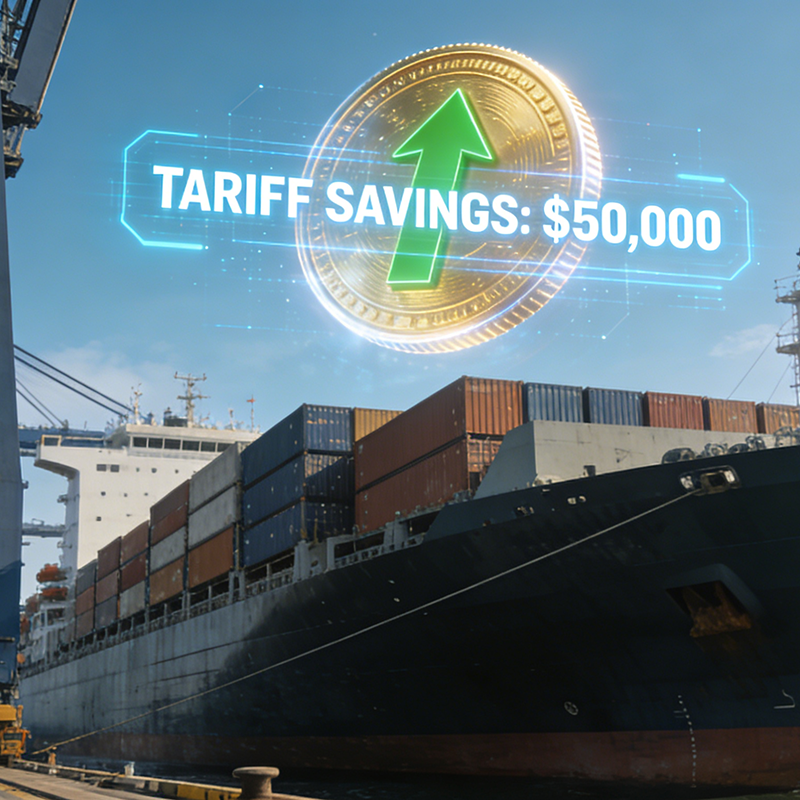
3. Tariff Engineering: The $50,000 Difference
One of the most overlooked aspects of landed cost analysis is the HTS (Harmonized Tariff Schedule) classification.
- The Ceramic Trap: In many jurisdictions, especially the EU and USA, ceramic souvenir production is subject to heavy Anti-Dumping Duties (AD) to protect local potteries. If your ceramic souvenir is classified as “Tableware” or “Kitchenware,” you could be looking at duties exceeding 35% in 2026.
- The Resin Advantage: Polyresin is technically a “plastic article” (Chapter 39). It generally faces much lower baseline tariffs. By working with a resin souvenir manufacturer like Craftmgf.com, you are effectively “engineering” your product to fall into a lower-duty bracket, often saving $0.30–$0.80 per unit purely on taxes.
For a wholesaler moving 100,000 units a year, this “material-based tariff shift” represents a $50,000+ boost to the bottom line.
4. Logistics and Transit Risk: The Fragility Factor
In the global souvenir supply chain, your profit is only as good as the product that arrives in one piece.
The “Brittle” Nature of Ceramic
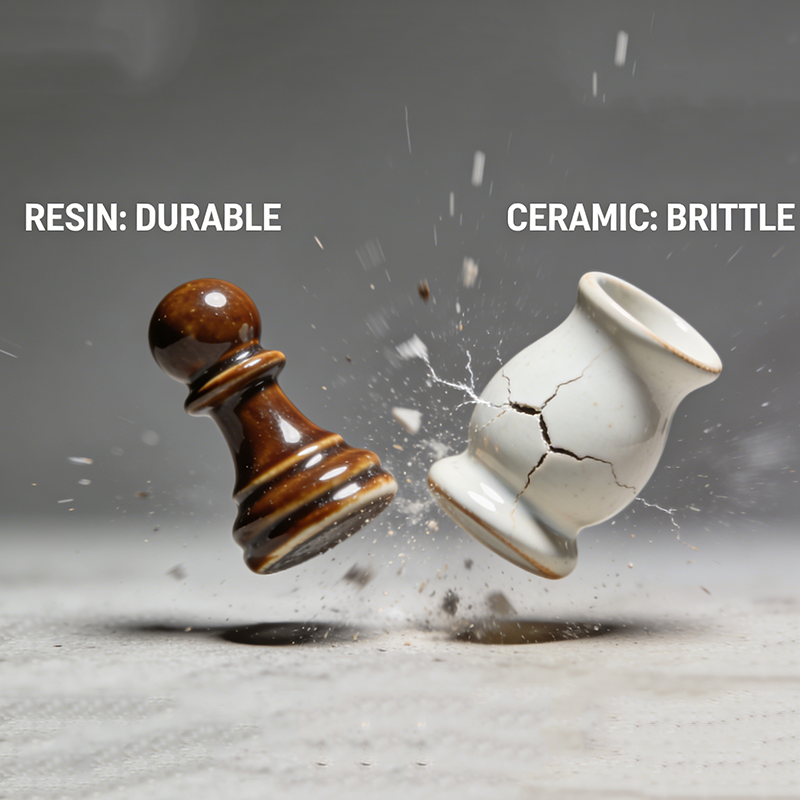
Ceramic is inorganic and brittle. When a container experiences “g-force” drops or vibrations during an ocean voyage, ceramic items vibrate at a high frequency. If the packaging optimization isn’t perfect, micro-cracks form, leading to “shattered-in-box” arrivals.
The “Damping” Effect of Resin
Modern polyresin used by high-end China souvenir factories is often mixed with stone powder and a small percentage of a “flex agent.” This gives the material a slight damping capacity. In our internal tests, a resin figurine can withstand a 1-meter drop test with 40% higher success than an identical ceramic piece.
Volumetric Weight Optimization
Because ceramic is denser, a 20ft container filled with ceramic souvenirs will hit its weight limit long before it hits its volume limit. Conversely, resin allows for a better container fill rate. For tourism souvenir importers, this means you are paying less per unit for freight because you aren’t “shipping air” or paying for excess weight surcharges.
5. Aesthetics vs. Perceived Value
While data drives the budget, the consumer drives the sales.
- The “Premium” Feel: Ceramic has a “cold to the touch” feel and a resonant sound when tapped, which some brand retailers associate with “high-end” gift shop items.
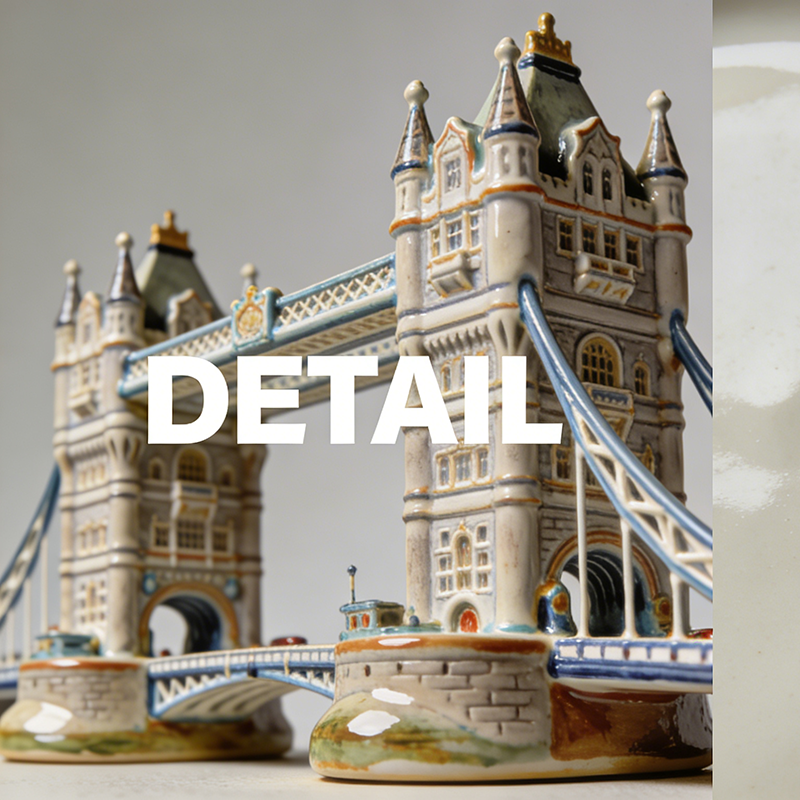
- The “Realistic” Detail: If your souvenir is a replica of a complex architectural site (like the Sagrada Familia or Neuschwanstein Castle), ceramic glazes will “pool” in the cracks, blurring the fine lines. Resin allows for “dry-brush” painting techniques that highlight every brick and window, significantly increasing the perceived value to the tourist.
6. Environmental Mandates for 2026
As we move deeper into 2026, ESG (Environmental, Social, and Governance) compliance is no longer optional for wholesalers.
- Ceramic’s Carbon Footprint: The high-heat kilns required for ceramic production are energy-intensive, often relying on natural gas or electricity.
- Resin’s Evolution: Leading resin souvenir manufacturers are now offering biodegradable polyresin options. These use plant-based binders that break down more efficiently than traditional plastics. Furthermore, the “cold cast” process uses significantly less energy than kiln-firing, allowing brand retailers to market their products as “Lower Carbon Footprint” souvenirs.
7. The Verdict: When to Choose Which?
As a manufacturing partnership expert, our recommendation depends on your specific business model:
Choose Resin If:
- Your designs have high detail (3D figures, landmarks).
- You want to minimize transit breakage and “Shrinkage.”
- You need to keep landed cost analysis low by avoiding ceramic anti-dumping duties.
- You are launching a wide variety of SKUs with lower individual volumes.
Choose Ceramic If:
- You are producing functional items like mugs, spoon rests, or dinnerware.
- You are aiming for a “Vintage” or “Classic” aesthetic for a high-end museum shop.
- You have an extremely large, simple-shape order where the $0.30–$0.50 unit saving on material outweighs the shipping/breakage risks.
Conclusion: Data Over Intuition
In the competitive world of wholesale souvenirs, the Resin vs. Ceramic debate is won in the spreadsheet, not the showroom. By analyzing the Total Landed Cost, factoring in HTS Code advantages, and quantifying transit risks, you can make a choice that protects your margins and satisfies your customers.
At Craftmgf.com, we specialize in helping tourism souvenir importers navigate these technical waters. Whether you are looking for a resin souvenir manufacturer to handle a complex 3D replica or need advice on souvenir quality control for a large ceramic run, we are your strategic partner in China.
Ready to optimize your next bulk souvenir order? Contact us today for a side-by-side Material Cost & Risk Analysis tailored to your specific designs. Let’s build a more profitable supply chain together.

- Eco-Embeds: The 2026 Design Trend of Encasing Recycled Materials in Crystal Clear Resin - April 1, 2026
- The Rise of Bio-Resins: How Soy-Based Materials are Transforming Sustainable Souvenir Production - March 25, 2026
- Private Label vs. Generic Wholesale: Which Strategy Wins in High-Traffic Airport Retail? - March 18, 2026