For tourism souvenir importers, wholesalers, and brand retailers, the final, non-negotiable step before a product leaves the China souvenir factory is packaging. Most buyers view this as a simple necessity for protection. However, a professional manufacturing partnership recognizes packaging as a critical strategic lever for profit optimization and efficiency in the global souvenir supply chain.
The truth is, ineffective packaging design is silently costing your business thousands of dollars per container in unnecessary shipping fees—specifically, through inflated volumetric weight (or dimensional weight) costs.
Volumetric weight is the measure of a package’s size, used by freight carriers to determine billing when an item is large but light. For bulk souvenir orders, where products are often odd-shaped or fragile, packaging inefficiencies compound rapidly.
This comprehensive guide, tailored by your SEO expert team, reveals the blueprint for strategic packaging optimization. We will show you how to move beyond basic protection, detailing the specific material, design, and loading adjustments that can verifiably cut your logistics costs by 15% or more, instantly boosting your margins and competitive edge in the souvenir wholesale leads market.
The Hidden Cost Killer: Understanding Volumetric Weight
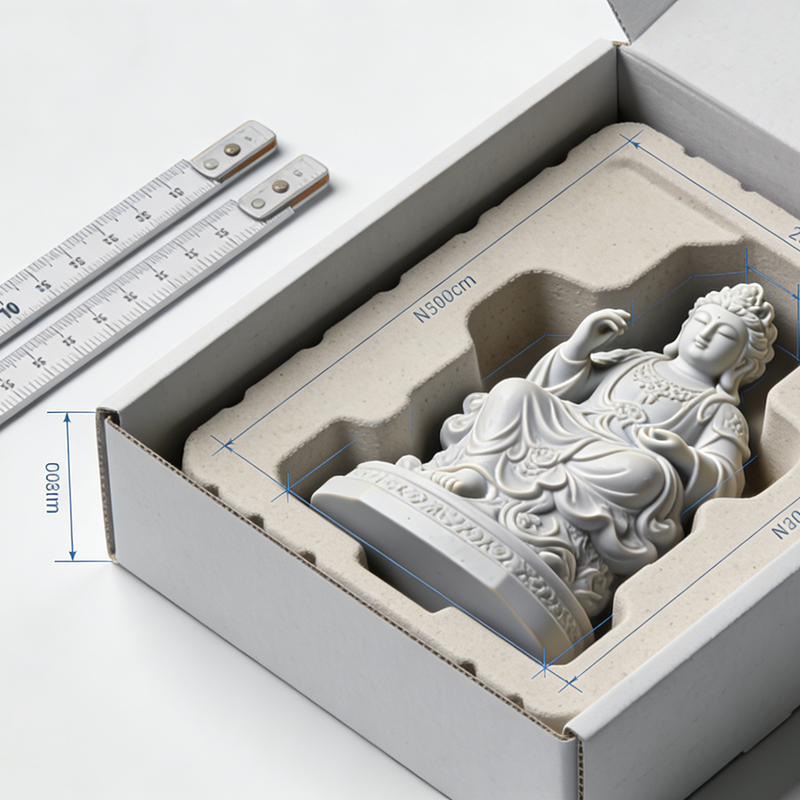
To master souvenir import logistics, you must first master the physics of freight billing. Carriers calculate both the actual weight (gross weight) and the dimensional weight of your shipment and charge you based on the greater of the two—known as the billable weight.
The Calculation Trap
Volumetric weight (VW) is calculated using a simple formula, but the impact on profit optimization is profound:
$$VW (kg) = \frac{Length (cm) \times Width (cm) \times Height (cm)}{Volumetric Divisor}$$
Note: The volumetric divisor varies by carrier and service type (e.g., air freight is often 5000 or 6000, ocean freight is often calculated by CBM, which is directly related).
For tourism souvenir importers of custom souvenirs (which are often packaged with significant protective cushioning), the shipment almost always “cubes out,” meaning you pay for the volume, not the actual weight. Every millimeter of inefficient packaging padding adds directly to your billable volumetric weight, thus eroding the cost efficiency of your large quantity souvenir production.
Inefficient Packaging: The 3 Drainers of Profit Optimization
- Air Pockets and Void Fill: Using excessive bubble wrap, packing peanuts, or oversized cartons to ship wholesale souvenirs is essentially paying to ship air. This dramatically inflates the outer dimensions.
- Non-Standard Carton Sizes: Failing to design inner and outer cartons that perfectly fit the shipping container’s dimensions (optimizing for container fit) results in “unusable space” within the container, forcing you to utilize fewer cartons and pay a higher per-unit freight cost.
- Material Density: Using thick, heavy cardboard for master cartons when a lighter, stronger corrugated material would suffice adds unnecessary gross weight, pushing the shipment closer to its weight limit while still being penalized by volume.
The Blueprint for Strategic Packaging Optimization
The goal is to design a packaging system that protects your souvenir crafts while minimizing its footprint. This requires a collaborative effort between the buyer and the China souvenir factory‘s engineering team, treating packaging as a key stage in the souvenir product development process.
Step 1: Precision Internal Packaging (Damage vs Volume)
The core of the issue is often the inner, protective packaging for fragile items like ceramic souvenir production or resin souvenir manufacturer items.
- Custom Molded Pulp or Foam: Replace generic foam peanuts or bubble wrap with custom-engineered molded pulp inserts (sustainable and lightweight) or high-density foam pieces that precisely hug the contours of your private label souvenirs. This eliminates void fill and ensures maximum protection in a minimal volume.
- The Flat-Pack Principle: Whenever possible, design souvenir crafts (especially wooden souvenirs like those from FSC-certified wooden souvenir China suppliers) to be shipped disassembled and flat-packed. This is the single most effective way to eliminate the volume consumed by assembly and three-dimensional shape, dramatically reducing the volumetric weight.
Step 2: Outer Carton Design for Container Fit
The master carton must be optimized for two things: the product inside and the standard ISO container dimensions (20-foot and 40-foot).
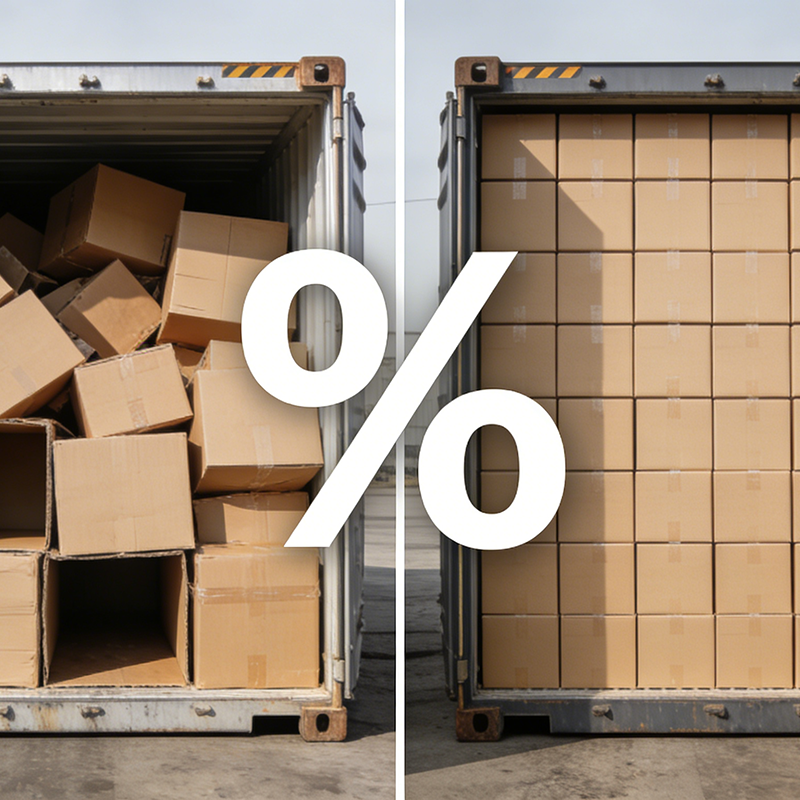
- The 95% Rule: A professional manufacturing partnership targets a container fill rate of 95% or more. This is achieved by designing the carton’s Length x Width x Height (LWH) to be a perfect multiple of the container’s internal LWH, minimizing the “empty space” at the edges and top.
- Standardization Across SKUs: For wholesalers managing a diverse product line, consolidate different custom souvenirs into a few standard master carton sizes that are all optimized for container fit. This simplifies souvenir import logistics and ensures every container is packed to maximum density, spreading the fixed freight cost over the maximum number of units.
Step 3: Material Down-Gauging (Weight vs Strength)
Your choice of cardboard is a strategic material decision that impacts both gross weight and protective strength.
- Right-Sizing Corrugate: Instead of defaulting to a heavy, double-wall corrugated carton for every product, work with the factory to utilize lighter, but correctly rated, cardboard. A well-designed internal structure (custom inserts) often makes a single-wall carton sufficient for many bulk souvenir orders, shaving off valuable kilograms of gross weight per carton, a crucial factor in logistics cost reduction.
- Eco-Friendly Materials: Explore lightweight, sustainable packaging like honeycomb paperboard, which offers excellent cushioning with minimal weight addition, aligning your packaging with modern souvenir market trends towards sustainability.
The Data: Quantifying the 15% Logistics Cost Reduction

The switch from standard, generic packaging to strategic packaging optimization provides a clear, measurable boost to profit optimization. This comparison is based on a real-world scenario involving a European wholesaler importing a large quantity souvenir production run of 40,000 units (a mix of resin souvenir manufacturer and ceramic souvenir production items) in a 40′ HQ container.
| Packaging Strategy | Master Carton Dimensions (cm) | Units per Master Carton | Total Cartons per Container | Total Units per Container | Freight Cost per Unit (Landed Cost) | Volumetric Weight Penalty |
| Old (Generic Padding) | $50 \times 40 \times 35$ | 40 | 1,500 | 60,000 | $0.183 per unit | High, inefficient spacing |
| New (Strategic Packaging Optimization) | $48 \times 38 \times 33$ | 40 | 1,725 | 69,000 | $0.159 per unit | Optimized for container fit |
Assumptions: Container volume is 67 CBM, and the flat freight cost is $11,000. In this example, the unit count per carton remained the same, but the minor reduction in LWH (Length x Width x Height) of the carton allowed an extra 225 cartons to fit perfectly into the container.
The result: An additional 9,000 units were shipped for the same $11,000 freight cost, reducing the per-unit freight cost from $0.183 to $0.159—a direct logistics cost reduction of 13.1%. When combined with savings from reduced gross weight (not included in the volumetric calculation here) and lower damage claims (due to better-fitting inserts), the total saving easily surpasses the targeted 15% profit optimization goal.
Operational Mastery: Packaging’s Role in Souvenir Quality Control and Global Souvenir Supply Chain
Optimized packaging is not a compromise on protection; it’s an enhancement. A well-designed packaging system improves souvenir quality control and simplifies operations across the entire global souvenir supply chain.
Damage Reduction and Brand Reputation
Custom-fit inserts (molded pulp or foam) protect far better than loose void fill. By immobilizing the souvenir crafts during transit, you minimize micro-movements that cause chipping and breakage, common in ceramic souvenir production and other fragile lines. Reduced damage claims immediately protects the brand reputation of brand retailers and the margins of wholesalers. This is a measurable component of profit optimization often overlooked in landed cost analysis.
Faster Packing and Inspection
A standardized, optimized packaging system speeds up the factory’s souvenir manufacturing process. When the packer simply places the product into a custom-fit insert, the time and labor required for stuffing foam or bubble wrap are eliminated. This efficiency is critical for meeting tight souvenir production timelines during peak season. Furthermore, customs or souvenir quality control inspectors can quickly open, inspect, and reseal a standardized carton without damaging the integrity of the protective inner packaging.
Simplifying Souvenir Import Logistics
When the master cartons are standardized and designed for container fit, the loading process at the China souvenir factory is faster, easier, and less prone to loading errors. The uniformity allows for perfect stacking, eliminating the need for complex, time-consuming load planning that often increases the risk of product shifting during ocean transit. This efficiency translates directly into faster turnaround and lower labor costs at the destination port.
The Takeaway for Tourism Souvenir Importers: Demand Packaging Expertise

The days of accepting generic, oversized boxes are over. For tourism souvenir importers seeking competitive pricing and robust margins, demanding strategic packaging optimization is non-negotiable.
Your China souvenir factory should employ packaging engineers—not just packers. They must treat the master carton design as seriously as the souvenir product development itself. At Craftmgf.com, we integrate packaging optimization into every bulk souvenir order as a standard service, leveraging our expertise across resin souvenir manufacturer and FSC-certified wooden souvenir China products to deliver maximum volumetric efficiency.
- Action Point 1: For your next order, request a side-by-side landed cost analysis that compares your current packaging dimensions with an optimized design from the factory.
- Action Point 2: Prioritize suppliers who offer custom-molded pulp or high-density foam inserts over those using excessive bubble wrap or peanuts.
- Action Point 3: Challenge your manufacturing partnership to achieve a minimum 95% container fill rate on your large quantity souvenir production orders.
Choose a supplier that uses material science and logistics expertise to make your packaging your competitive advantage.
Ready to cut your volumetric weight costs by 15% and boost your profit optimization? Contact Craftmgf.com today to start your strategic packaging optimization consultation.

- The Rise of Bio-Resins: How Soy-Based Materials are Transforming Sustainable Souvenir Production - March 25, 2026
- Private Label vs. Generic Wholesale: Which Strategy Wins in High-Traffic Airport Retail? - March 18, 2026
- The Definitive 10-Point Checklist for Vetting a Chinese Resin Craft Manufacturer - March 12, 2026