For most tourism souvenir importers, the journey begins with an attractive FOB (Free on Board) quote from a China souvenir factory in Quanzhou. At first glance, a $1.50 resin magnet or a $4.50 custom snow globe looks like a high-margin winner. However, if you are only looking at the factory price, you are flying blind.
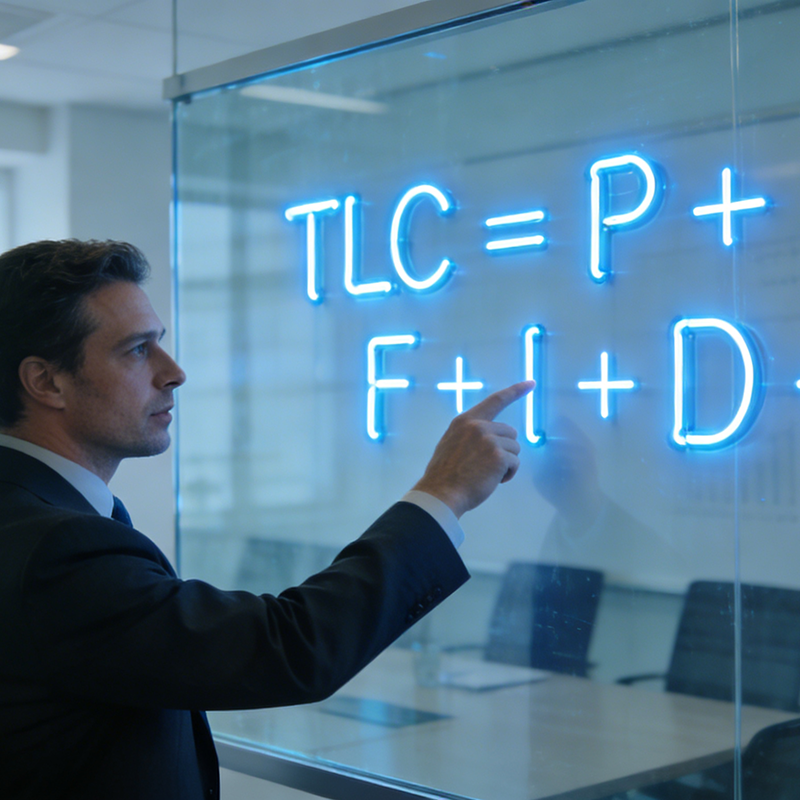
In the 2026 global trade environment, the “unit price” is a myth. The only number that determines your profit optimization is the Total Landed Cost (TLC). This represents the total price of a product once it has arrived at your warehouse door, cleared customs, and is ready for retail. Failing to account for the “Quanzhou-to-Door” variables—such as Xiamen port surcharges, Section 301 duties, and volumetric weight adjustments—can turn a projected 60% margin into a net loss.
This guide is designed for wholesalers and brand retailers who want to master the math of sourcing from Quanzhou, the world’s resin capital. We will break down the components of TLC, analyze hidden costs, and provide a technical framework to ensure your landed cost analysis is airtight.
The Competitor Landscape: What’s Missing in Current Guides?
To provide you with the most comprehensive resource, we analyzed the top-ranking “importing from China” guides. Most competitors focus on a simplified “FOB + Shipping” model. Here is a condensed version of their standard outline:
- Common Competitor Outline:
- Definition of Landed Cost.
- Basic components: Product price, freight, and duties.
- A simple formula: $Product + Shipping = Total$.
- Short advice on choosing a freight forwarder.
The “Skyscraper” Expansion:
While these guides are useful for beginners, they ignore the specific nuances of the Quanzhou resin manufacturing ecosystem. They overlook volumetric weight pitfalls for bulky resin crafts, the impact of anti-dumping duties on specific materials, and the critical “hidden” overhead of souvenir quality control and currency exchange. Our guide expands into these high-value territories.
Why Quanzhou? Understanding the Resin Source
Quanzhou, specifically districts like Fengze and cities like Jinjiang, is the global epicenter for resin souvenir manufacturer activity. Unlike generalist sourcing hubs, Quanzhou offers a highly specialized supply chain:
- Material Lineage: Proximity to raw chemical suppliers and stone powder mines.
- Artisan Clusters: A deep pool of sculptors and hand-painters who specialize in high-detail custom souvenirs.
- Logistics Advantage: Close proximity to Xiamen Port (one of the world’s top 10 container ports), which reduces inland trucking costs.
However, because resin products are often fragile and heavy, the gap between the EXW price and the TLC can be wider than in other industries.
Decoding the Total Landed Cost (TLC) Formula
To calculate the true cost of your bulk souvenir orders, we use a comprehensive technical formula. For a formal landed cost analysis, the equation is as follows:
$$TLC = \sum (P_{unit} \times Q) + F_{inland} + F_{int} + I + D + O$$
Where:
- $P_{unit}$: Unit price from the factory.
- $Q$: Total quantity.
- $F_{inland}$: Inland transportation (Quanzhou to Xiamen).
- $F_{int}$: International freight (Ocean or Air).
- $I$: Cargo insurance.
- $D$: Duties and Taxes (calculated based on Customs Value).
- $O$: Other overheads (QC, bank fees, brokerage).

1. The Manufacturing Base Price (EXW vs. FOB)
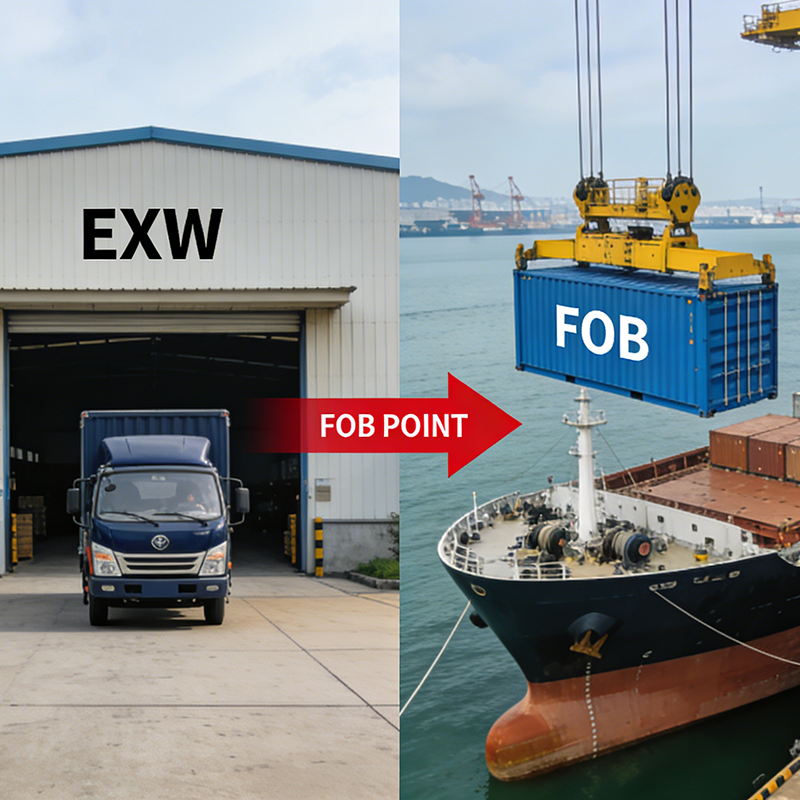
The first step is understanding your manufacturing partnership terms. In Quanzhou, most factories quote in FOB Xiamen. This means the factory covers the cost of getting the goods to the Xiamen port and clearing Chinese customs.
If you are quoted EXW (Ex Works), you must add the cost of trucking from the factory to Xiamen and the export document fees (usually $300–$500 per shipment). For wholesalers managing multiple custom resin manufacturer Quanzhou suppliers, consolidating EXW shipments into one FOB container is often a key profit optimization strategy.
2. International Freight: The Volumetric Weight Trap
Resin souvenirs are notorious for “shipping air.” Because figurines and snow globes require extensive protective packaging (styrofoam and inner boxes), the volumetric weight often exceeds the actual physical weight.
Freight forwarders charge based on whichever is higher.
- Actual Weight: The physical weight on a scale.
- Volumetric Weight: $(Length \times Width \times Height) / Factor$.
If your packaging optimization is poor, you might pay for a 500kg shipment when your products only weigh 200kg. This is why working with a factory that understands packaging engineering is vital for reducing your TLC.
3. Customs Duties and the HTS Code Maze
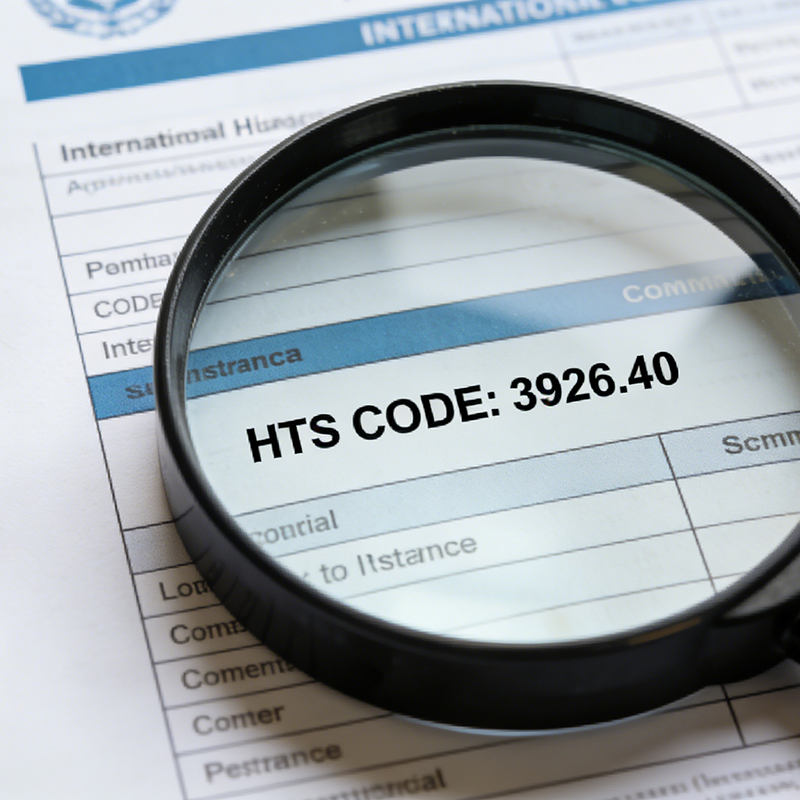
The “Duty” component ($D$ in our formula) is often the most misunderstood. Resin souvenirs typically fall under HS Code 3926.40 (Plastic/Resin statuettes).
- US Market: If you are importing to the United States, you must factor in the base duty plus any Section 301 “China Tariffs.”
- EU Market: Watch out for anti-dumping duties. While resin is generally safe, if your product is classified as ceramic (Chapter 69), duties can skyrocket to over 70%.
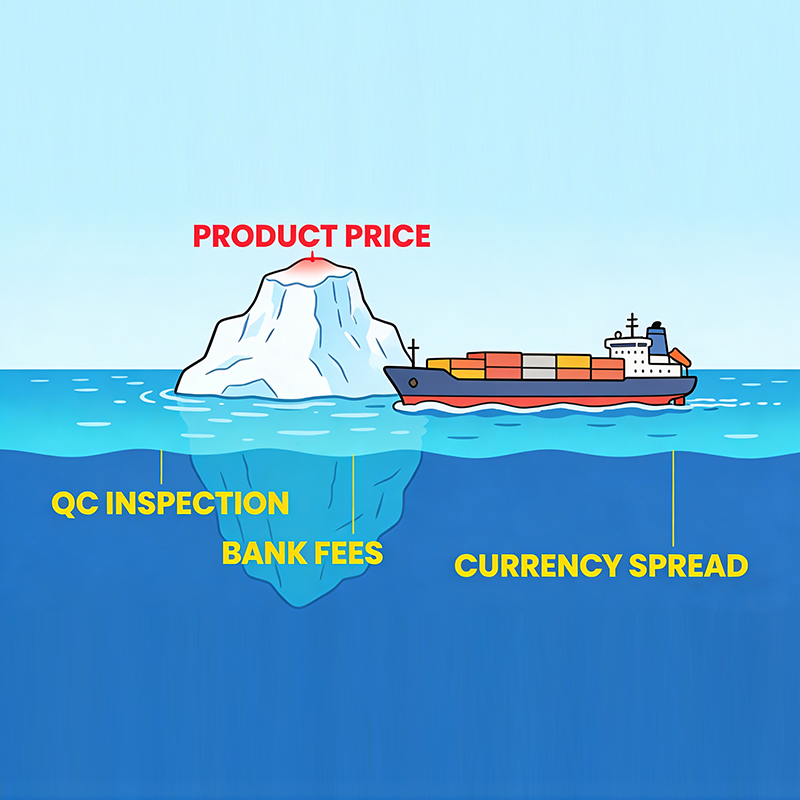
4. The “Hidden” Overheads (The Missing 5%)
The most dangerous part of the TLC is the $O$ (Overhead). These are the small fees that leak your margin:
- QC Inspection Fees: A professional souvenir quality control visit in Quanzhou costs roughly $200–$300 per day. This is an essential investment to avoid the cost of defective returns.
- Bank & Currency Fees: Most China souvenir factories want USD. Your bank might charge a 1–3% spread on the exchange rate plus wire fees.
- Customs Brokerage: A flat fee (usually $100–$200) for the professional who files your entry.
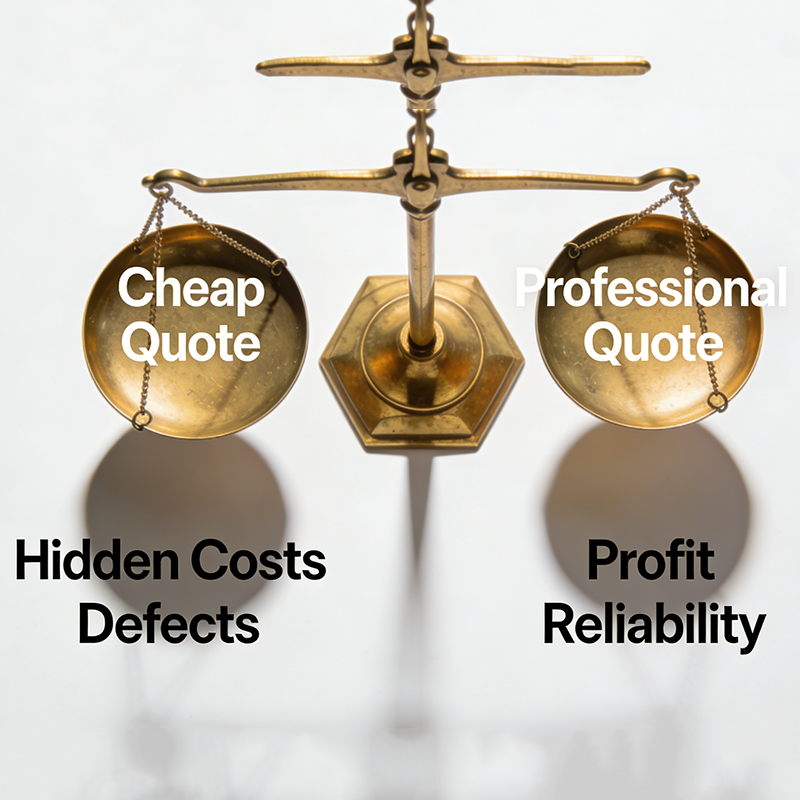
Data Comparison: Cheap Quote vs. Professional TLC
To illustrate the importance of TLC, let’s compare two scenarios for a 5,000-unit order of custom resin figurines.
| Cost Component | Factory A (Low-End Workshop) | Factory B (Professional Partner) | Impact on Profit |
| Unit Price (FOB) | $1.20 | $1.35 | Factory B is 12.5% more expensive initially. |
| Packaging Volume | 12 CBM (Poorly packed) | 9 CBM (Optimized) | Factory B reduces shipping volume by 25%. |
| Ocean Freight (to US) | $3,600 | $2,700 | Optimized packaging saves $900. |
| Duty (Section 301 @ 25%) | $1,500 | $1,687 | Based on higher unit value for Factory B. |
| Defect Rate (at arrival) | 8% ($480 loss) | 0.5% ($33 loss) | Factory B saves $447 in unsellable stock. |
| Total Landed Cost (Total) | $11,580 | $11,170 | Factory B is cheaper overall. |
| Landed Cost Per Unit | $2.31 | $2.23 | Actual savings of $0.08 per unit. |
In this data-driven example, the “expensive” factory actually delivered a lower Total Landed Cost due to better packaging engineering and lower defect rates.
Strategic Optimization: How to Lower Your TLC
If your landed cost analysis reveals that your margins are too thin, there are three primary levers you can pull:
Lever 1: Packaging Density
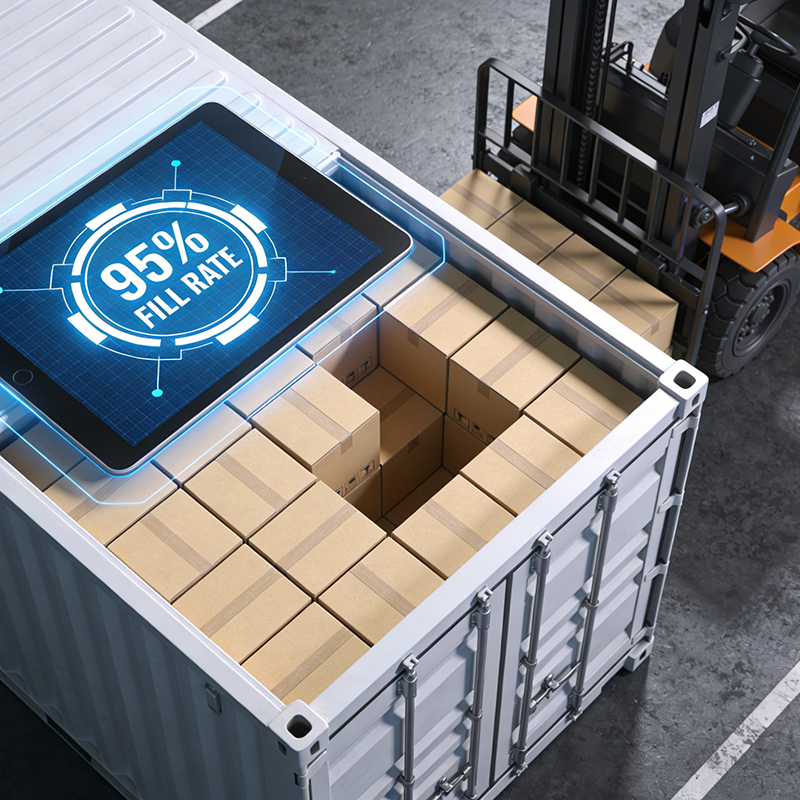
Ask your Quanzhou resin factory to perform a “Master Carton Optimization.” By reducing the size of the inner box by just 1cm on each side, you can often fit 20% more product into the same container, drastically lowering the freight portion of your TLC.
Lever 2: Incoterm Negotiation
For most tourism souvenir importers, FOB is the sweet spot. It allows you to control the international freight rates while the factory handles the domestic Chinese logistics. Avoid CIF (Cost, Insurance, and Freight) if possible, as suppliers often hide a “markup” in the freight price.
Lever 3: Consolidation (LCL vs. FCL)
If you are ordering wholesale souvenirs from multiple Quanzhou vendors, use a consolidation warehouse in Xiamen. Combining three “Less-than-Container-Load” (LCL) shipments into one “Full-Container-Load” (FCL) can reduce your per-unit shipping cost by 30% or more.
Conclusion: Mastering the Real Price
The “Real Price” of a resin souvenir from Quanzhou is never found on a price list. It is found in the meticulous calculation of the Total Landed Cost. By shifting your focus from the factory quote to the TLC, you protect your profit optimization and build a more resilient global souvenir supply chain.
For wholesalers and brand retailers, transparency is the ultimate tool. Demand a full breakdown of packaging dimensions, duty classifications, and port fees before you sign the purchase order.
Are you unsure if your current Quanzhou sourcing is truly profitable? Contact Craftmgf.com today for a complimentary Landed Cost Audit. We provide transparent packaging data and manufacturing expertise to help you calculate and reduce your TLC.

- Resin Fridge Magnets in Bulk: A 2026 Buyer’s Guide to MOQ, Tooling, Lead Time, and Landed Cost - August 19, 2026
- Tourist Souvenir Design Guide: How to Create Best-Selling Souvenirs for Gift Shops, Tourist Attractions, and Destination Brands - June 24, 2026
- The Complete Custom Fridge Magnet Buying Guide for Souvenir Importers (2026) - June 17, 2026